Foot pain can significantly impact your daily life, limiting your mobility and preventing you from doing the things you love. Understanding the causes, symptoms, and treatments of foot pain is important so you can find relief and maintain an active lifestyle. Let's explore common conditions causing foot pain and provide insights into managing and preventing these issues.
The Anatomy of the Foot
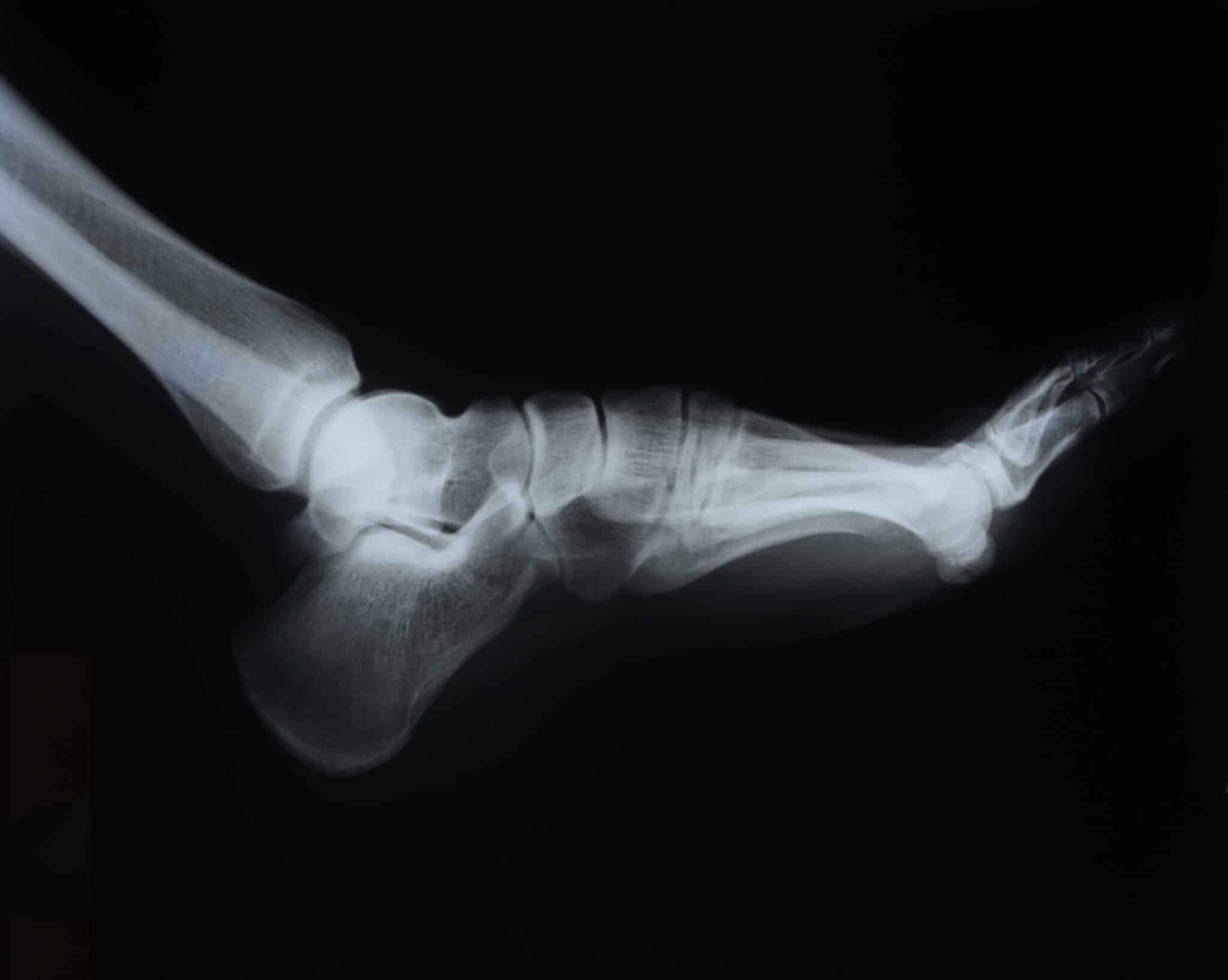
The foot is a complex structure comprising 26 bones, 33 joints, and more than 100 muscles, tendons, and ligaments. These components work together to support your body weight, provide balance, and allow for a range of movements. The major bones in the foot include:
Phalanges: The bones in your toes.
Metatarsals: The five long bones in the middle of the foot.
Tarsals: A group of seven bones, including the calcaneus (heel bone) and talus that form the back part of the foot.
Arch: Formed by the metatarsal and tarsal bones, supported by ligaments and tendons.
Common Conditions Causing Foot Pain
Morton's Neuroma
Morton's neuroma is a thickening of the tissue around a nerve leading to the toes.
Symptoms: Sharp, burning pain in the ball of the foot, often between the third and fourth toes. Tingling or numbness in the toes may also occur.
Causes: Repetitive stress, high heels, tight shoes, and abnormal foot mechanics.
Treatment: Rest, ice, shoe modifications, orthotics, corticosteroid injections, and in severe cases, surgery.
Pain on Top of the Foot
If the top of your foot hurts, this pain can result from various issues, including stress fractures and extensor tendinitis.
Symptoms: Pain and swelling on the top of the foot, difficulty walking or wearing shoes.
Causes: Overuse, improper footwear, injuries, and inflammation.
Treatment: Rest, ice, elevation, proper footwear, and anti-inflammatory medications.
Gout in Foot
Gout is a form of arthritis that is caused by the buildup of uric acid crystals in the joints, and for some, it can cause significant foot pain.
Symptoms: Sudden, intense pain, redness, and swelling in the affected joint, often the big toe.
Causes: High levels of uric acid in the blood, diet, genetics, and certain medical conditions.
Treatment: Medications to reduce uric acid levels, anti-inflammatory drugs, dietary changes, and increased fluid intake.
Bone Spurs in Foot
These are bony growths that develop on the bones of the foot, often where bones meet.
Symptoms: Pain, inflammation, and difficulty walking, particularly when spurs press on nerves or other tissues.
Causes: Overuse, arthritis, and improper footwear.
Treatment: Proper footwear, orthotics, anti-inflammatory medications, and, if necessary, surgery.
Flat Feet Problems
Flat feet, or fallen arches, occur when the arches of the feet collapse, leading to the entire foot touching the ground.
Symptoms: Pain and fatigue in the feet and lower legs, particularly after prolonged standing or activity.
Causes: Genetic predisposition, injury, aging, and conditions such as arthritis.
Treatment: Supportive shoes, orthotics, stretching exercises, and physical therapy.
Corn in Toe of Foot
Corns are thickened skin areas caused by pressure or friction and can cause foot pain.
Symptoms: Hardened, raised bumps surrounded by inflamed skin, often painful.
Causes: Ill-fitting shoes, abnormal gait, or other foot deformities.
Treatment: Comfortable footwear, protective pads, moisturizing lotions, and, if needed, trimming by a healthcare professional.
Metatarsalgia
This condition causes pain and inflammation in the ball of the foot.
Symptoms: Sharp, aching, or burning pain in the ball of the foot, worsened by standing, running, or walking.
Causes: High-impact activities, ill-fitting shoes, excess weight, and foot deformities.
Treatment: Rest, ice, proper footwear, orthotics, and, in some cases, physical therapy.
Burning Pain in Arch of Foot
Burning pain in the arch of the foot is often linked to nerve issues or overuse injuries.
Symptoms: Burning sensation in the arch, which can worsen with activity.
Causes: Nerve entrapment, plantar fasciitis, overuse, and improper footwear.
Treatment: Rest, ice, orthotics, proper footwear, and physical therapy.
Tendonitis Foot
Inflammation of the tendons in the foot, commonly affecting the Achilles tendon.
Symptoms: Pain, swelling, and stiffness in the affected tendon, worsened by activity.
Causes: Overuse, improper footwear, sudden increase in activity, and foot deformities.
Treatment: Rest, ice, anti-inflammatory medications, physical therapy, and in severe cases, surgery.
Plantar Fasciitis and the Types of Foot Pain it Can Cause
Inflammation of the plantar fascia, a thick band of tissue running across the bottom of the foot. There are many different types of foot pain that can be caused by this condition.
Symptoms: Stabbing heel pain, particularly noticeable in the morning or after long periods of rest.
Causes: Overuse, flat feet, high arches, obesity, and improper footwear.
Treatment: Stretching exercises, physical therapy, orthotics, night splints, anti-inflammatory medications, and corticosteroid injections.
Here are some additional areas of foot pain that may be caused by Plantar Fasciitis:
Heel Pain
If your heel hurts, this pain can stem from various conditions, with plantar fasciitis being the most common.
Symptoms: Pain in the heel, especially when first standing up in the morning.
Causes: Plantar fasciitis, Achilles tendinitis, heel spurs, and stress fractures.
Treatment: Similar to plantar fasciitis treatments, depending on the specific cause.
Bottom of Feet Hurting
Pain in the bottom of the feet can be due to various factors, including plantar fasciitis.
Symptoms: Pain in the arch or ball of the foot, especially after prolonged standing or activity.
Causes: Overuse, improper footwear, high-impact activities, and foot deformities.
Treatment: Rest, ice, proper footwear, orthotics, and stretching exercises.
Painful Soles of Feet
Painful soles of the feet can result from various conditions, including plantar fasciitis and nerve problems.
Symptoms: Pain and discomfort in the soles, often worsened by walking or standing.
Causes: Overuse, improper footwear, high-impact activities, and medical conditions like diabetes.
Treatment: Rest, ice, proper footwear, orthotics, and addressing underlying medical issues.
OrthoNJ has six divisions with over 30 orthopaedic offices in north Jersey, central Jersey, and southern Jersey.
Foot pain can be debilitating, but it doesn’t have to control your life. If you are experiencing any of these symptoms or conditions, it's time to take action. Consult with an ONJ foot specialist to receive a thorough diagnosis and personalized treatment plan. Don’t let foot pain keep you from enjoying your life. Schedule an appointment with us today and step towards a pain-free future!
The cf_use_ob cookie informs Cloudflare to fetch the requested resource from the Always Online cache on the designated port. Applicable values are: 0, 80, and 443. The cf_ob_info and cf_use_ob cookies are persistent cookies that expire after 30 seconds.
session
__cfwaitingroom
The __cfwaitingroom cookie is only used to track visitors that access a waiting room enabled host and path combination for a zone. Visitors using a browser that does not accept cookies cannot visit the host and path combination while the waiting room is active.
session
cf_chl_rc_i
These cookies are for internal use which allows Cloudflare to identify production issues on clients.
session
cf_chl_rc_ni
These cookies are for internal use which allows Cloudflare to identify production issues on clients.
session
cf_chl_rc_m
These cookies are for internal use which allows Cloudflare to identify production issues on clients.
session
__cfruid
Used by the content network, Cloudflare, to identify trusted web traffic.
session
__cf_bm
Cloudflare's bot products identify and mitigate automated traffic to protect your site from bad bots. Cloudflare places the __cf_bm cookie on End User devices that access Customer sites that are protected by Bot Management or Bot Fight Mode. The __cf_bm cookie is necessary for the proper functioning of these bot solutions.
session
__cflb
When enabling session affinity with Cloudflare Load Balancer, Cloudflare sets a __cflb cookie with a unique value on the first response to the requesting client. Cloudflare routes future requests to the same origin, optimizing network resource usage. In the event of a failover, Cloudflare sets a new __cflb cookie to direct future requests to the failover pool.
session
_cfuvid
The _cfuvid cookie is only set when a site uses this option in a Rate Limiting Rule, and is only used to allow the Cloudflare WAF to distinguish individual users who share the same IP address.
session
cf_clearance
Whether a CAPTCHA or Javascript challenge has been solved.
session
__cfseq
Sequence rules uses cookies to track the order of requests a user has made and the time between requests and makes them available via Cloudflare Rules. This allows you to write rules that match valid or invalid sequences. The specific cookies used to validate sequences are called sequence cookies.
session
cf_ob_info
The cf_ob_info cookie provides information on: The HTTP Status Code returned by the origin web server. The Ray ID of the original failed request. The data center serving the traffic
session
These cookies are needed for adding comments on this website.
Name
Description
Duration
comment_author
Used to track the user across multiple sessions.
Session
comment_author_email
Used to track the user across multiple sessions.
Session
comment_author_url
Used to track the user across multiple sessions.
Session
Google Tag Manager simplifies the management of marketing tags on your website without code changes.
Name
Description
Duration
cookiePreferences
Registers cookie preferences of a user
2 years
td
Registers statistical data on users' behaviour on the website. Used for internal analytics by the website operator.
session
Statistics cookies collect information anonymously. This information helps us understand how visitors use our website.
Google Analytics is a powerful tool that tracks and analyzes website traffic for informed marketing decisions.
Contains information related to marketing campaigns of the user. These are shared with Google AdWords / Google Ads when the Google Ads and Google Analytics accounts are linked together.
90 days
__utma
ID used to identify users and sessions
2 years after last activity
__utmt
Used to monitor number of Google Analytics server requests
10 minutes
__utmb
Used to distinguish new sessions and visits. This cookie is set when the GA.js javascript library is loaded and there is no existing __utmb cookie. The cookie is updated every time data is sent to the Google Analytics server.
30 minutes after last activity
__utmc
Used only with old Urchin versions of Google Analytics and not with GA.js. Was used to distinguish between new sessions and visits at the end of a session.
End of session (browser)
__utmz
Contains information about the traffic source or campaign that directed user to the website. The cookie is set when the GA.js javascript is loaded and updated when data is sent to the Google Anaytics server
6 months after last activity
__utmv
Contains custom information set by the web developer via the _setCustomVar method in Google Analytics. This cookie is updated every time new data is sent to the Google Analytics server.
2 years after last activity
__utmx
Used to determine whether a user is included in an A / B or Multivariate test.
18 months
_ga
ID used to identify users
2 years
_gali
Used by Google Analytics to determine which links on a page are being clicked
30 seconds
_ga_
ID used to identify users
2 years
_gid
ID used to identify users for 24 hours after last activity
24 hours
_gat
Used to monitor number of Google Analytics server requests when using Google Tag Manager