Imagine a brisk winter morning when you reach for a dish on the top shelf of your kitchen cabinet. As you stretch, you feel a sharp, unexpected pain in your back. Days later, a trip to the doctor confirms that you have suffered a spinal compression fracture—a painful consequence of osteoporosis. You may never have thought your bones could be so fragile, but now you need to understand this condition and regain control of your health.
What is Osteoporosis?
Osteoporosis is a condition that weakens bones, making them brittle and more susceptible to fractures. The process of bone renewal—where new bone tissue replaces old tissue—slows with age. When the creation of new bone cannot keep pace with bone loss, osteoporosis develops with even minor stresses like bending or coughing, potentially leading to breaks.
Symptoms of Osteoporosis
In its early stages, osteoporosis is often silent, showing no clear symptoms. However, here are some common general symptoms of osteoporosis to pay attention to:
Loss of Height
Gradual height loss over time can indicate spinal compression fractures caused by weakened vertebrae.
Stooped Posture (Kyphosis)
A hunched back or slouched appearance due to small fractures in the spine.
Back Pain
Persistent or sudden-onset back pain can result from micro-fractures or compression fractures in the vertebrae.
Fractures from Minimal Trauma
Fractures occur easily, such as from a minor fall, bump, or even sneezing or coughing in severe cases. Common sites include the hip, wrist, and spine.
Bone Weakness
Although not always felt directly, some people report a sensation of fragility or weakness in their bones.
Reduced Grip Strength
This may be an early sign of declining bone density.
Risk Factors for Osteoporosis
These symptoms often go unnoticed until a fracture occurs. However, you should monitor for osteoporosis if you have risk factors such as:
If you are age 50 or older.
A family history of osteoporosis or fractures.
Early menopause or low estrogen levels.
A sedentary lifestyle.
Low calcium or vitamin D intake.
Smoking or heavy alcohol use.
Use of medications like corticosteroids for extended periods.
If you suspect osteoporosis or are at risk, consult a healthcare provider for a bone mineral density (BMD) test, such as a DEXA scan, which is the most reliable diagnostic tool for detecting bone loss. Early detection allows for effective management and prevention of complications.
Why Choose an OrthoNJ Doctor for Your Osteoporosis Care?
OrthoNJ is different from your typical medical provider. Unlike many in the industry, we prioritize patient care over profits. Our six divisions work collaboratively to ensure the best outcomes for our patients. We believe in the "Power to Put Patients First," our doctors and divisional partners strive to uphold this commitment to our patients in every aspect of our medical care.
With over 120 fantastic physicians, all board-certified, board-qualified, or fellowship-trained, OrthoNJ offers top-tier expertise across a wide range of specialties.
We serve over 250 communities throughout New Jersey, providing treatment and continuing care for various orthopedic needs.
With more than 30 statewide offices, our reach extends across the entire state. Whether in North Jersey, South Jersey, or anywhere between, OrthoNJ proudly serves you.
Osteoporosis and Common Fracture Sites
Since osteoporosis is a condition that weakens bones, making them brittle, they are more prone to fractures, even with minor stress or trauma. This is often due to a loss of bone density and quality, typically occurring as part of aging or because of other risk factors like hormonal changes, lack of calcium, or sedentary lifestyles. Common fracture sites include the hip, wrist, and spine.
Here's an overview of each:
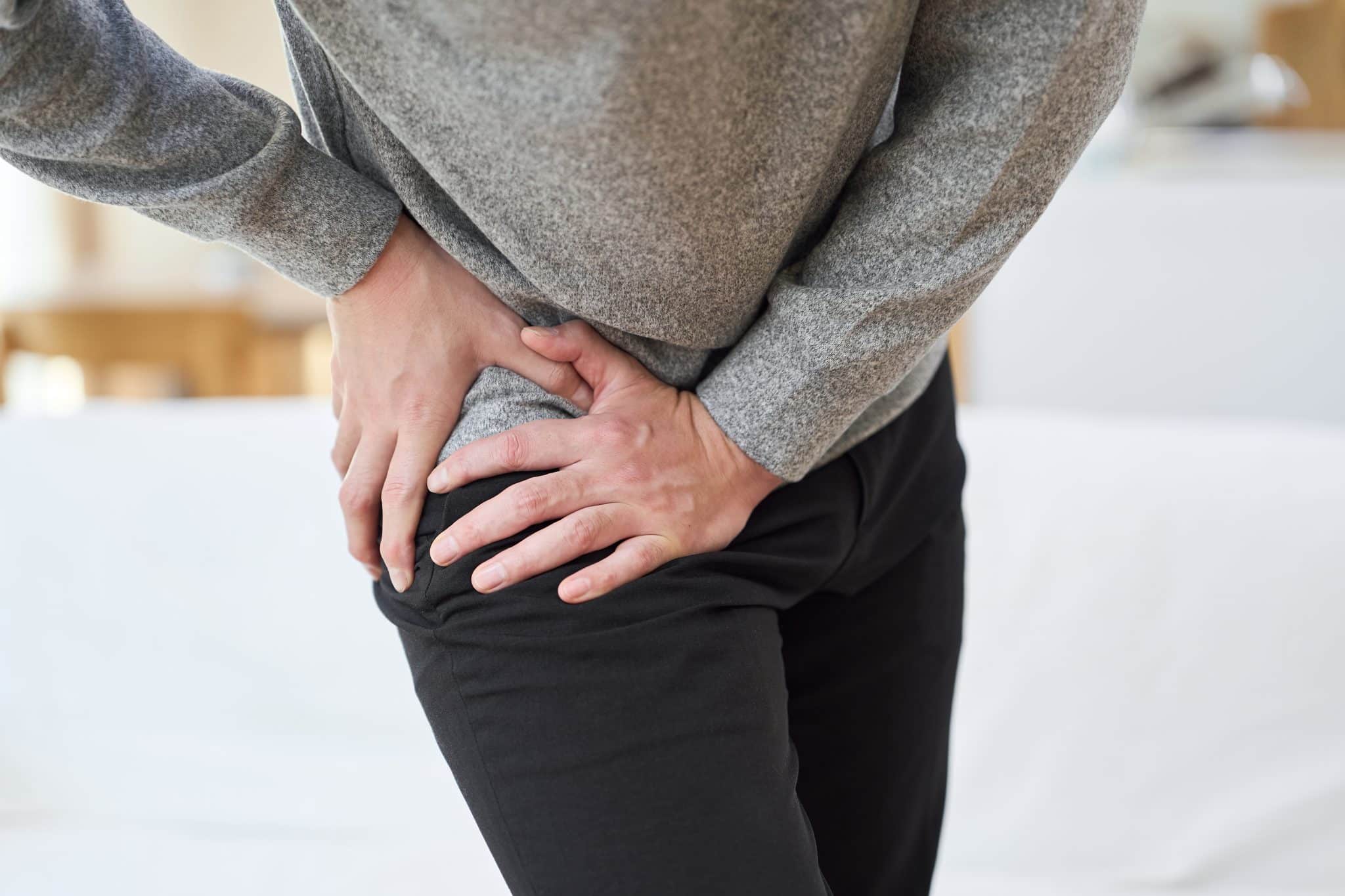
1. Osteoporosis Hip Fractures
What it may feel like:
Sudden and severe pain in your hip or groin area.
An inability to bear weight on your affected leg.
The leg on your affected side may appear shorter and turned outward.
What can trigger a hip fracture:
A simple fall, particularly in elderly individuals with low bone density.
Direct trauma to the hip from accidents or minor collisions.
Overuse or stress in athletes or individuals engaging in repetitive high-impact activities.
Primary care opinion:
Immediate medical attention is crucial. Surgery is often required to repair or replace the hip joint.
Post-surgery rehabilitation, including physical therapy, helps regain mobility and strength.
Preventative measures include weight-bearing exercises, adequate calcium and vitamin D intake, and fall prevention strategies at home.
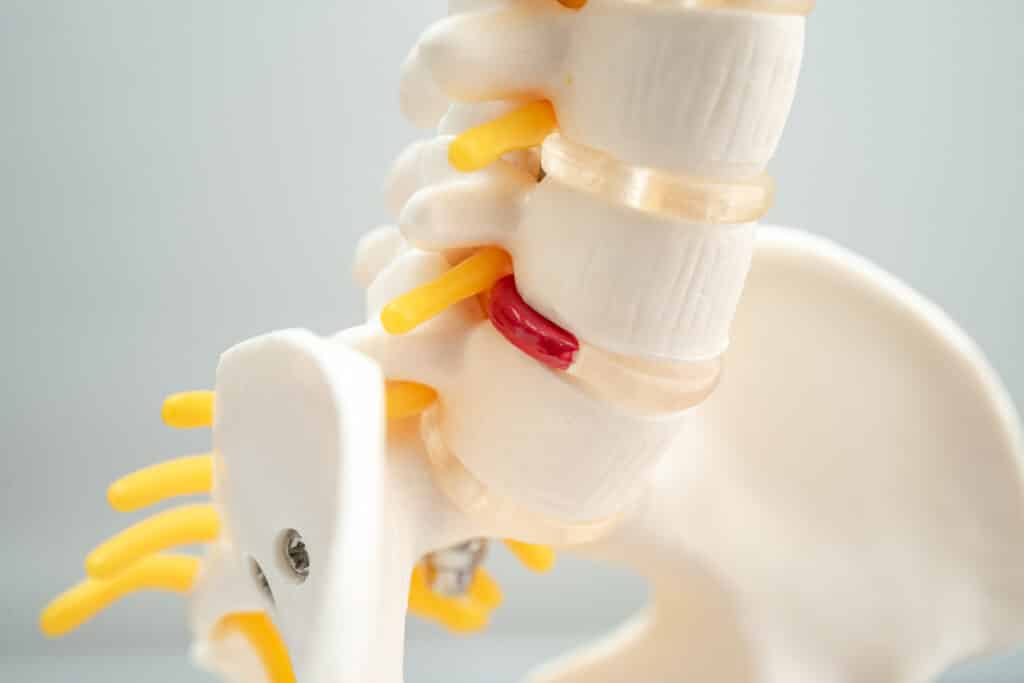
Sudden onset of sharp back pain, often in the mid or lower spine.
Height loss over time due to collapsing vertebrae.
Kyphosis, a forward-curved spine, causing a hunched posture.
What can trigger a spinal fracture:
Even minor activities like bending or lifting objects, particularly in individuals with severe bone thinning.
Chronic stress on the spine over time due to poor posture or high-impact activities.
Falls or accidents that apply pressure to the vertebrae.
Primary care opinion:
Conservative treatment includes pain management, bracing, and rest.
In some cases, procedures like vertebroplasty or kyphoplasty can stabilize the fracture.
Long-term management focuses on improving bone density with medications, supplements, and exercise to strengthen the back muscles and prevent future fractures.
General Preventative Tips for Osteoporosis:
Maintain a balanced diet that is rich in calcium and vitamin D, as both are important for bone health.
Exercise regularly with weight-bearing and strength-training exercises.
Avoid smoking and excessive alcohol consumption.
Consider bone density testing if you're at risk, and discuss preventative treatments like bisphosphonates with your primary care provider.
Recognizing these fracture risks early and adopting preventative strategies can significantly improve your quality of life and reduce the impact of osteoporosis.
Several factors contribute to the development of osteoporosis:
Bone Mass Decline: Did you know that your bone mass peaks in your 20s? After that, it gradually decreases. The greater your peak bone mass, the lower your risk of osteoporosis.
Genetics: Your family history plays a significant role in whether or not you will have osteoporosis, particularly if a parent has experienced a hip fracture.
Hormonal Changes: Our hormones change over time as we age. The declining estrogen in women after menopause can accelerate bone loss, as can reduced testosterone in men.
Dietary Deficiencies: If you are deficient in calcium or vitamin D it can weaken your bones.
Lifestyle Choices: If you are smoking, consume excessive alcohol and lead a sedentary lifestyle, you may want to consider making changes. These are all key contributors to developing osteoporosis.
Medical Conditions and Medications: Disorders such as rheumatoid arthritis or long-term corticosteroid use can also increase your risk for osteoporosis.
Managing Your Osteoporosis
If you've been diagnosed with osteoporosis, making lifestyle adjustments is essential. Here are a few things you can focus on at home:
Calcium-Rich Diet: Incorporate dairy products, leafy greens, fortified cereals, and fish with bones.
Vitamin D Supplementation: Sun exposure, fortified foods, and supplements can ensure adequate vitamin D levels.
Weight-Bearing Exercise: Activities like walking, dancing, or weight training help strengthen bones and improve balance, reducing fall risks.
Fall Prevention: Clear clutter, use non-slip mats, and ensure adequate lighting at home.
Risk factors such as early menopause, prolonged corticosteroid use, or a family history of osteoporosis.
Specialists for Osteoporosis
Multiple specialists can diagnose and manage osteoporosis. Your primary care physician can provide an initial assessment and guidance and may refer you to an endocrinologist, rheumatologist, or orthopedic surgeon. Endocrinologists specialize in hormonal imbalances, rheumatologists focus on autoimmune-related osteoporosis, and orthopaedic surgeons focus on fracture management or surgical intervention.
Advanced Treatment Options
When lifestyle changes and home remedies are not enough, medical treatments may be necessary. Seeking care from one of ONJ's rheumatologists or orthopaedic surgeons will help to provide you with personalized care and a treatment plan tailored to your specific needs.
Medications: Bisphosphonates, selective estrogen receptor modulators (SERMs), and monoclonal antibodies like denosumab help slow bone loss.
Hormone Therapy: Estrogen replacement therapy can be effective for postmenopausal women.
Anabolic Agents: Drugs like teriparatide stimulate new bone growth.
Surgical Options: For severe fractures, procedures like vertebroplasty or hip replacement may be needed.
Living With Osteoporosis
If you're living with osteoporosis, a proactive approach can make all the difference. With proper medical care, lifestyle adjustments, and support, you can manage osteoporosis effectively, reduce the risk of fractures, and maintain a fulfilling, active life. Contact us today.
The cf_use_ob cookie informs Cloudflare to fetch the requested resource from the Always Online cache on the designated port. Applicable values are: 0, 80, and 443. The cf_ob_info and cf_use_ob cookies are persistent cookies that expire after 30 seconds.
session
__cfwaitingroom
The __cfwaitingroom cookie is only used to track visitors that access a waiting room enabled host and path combination for a zone. Visitors using a browser that does not accept cookies cannot visit the host and path combination while the waiting room is active.
session
cf_chl_rc_i
These cookies are for internal use which allows Cloudflare to identify production issues on clients.
session
cf_chl_rc_ni
These cookies are for internal use which allows Cloudflare to identify production issues on clients.
session
cf_chl_rc_m
These cookies are for internal use which allows Cloudflare to identify production issues on clients.
session
__cfruid
Used by the content network, Cloudflare, to identify trusted web traffic.
session
__cf_bm
Cloudflare's bot products identify and mitigate automated traffic to protect your site from bad bots. Cloudflare places the __cf_bm cookie on End User devices that access Customer sites that are protected by Bot Management or Bot Fight Mode. The __cf_bm cookie is necessary for the proper functioning of these bot solutions.
session
__cflb
When enabling session affinity with Cloudflare Load Balancer, Cloudflare sets a __cflb cookie with a unique value on the first response to the requesting client. Cloudflare routes future requests to the same origin, optimizing network resource usage. In the event of a failover, Cloudflare sets a new __cflb cookie to direct future requests to the failover pool.
session
_cfuvid
The _cfuvid cookie is only set when a site uses this option in a Rate Limiting Rule, and is only used to allow the Cloudflare WAF to distinguish individual users who share the same IP address.
session
cf_clearance
Whether a CAPTCHA or Javascript challenge has been solved.
session
__cfseq
Sequence rules uses cookies to track the order of requests a user has made and the time between requests and makes them available via Cloudflare Rules. This allows you to write rules that match valid or invalid sequences. The specific cookies used to validate sequences are called sequence cookies.
session
cf_ob_info
The cf_ob_info cookie provides information on: The HTTP Status Code returned by the origin web server. The Ray ID of the original failed request. The data center serving the traffic
session
These cookies are needed for adding comments on this website.
Name
Description
Duration
comment_author
Used to track the user across multiple sessions.
Session
comment_author_email
Used to track the user across multiple sessions.
Session
comment_author_url
Used to track the user across multiple sessions.
Session
Google Tag Manager simplifies the management of marketing tags on your website without code changes.
Name
Description
Duration
cookiePreferences
Registers cookie preferences of a user
2 years
td
Registers statistical data on users' behaviour on the website. Used for internal analytics by the website operator.
session
Statistics cookies collect information anonymously. This information helps us understand how visitors use our website.
Google Analytics is a powerful tool that tracks and analyzes website traffic for informed marketing decisions.
Contains information related to marketing campaigns of the user. These are shared with Google AdWords / Google Ads when the Google Ads and Google Analytics accounts are linked together.
90 days
__utma
ID used to identify users and sessions
2 years after last activity
__utmt
Used to monitor number of Google Analytics server requests
10 minutes
__utmb
Used to distinguish new sessions and visits. This cookie is set when the GA.js javascript library is loaded and there is no existing __utmb cookie. The cookie is updated every time data is sent to the Google Analytics server.
30 minutes after last activity
__utmc
Used only with old Urchin versions of Google Analytics and not with GA.js. Was used to distinguish between new sessions and visits at the end of a session.
End of session (browser)
__utmz
Contains information about the traffic source or campaign that directed user to the website. The cookie is set when the GA.js javascript is loaded and updated when data is sent to the Google Anaytics server
6 months after last activity
__utmv
Contains custom information set by the web developer via the _setCustomVar method in Google Analytics. This cookie is updated every time new data is sent to the Google Analytics server.
2 years after last activity
__utmx
Used to determine whether a user is included in an A / B or Multivariate test.
18 months
_ga
ID used to identify users
2 years
_gali
Used by Google Analytics to determine which links on a page are being clicked
30 seconds
_ga_
ID used to identify users
2 years
_gid
ID used to identify users for 24 hours after last activity
24 hours
_gat
Used to monitor number of Google Analytics server requests when using Google Tag Manager