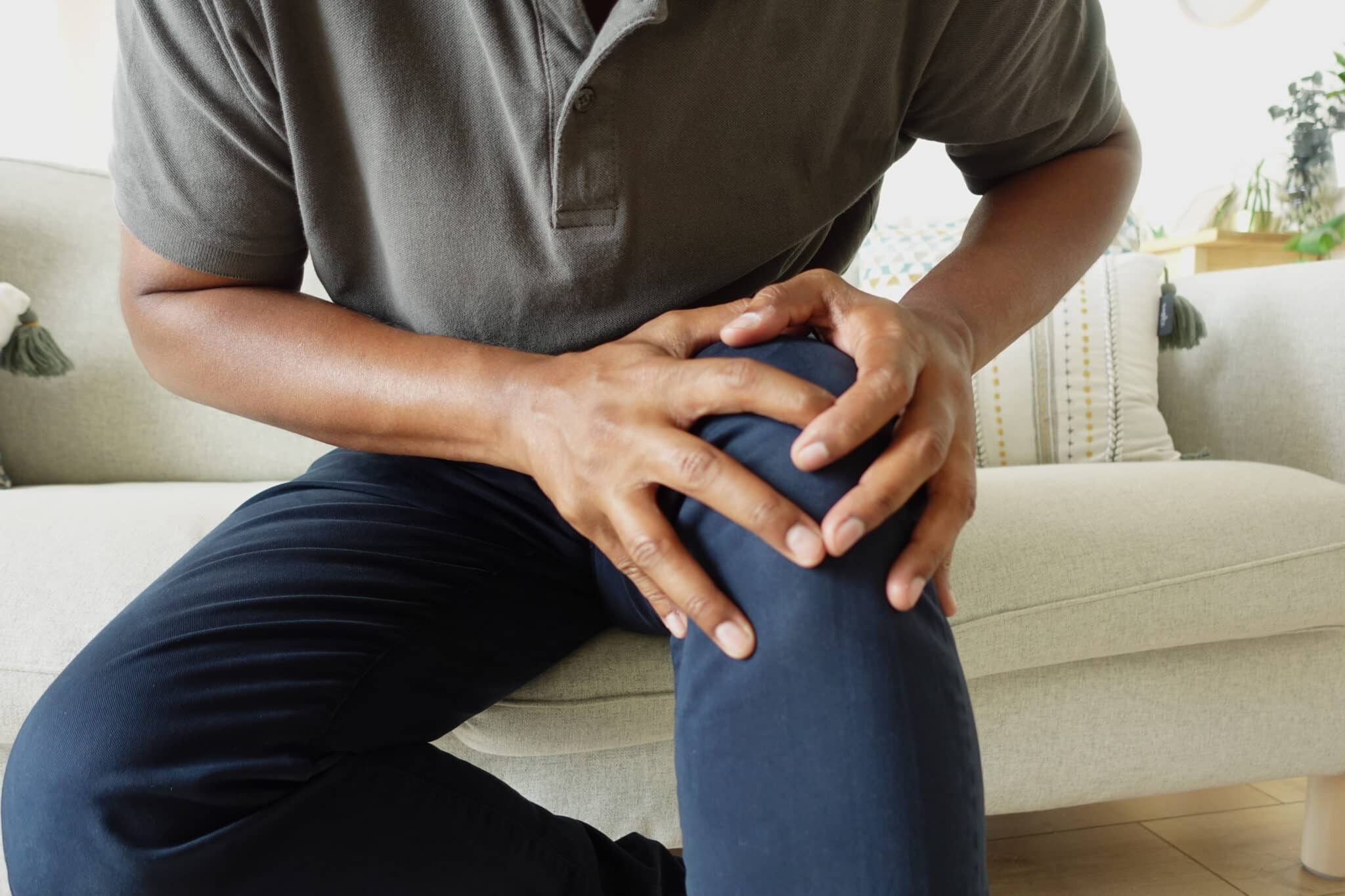
You feel it going down the stairs, not up. Or you stand after a long drive and the front of your knee objects to the last forty minutes of sitting. Nothing swelled, nothing popped, and you can still get through the day, so you shrug and keep going.
Pain around the kneecap, the thing most people call runner's knee, responds best when you tackle it in a sensible order. Separate it from the problems that copy it. Check whether a young athlete's knee pain actually belongs to the hip. Then adjust training load first, aim the strength work where it counts, pick gear carefully, and rebuild running on a schedule instead of a hunch.
First, a plain definition. Runner's knee is a description, not a diagnosis. Clinicians usually call it patellofemoral pain, meaning pain around or behind the kneecap, where it meets the thigh bone. Running is one common route in. Plenty of people who never run get it too. The same nickname gets used loosely for iliotibial band syndrome, which causes pain on the outer side of the knee. Kneecap pain sits at the front, around or behind the patella, and it calls for a different plan.
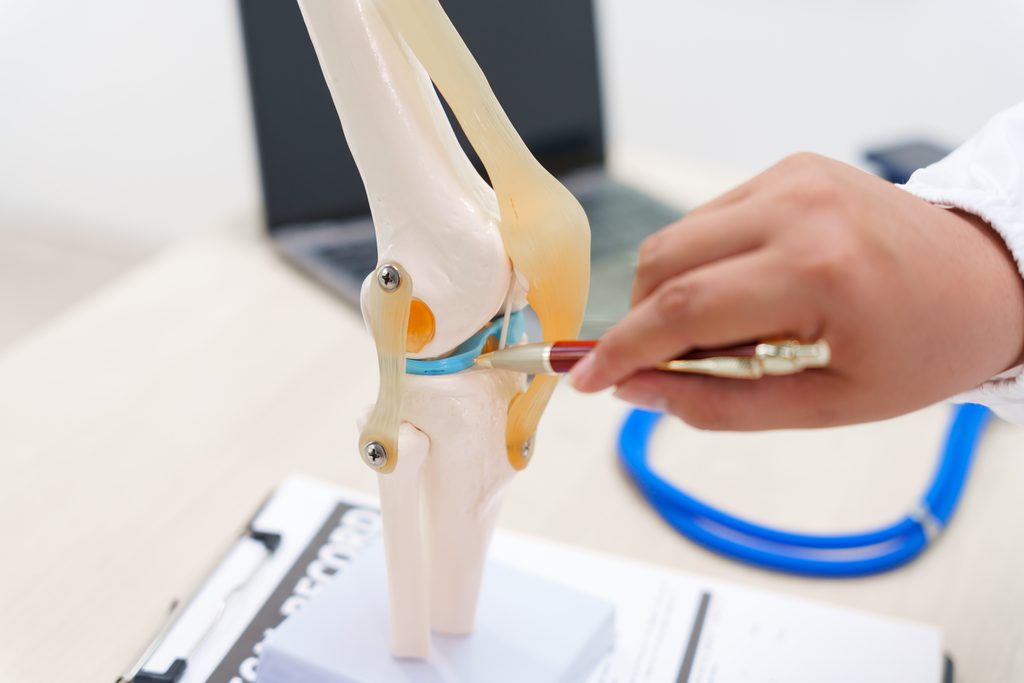
Your kneecap glides in a groove at the end of the thigh bone every time you bend and straighten. Bend the knee under load and the pressure through that joint climbs. When the loading outpaces what the joint and the muscles around it are currently prepared for, the tissue gets irritated. That is the short version of runner's knee.
It lands most often on adolescents and young adults, on runners, and on athletes in sports built around jumping and cutting. A sudden bump in weekly volume, hill work or intensity is a frequent trigger. Surveys also report it more often in females than in males.
Before you buy anything or change your shoes, spend a few days paying attention. The pattern tells us more than the intensity does.
Patellofemoral pain is usually vague and hard to point to with one finger. Ask where it hurts and many people end up circling the whole kneecap with a hand. The pattern helps more than the exact spot anyway, and these are the situations that bring it out most often:
Takeaway: write down the two or three activities that reliably set it off. Those become the measuring stick for whether treatment is working.
The front of the knee is crowded. Within a couple of inches you have the kneecap joint, the patellar tendon, a cushion of fat tucked behind the tendon, and folds of joint lining. Any of them can hurt, and the treatments are not interchangeable.
The fat pad is a good example, because it behaves almost backwards from classic runner's knee. Pain sits just below the kneecap, either side of the tendon. It tends to bite with long periods of standing, with positions that push the knee back past straight, with kneeling, and with high-heeled shoes. Straightening hurts, rather than bending. That single detail can change the whole plan.
Here's how the common patterns usually sort out:
Takeaway: if your pain does not match the stairs and sitting pattern, treat that as useful information and get the knee examined rather than guessing.
This is the check most often skipped, and it is the one with the highest stakes.
In children and teenagers, a hip problem can announce itself as thigh or knee pain, with a knee that looks normal on exam. One condition in particular, a slipped capital femoral epiphysis, which is a slip of the growth plate at the top of the thigh bone, classically shows up in a preteen or teen, often an overweight one, with a limp, a foot that turns outward, and pain reported at the knee, groin or thigh rather than the hip.
If that is even a possibility, the child should stop putting weight on that leg and be evaluated the same day, with X-rays of the pelvis taken from the front and in a frog-leg side view. It is often caught late, and delayed diagnosis is linked with worse outcomes, so it gets checked right away rather than watched.
Growing athletes also get tenderness right on the bony bump below the kneecap, where the tendon attaches to a growth area of the shin. That one is common in the middle school years and behaves differently from kneecap pain.
Get a young athlete seen promptly if there is a limp, pain in the groin or thigh along with the knee, pain that wakes them at night, or a knee that hurts without any trigger from sport or activity.
Takeaway: a child or teen with knee pain deserves a hip exam, not just a knee exam.
Most flare-ups trace back to a jump in how much, how hard, or how hilly. Complete rest is rarely the answer. The knee loses capacity while you wait, and the same training that irritated it is still there when you come back.
Aim for the lowest level of aggravation that still keeps you moving. Keep enough activity in the week that your legs hold on to their fitness, and cut the specific sessions that leave the knee sore the next morning. A handful of adjustments covers most of it:
Takeaway: the knee is not fragile. It is just being asked for more than it can currently give, and the first fix is the size of the ask.
For years, rehab for kneecap pain lived entirely at the knee. Quad sets, leg extensions, repeat. Current guidance points somewhere broader, because how the hip controls the thigh changes how the kneecap is loaded when you land, climb and descend.
Programs that combine hip-focused work with knee-focused work carry the strongest overall recommendation for pain and function. Some randomized trials have found hip-focused and quadriceps-focused programs end up with fairly similar results, so this is not a case of one being useless. Hip work is often easier to tolerate in the early weeks, since it puts less pressure through the kneecap joint. The muscles that get the attention are the ones controlling the thigh from the side and from behind: the abductors, the external rotators, and the extensors. This is not a week-long project. Expect a few sessions a week over at least six weeks before you judge it.
One honest caveat. Weak hips are commonly found in people with this pain, but the weakness may be partly a result of the pain rather than the original cause. Training them still helps. It just means nobody should tell you that one muscle is the whole story.
A physical therapist typically starts with movements you can do without provoking symptoms, then progresses toward single leg work, step downs and impact drills that resemble what you actually want to get back to.
Takeaway: if your home program only involves the knee, it is probably incomplete.
This is where the pharmacy shelf and the evidence part ways. Plenty of products promise to hold the kneecap in place, and most of them have not held up well when tested. A few earn a spot as a short-term helper while the strength work does the real job. The rest are optional comfort at best:
Takeaway: gear can buy comfort while you do the work. Nothing on that list replaces the work.
The most common way people lose their progress is going straight back to the old route at the old pace on the first good day. A graded return protects what you rebuilt. Every plan is individual, and yours may look different, but the shape is usually something like this:
These are general patterns, not guarantees. Some people move through in a few weeks. Others, especially those who have had the pain for months, take considerably longer. This condition can be stubborn, and it is worth saying so plainly. A meaningful share of people still report symptoms months or even years down the road, and that seems more likely when the pain was around for a long stretch before treatment started.
Takeaway: progress by next day response. Pain that climbs during a run and lingers into tomorrow means the last step was too big.
Patellofemoral pain has a habit of coming back, and the usual reason is simple. Symptoms settle, the exercises quietly disappear from the week, mileage climbs, and the knee ends up where it was last spring. A small amount of upkeep prevents most of that:
Takeaway: the maintenance dose is small compared with the rehab dose.
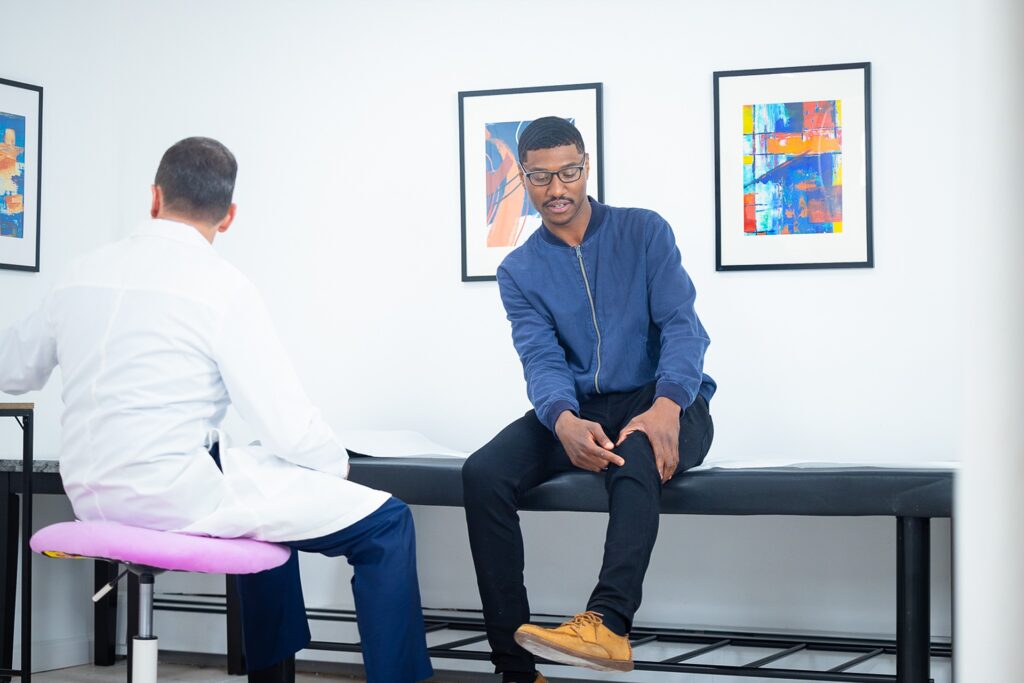
Most of the answer comes from your story and a hands-on exam. We will ask what provokes it, how long it has been going on, and what changed in your activity before it started. We will watch how you move, check the kneecap and the tissues around it, and examine the hip and the foot, since both influence what the knee has to absorb.
Imaging is not automatic. X-rays or other studies get ordered when the history suggests something other than straightforward patellofemoral pain, after a specific injury, when the knee locks or swells, or when a young patient's pain may be coming from the hip.
Non-surgical care handles the large majority of these knees. Surgery is uncommon for patellofemoral pain and is considered only after a well-run rehab program, and usually only when there is a structural problem to address. If the picture is complicated, the most useful next move is an in person exam rather than more reading.
Schedule an exam if kneecap pain has stuck around for several weeks, keeps returning when you resume activity, or is changing how you walk, work out, or get up and down stairs.
Some symptoms should not wait for the next open appointment. If any of the following show up, whether after a fall, a twist, or seemingly out of nowhere, get checked the same day at an urgent care center or emergency department instead of watching it for a week:
Sometimes, at a reduced dose. Running that stays at a low, steady level of discomfort and leaves the knee no worse the next day is often acceptable while you rehab. Pain that grows through the run, changes your stride, or lingers into the following day is a signal to pull back and get it looked at.
Usually not. Patellofemoral pain is generally identified through history and examination, and an MRI cannot confirm it in the first place, so scans mainly serve to rule other things out. That is why they are ordered selectively: when the story does not fit, when there was a distinct injury, or when mechanical symptoms suggest something inside the joint.
No. Sleeves, braces and straps aimed at the kneecap are not recommended as treatment for this condition, though some people find a sleeve comfortable. Tape may take enough edge off early on to let you exercise, which is the part that actually changes things.
Many people notice meaningful improvement within about six to twelve weeks of consistent rehab. Treat that as a common window rather than a finish line, because outcomes vary quite a bit. Follow-up studies show a fair number of people still have some symptoms months to years later, and that risk appears higher when the pain had been present for a long time before treatment began. Your provider can give you a more specific picture after an exam.
If the front of your knee has been complaining for more than a few weeks, or it keeps coming back every time you get your training going again, bring it in. Our team can sort out which structure is irritated, rule out the problems that copy runner's knee, and build you a plan that matches the activity you want back.
This information is for general education and is not a substitute for medical advice. Talk with your OrthoNJ provider about your own symptoms and treatment options.
This treatment info is for informational purposes only. Treatment and recovery vary person to person, and you should consult with your treating physician and team for details on your treatment and recovery process.
Contact one of OrthoNJ's locations spread out through all of New Jersey.