It’s common to feel some soreness after a run, but ongoing or sharp knee pain isn’t something to ignore. This page explains common reasons your knee may hurt after running, what symptoms to watch for, how doctors evaluate the problem, and when it may be time to see an orthopaedic specialist at OrthoNJ.

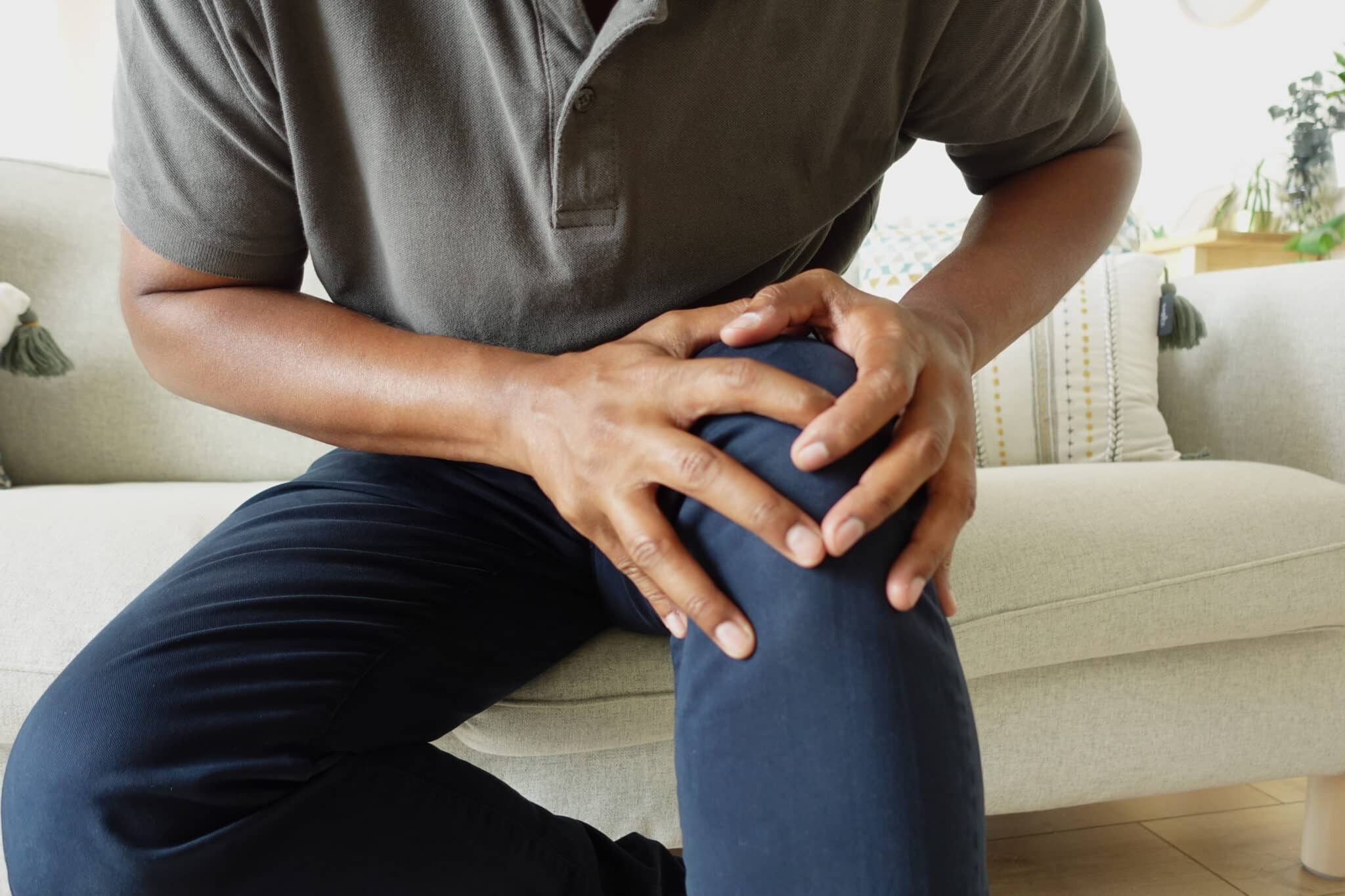
Running places repeated stress on the knees. In many cases, pain develops because of training errors, muscle weakness, changes in running form, or irritation in the tissues around the joint. Sometimes, though, knee pain can point to a more specific injury that needs medical attention.
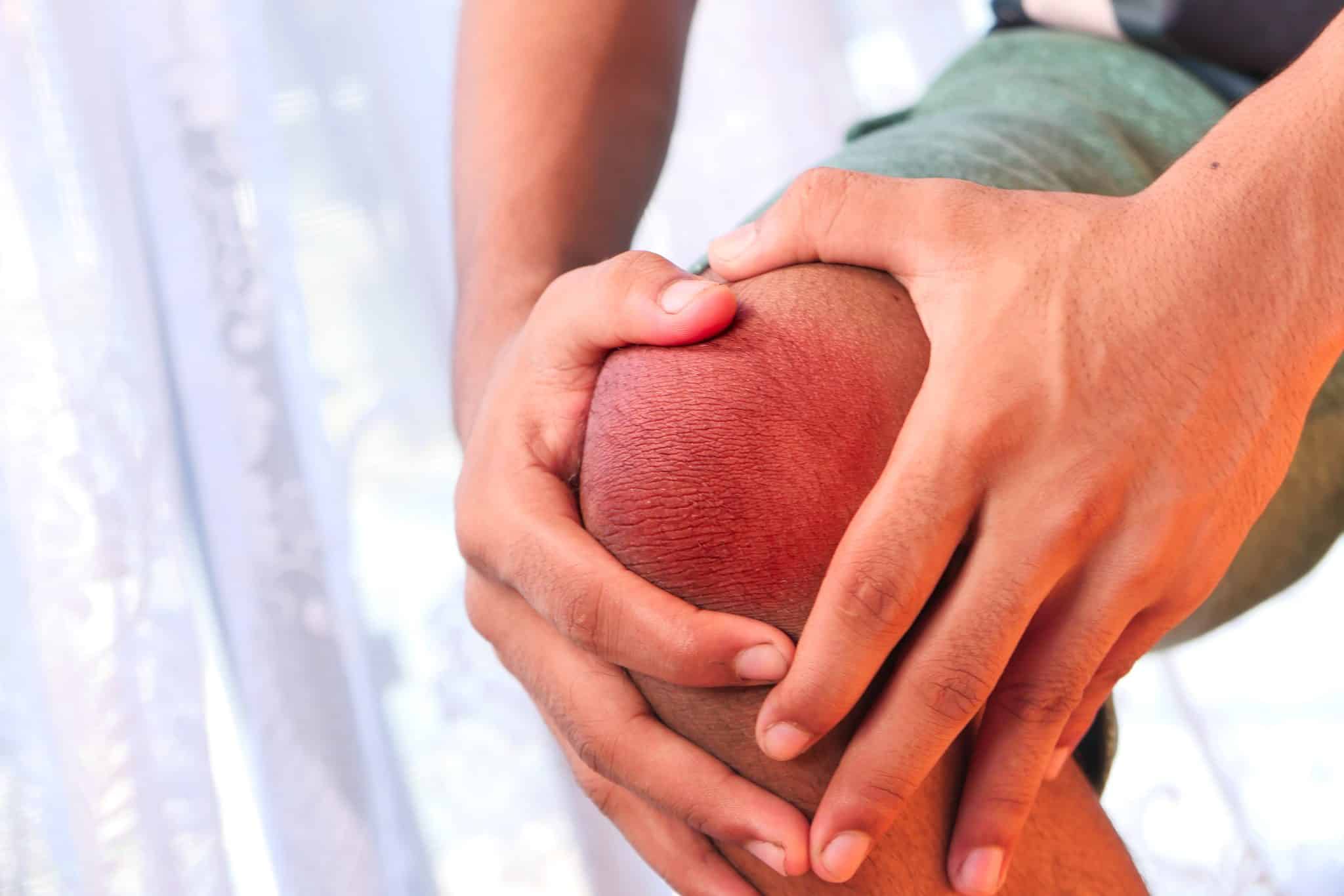
The knee is a complex joint made up of bones, cartilage, ligaments, tendons, and surrounding soft tissue. Pain after running can come from any of these structures, and the exact cause often depends on where the pain is felt and what activities make it worse.
Some runners notice discomfort only after longer distances. Others feel pain at the start of a run that either improves as they warm up or gets worse the longer they go. That pattern can offer clues, but it doesn’t give a diagnosis by itself. Some meniscus tears, cartilage injuries, or early arthritis may cause only mild or intermittent symptoms at first, so persistent or recurring pain still deserves evaluation.
The location of the pain matters. Pain in the front of the knee often points to kneecap-related problems. Pain on the outside of the knee may suggest IT band irritation. Swelling, locking, or catching can raise concern for problems inside the joint, including a meniscus injury.
If your symptoms keep returning, it’s worth getting evaluated. At OrthoNJ, we look at the whole picture, including your training habits, strength, flexibility, and knee function.
| Condition | Common pain location | Typical pattern |
|---|---|---|
| Patellofemoral pain syndrome | Front of the knee or behind the kneecap | Often worse with running, stairs, squatting, or sitting too long |
| Iliotibial band syndrome | Outer side of the knee | Often starts during a run and worsens with continued activity |
| Patellar tendinitis | Just below the kneecap | Pain with running, jumping, or pushing off |
| Meniscus injury | Inner or outer joint line | May include swelling, catching, or pain with twisting |
| Osteoarthritis | Varies by part of the joint involved | Often includes stiffness, swelling, and pain with activity |
These patterns can be helpful, but they don’t replace a proper medical exam. More than one issue can be present at the same time.
Not every runner with knee pain needs imaging or specialist care right away. Still, some symptoms deserve prompt attention because they may suggest a more significant injury. Sudden, severe knee pain after a fall or direct blow, a visible deformity, large or rapid swelling within a few hours of an injury, or an inability to bear weight or take more than a few steps should prompt urgent or emergency evaluation and should not be managed with watch-and-wait home care alone. Fever, redness, warmth, or feeling unwell, along with a very painful or swollen knee, can also suggest infection and should be checked urgently.
Evaluation usually starts with your history. Your doctor will ask where the pain is, when it began, whether your training has changed recently, and which movements make the symptoms better or worse.
The physical exam may include checking alignment, swelling, range of motion, strength, tenderness, and how your kneecap and joint move. In some cases, your doctor may also evaluate your hips, ankles, and walking or running mechanics.
Imaging isn’t always needed right away, but it may help in certain situations:
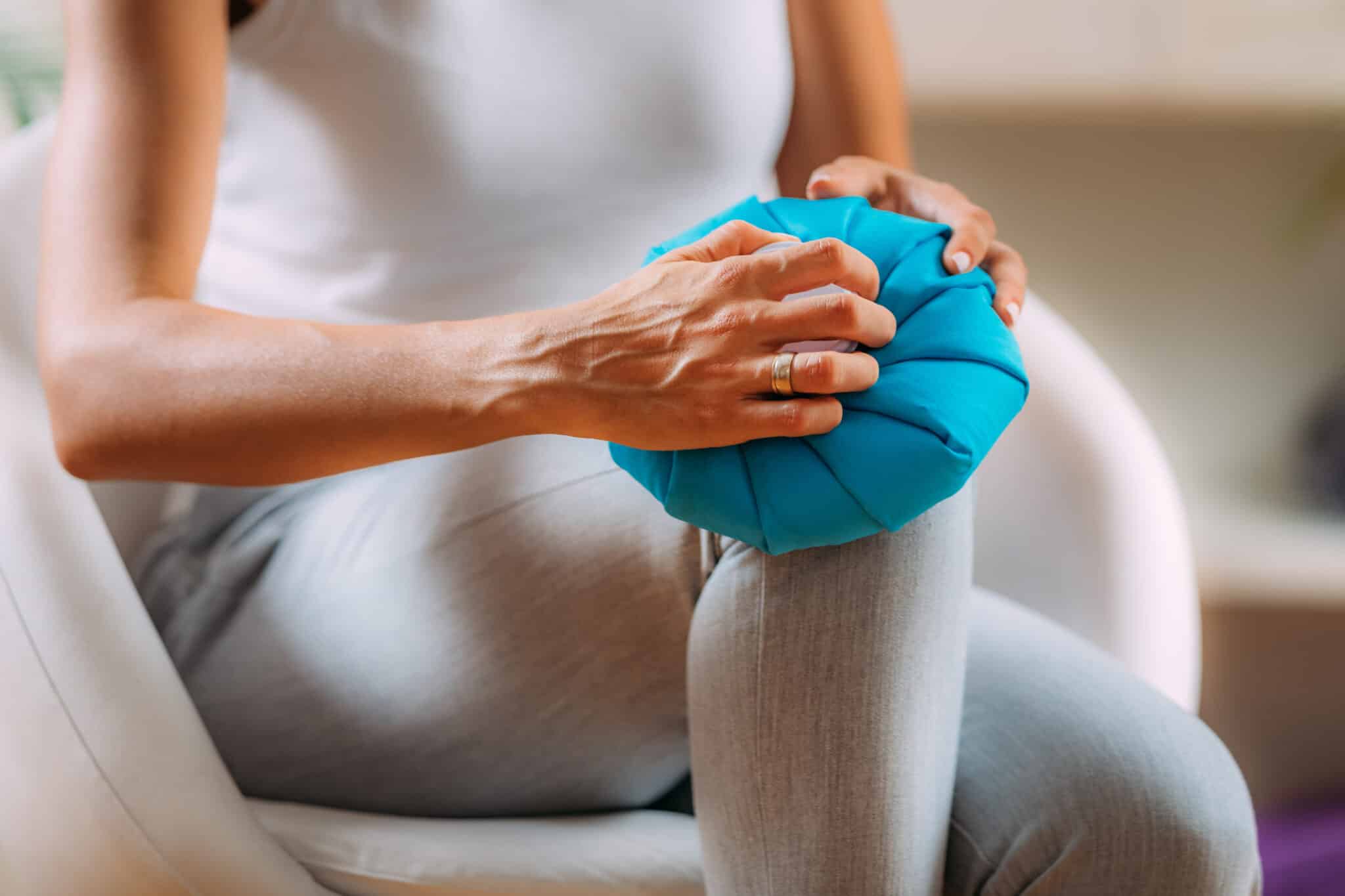
If the pain is mild and there was no major injury, early self-care may help calm symptoms. The goal is to reduce irritation while keeping you as active as is safely possible.
It’s usually better not to push through pain that changes your stride or keeps worsening. That can shift stress to other parts of your body, making recovery harder. If pain does not meaningfully improve after a short period of modified activity and home care, such as 1 to 2 weeks, contact a healthcare professional.
Treatment depends on the cause. Many runners improve without surgery, especially when the issue is related to overuse, mechanics, or muscle weakness.
| Treatment | How it may help |
|---|---|
| Activity modification | Reduces repeated stress on irritated tissues |
| Physical therapy | Improves strength, flexibility, movement patterns, and knee control |
| Anti-inflammatory medication | May help with short-term pain relief if appropriate for you, but should only be used as directed and may not be appropriate for people with certain medical conditions; check with your clinician or pharmacist if you are unsure |
| Bracing or taping | May be helpful in selected cases depending on the diagnosis |
| Injections | Sometimes considered for specific conditions after evaluation |
| Surgery | Reserved for certain structural problems when other treatments have not helped or when the injury requires it |
Physical therapy is often a key part of recovery. Treatment may focus on the quadriceps, hips, gluteal muscles, and core, since weakness or poor control in these areas can affect how the knee tracks during running.
Once pain starts to improve, returning too quickly can bring symptoms right back. A gradual return gives your knee time to adapt.
It’s a good idea to seek medical care if knee pain keeps you from running, interferes with daily activity, or doesn’t improve with basic self-care. You should also get checked if the knee is swollen, unstable, or difficult to move. Urgent or emergency evaluation is needed for sudden severe pain after a fall or direct blow, a visible deformity, large or rapid swelling within a few hours of injury, inability to bear weight or take more than a few steps, or signs of infection such as fever, redness, warmth, or feeling unwell with a very painful or swollen knee.
If you’re not sure what is causing your symptoms, OrthoNJ can evaluate your knee and help you understand the likely cause, your treatment options, and when it may be safe to return to running.
Knee pain after running is common, but it isn’t all the same. Some cases come from simple overuse and improve with rest and rehab. Others may involve cartilage, tendons, or the meniscus and need a more detailed evaluation.
This page is for general education and isn’t a substitute for personal medical advice. If your symptoms are ongoing or concerning, talk with your doctor or schedule an evaluation with an OrthoNJ specialist.
This treatment info is for informational purposes only. Treatment and recovery vary person to person, and you should consult with your treating physician and team for details on your treatment and recovery process.
Contact one of OrthoNJ's locations spread out through all of New Jersey.