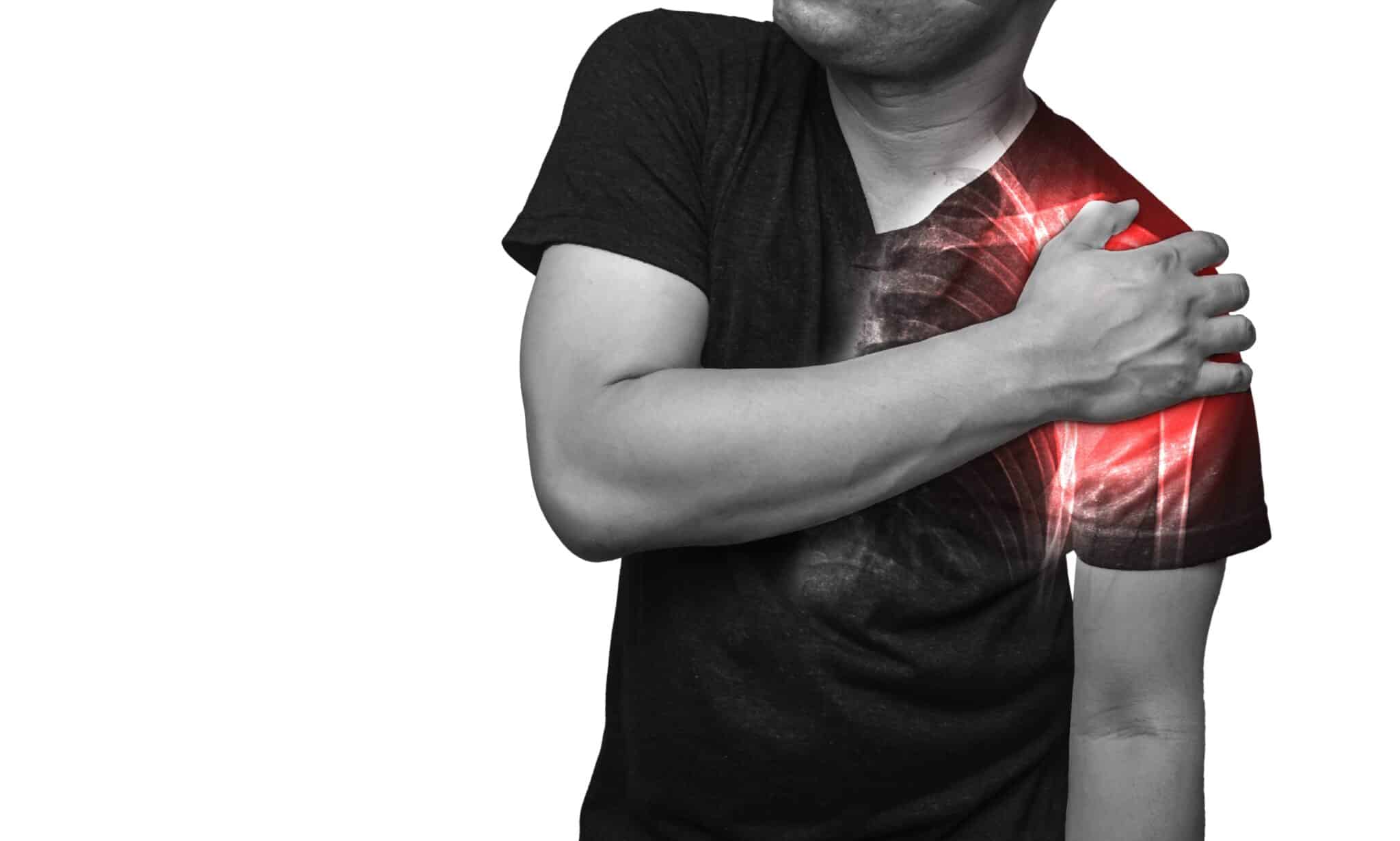
Tailbone pain can make sitting, leaning back, driving, or standing up from a chair feel surprisingly difficult. Here, we explain what the tailbone does, common causes of pain, how doctors evaluate it, and the treatment options that may help you feel better.
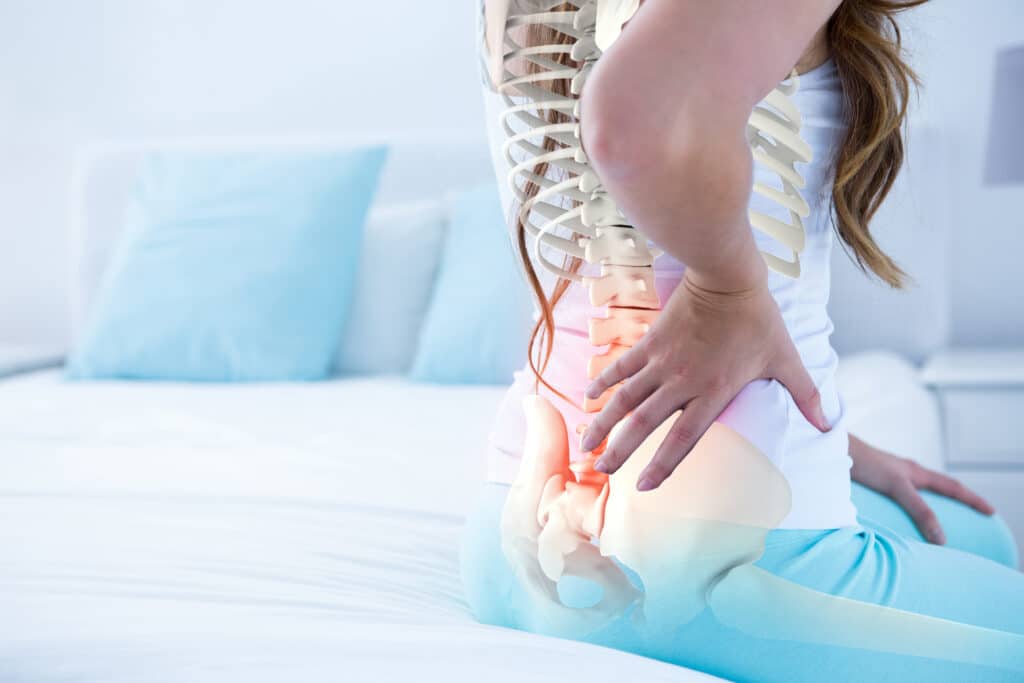
The tailbone, also called the coccyx, sits at the very bottom of the spine. It is small, but it plays an important role in supporting the body when you sit and in anchoring ligaments, tendons, and muscles in the pelvic area.
Pain in this area is often called coccydynia. At OrthoNJ, we evaluate tailbone pain carefully because several different problems can cause similar symptoms, and the best treatment depends on the reason for the pain.
Most people describe tailbone pain as a focused ache or sharp pain near the bottom of the spine. It may be worse when sitting, especially on a hard surface, or when moving from sitting to standing.
Symptoms can range from mild irritation to pain that interferes with work, travel, sleep, or daily routines. Some people notice symptoms only after an injury, while others develop pain gradually over time.
Tailbone pain can begin after a direct injury, such as a fall onto the buttocks. It can also develop from repeated pressure on the area, childbirth, or changes in the way the coccyx moves when you sit. Pain felt near the tailbone can sometimes be referred from the lumbar spine, sacroiliac joints, or pelvic floor muscles.
Women are affected more often than men, and body shape, sitting habits, and prior injury may all play a role. In some cases, no single clear cause is found.
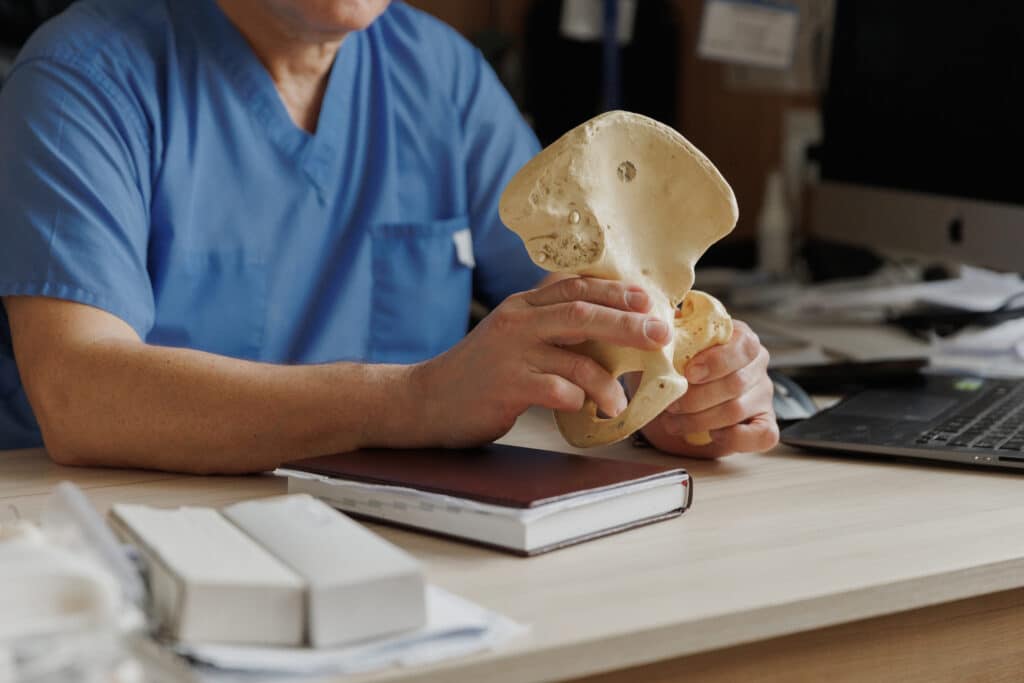
Tailbone pain can affect anyone, but some factors are linked with a higher chance of developing it. A history of falls, childbirth, or repeated pressure on the coccyx may make symptoms more likely.
Even though risk factors matter, they don’t tell the whole story. That’s why a full evaluation is important when pain doesn’t settle down.
Evaluation starts with a review of your symptoms and any history of injury, childbirth, or pressure-related pain. Your doctor will also ask what makes the pain worse, how long it has been present, and whether there are any bowel, bladder, numbness, or unexplained general symptoms. Because pain near the tailbone can sometimes come from the lumbar spine, sacroiliac joints, or pelvic floor muscles, part of the exam is making sure the true pain generator is identified.
The physical exam usually includes checking the lower back, pelvis, and tailbone area for tenderness. In some cases, a rectal exam may be used to gently assess the position and movement of the coccyx and to identify pain coming from nearby structures.
Imaging is not always needed, but it can help when symptoms are ongoing, severe, or linked to trauma. The type of test depends on what your doctor is looking for.
| Test | What it may show |
|---|---|
| X-rays | Fracture, dislocation, alignment changes, or unusual coccyx shape |
| Sitting and standing X-rays | How the tailbone moves with position changes |
| MRI | Soft tissue irritation, inflammation, or less common causes of pain |
| Other tests | Used selectively if symptoms suggest infection, tumor, or another condition |
Imaging findings need to be matched with your symptoms and exam. A change seen on a scan does not always mean it is the true source of pain.
Most people improve without surgery. Treatment usually begins with reducing pressure on the tailbone and calming irritated tissues.
The best plan depends on the cause of pain and how long symptoms have lasted. At OrthoNJ, we tailor treatment to the individual rather than assuming every case follows the same pattern.
Surgery is usually reserved for persistent pain that has not improved with nonoperative care. The operation most often discussed is coccygectomy, which means removing the painful tailbone segment.
This option is considered carefully because tailbone pain can have several causes, and surgery is not the right answer for everyone. Coccygectomy has variable success rates and a meaningful risk of wound problems or infection. For that reason, surgeons reserve it for carefully selected patients with persistent, well-documented coccygeal pain that has not responded to thorough nonoperative treatment.
Tailbone pain should be evaluated if it does not improve, keeps returning, or follows a fall or other injury. It is especially important to seek prompt medical evaluation if pain is severe or if you have symptoms that suggest something more than a simple bruise.
If tailbone pain is affecting your comfort or function, OrthoNJ can evaluate the problem and help you understand the next steps.
Yes. Many cases improve with time, pressure relief, and simple home measures. If pain lingers or keeps coming back, a medical evaluation is a good idea.
Usually not. Most tailbone fractures are treated without surgery, using rest, cushions, and symptom management. Surgery is generally reserved for ongoing pain that does not improve with other treatment.
Many people do well with a wedge-shaped or pressure-relieving seat cushion. Your doctor may suggest a specific style depending on where your pain is located and how you sit.
Not always. Some people improve without any imaging. X-rays or MRI may be used when symptoms are persistent, severe, or related to trauma, or when your doctor wants to rule out other causes.
This treatment info is for informational purposes only. Treatment and recovery vary person to person, and you should consult with your treating physician and team for details on your treatment and recovery process.
Contact one of OrthoNJ's locations spread out through all of New Jersey.