How to Prevent Runner's Knee: A Practical Guide from OrthoNJ
Runner’s knee (patellofemoral pain) is a common condition that can affect athletes and active individuals. It’s important to understand what it is, why it happens, the warning signs to watch for, and the steps you can take to reduce your risk. Training adjustments, targeted exercises, proper footwear, and choosing the right running surfaces can all make a difference. Pain-management strategies may also help, but if discomfort continues, it’s best to schedule an exam with OrthoNJ for personalized care.
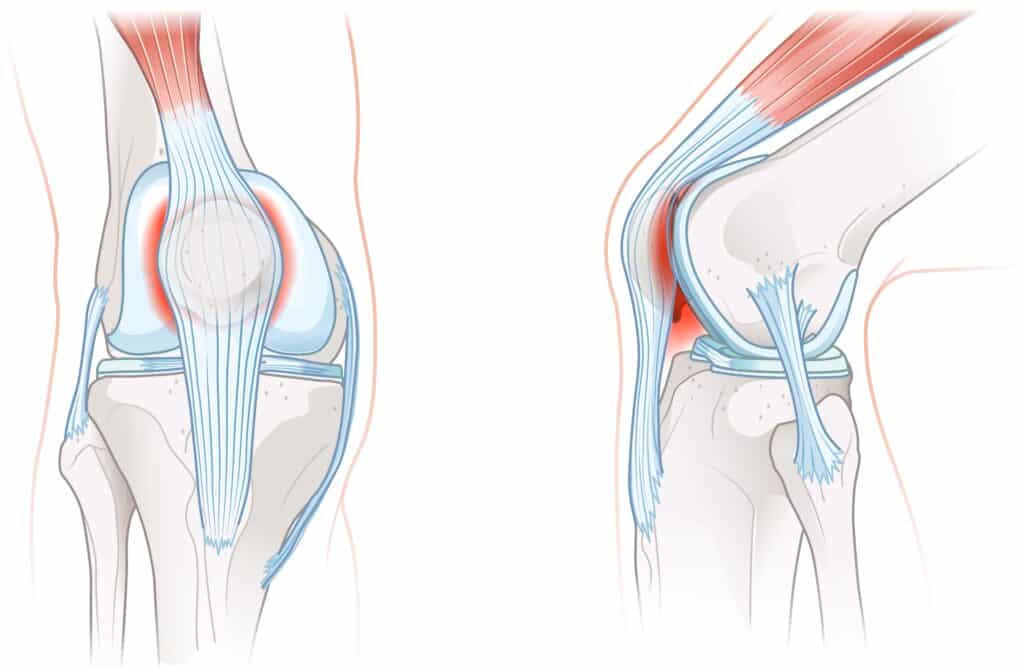
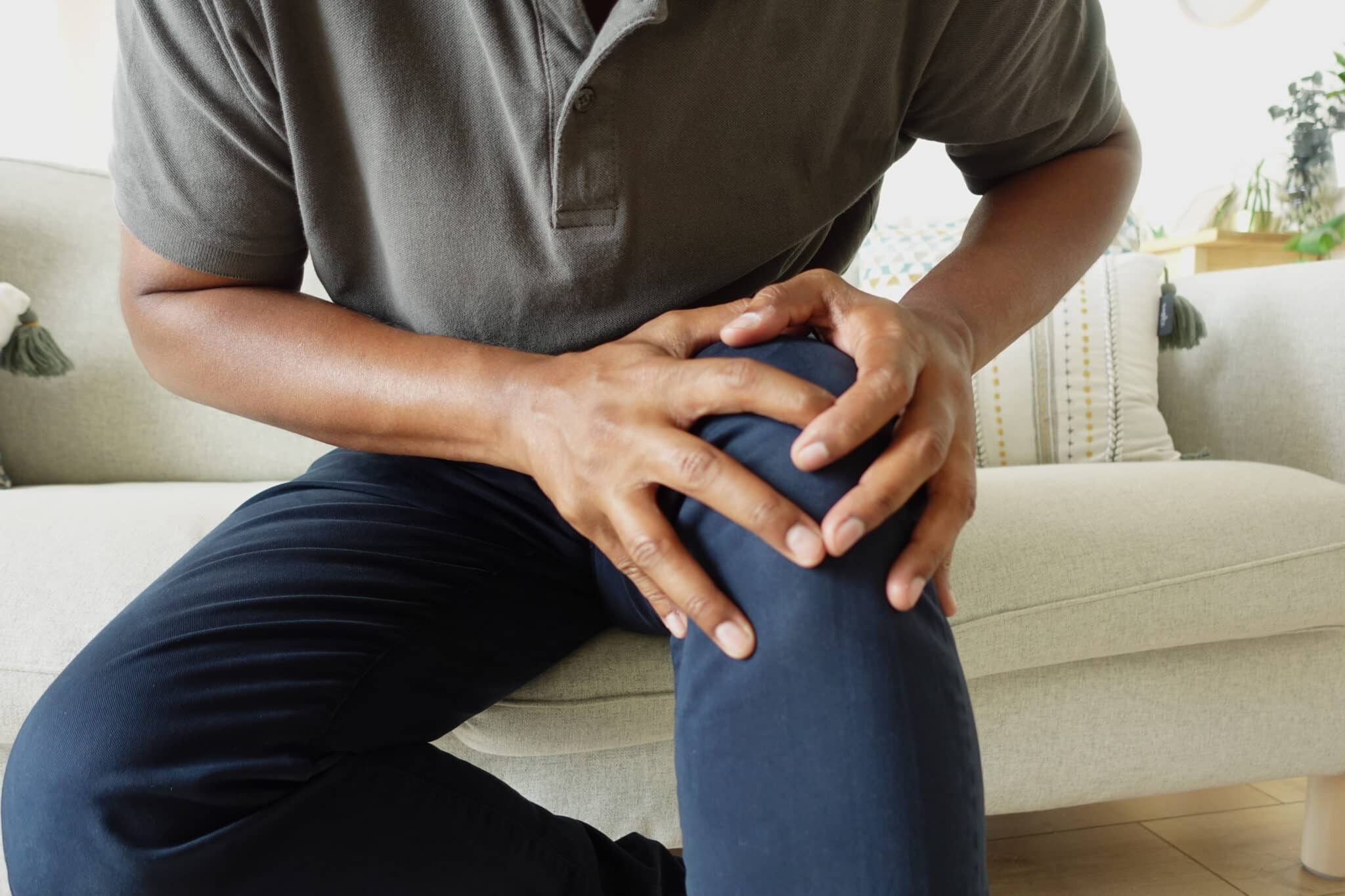
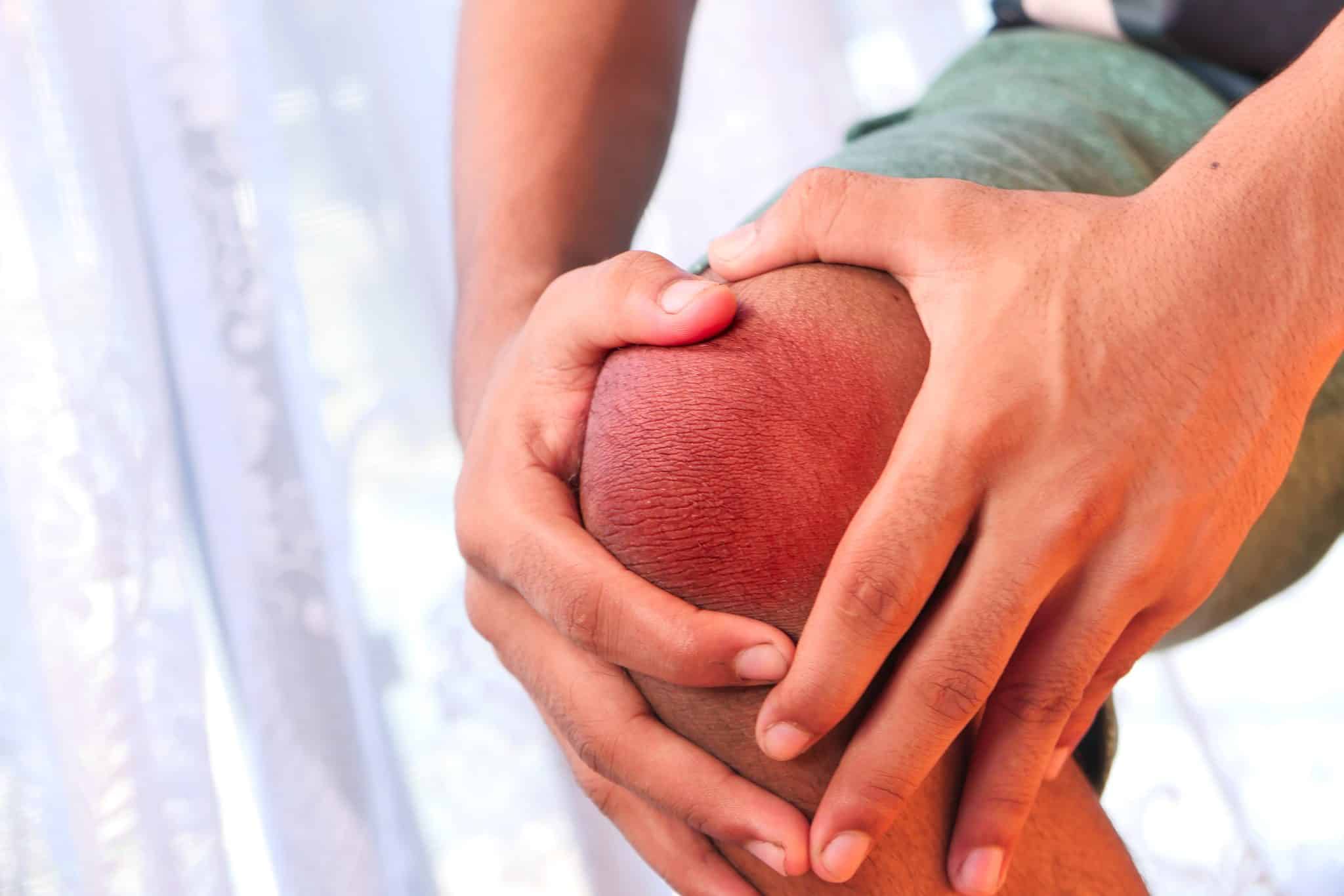
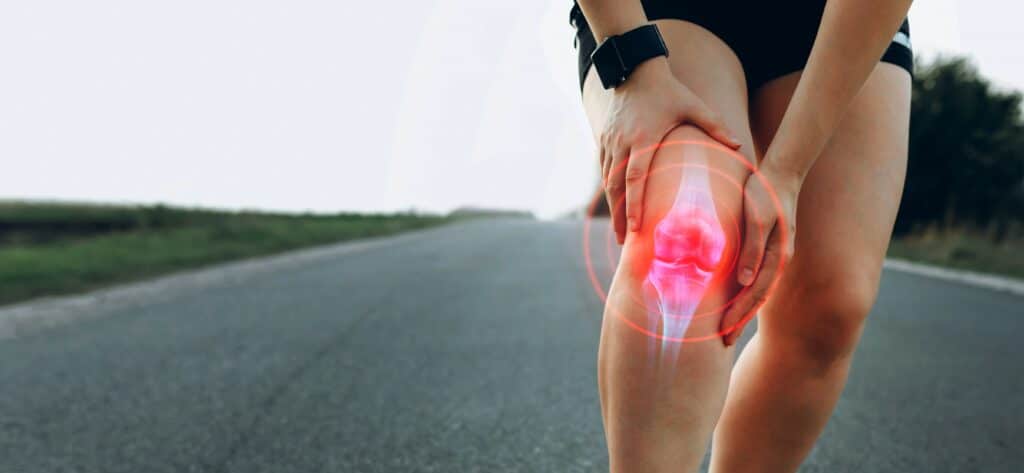
Runner's knee, also called patellofemoral pain, means irritation around the kneecap where it tracks over the thigh bone. You may feel pain in front of the knee during running, climbing stairs, or after sitting for a long time.
Not every knee pain is runner's knee. A clear pattern of pain with activity, especially running or squatting, points toward this problem. Early attention and simple changes often ease symptoms and reduce the chance of more persistent pain.
Common Signs to Notice
Symptoms vary, but the most common are pain around or behind the kneecap during activities that load the knee joint. The pain often increases with downhill running, stairs, squats, or long periods of sitting.
Pain under or around the kneecap when running, squatting, or using stairs
Discomfort after sitting for a long time, sometimes called the theater sign
A grinding or popping feeling with knee motion
Difficulty returning to training after increasing mileage
If you have swelling, true locking, sudden severe instability, visible deformity, or cannot bear weight, those may mean a different problem and you should see a clinician right away.
Why Runner's Knee Happens
Runner's knee usually results from a mismatch between the load placed on the kneecap and the tissues that control its tracking. Muscle weakness, tight tissues, sudden increases in activity, or changes in footwear or running surface all can play a role.
Weak hip or thigh muscles that let the knee move inward during running
Tightness in the quadriceps, IT band, or calf that alters kneecap motion
Rapid jumps in mileage or intensity without gradual buildup
Worn or inappropriate shoes and very hard or downhill surfaces
Key Prevention Strategies
These practical steps reduce the chance of developing runner's knee and help keep you running comfortably.
Build mileage gradually. A common rule of thumb is to limit weekly increases to about 10 percent. This guideline is widely used because sudden spikes in training are linked to higher injury risk. However evidence does not support a single fixed threshold for every runner, and individual tolerance varies. Consider gradual progression combined with regular recovery and adjust more conservatively if you have prior injury or new pain (Gabbett 2016; Nielsen et al. 2013).
Include easy days and rest. Schedule recovery runs, cross-training, or rest days to avoid constant high-impact loading.
Strengthen hips and quads. Exercise programs that target the hip abductors, external rotators, and quadriceps reduce pain and improve function in people with patellofemoral pain. Randomized trials and systematic reviews support a focus on hip and knee strengthening as part of prevention and treatment (Crossley et al. 2016; Barton et al. 2015).
Keep soft-tissue flexibility. Gentle stretching for the quads, hamstrings, calves, and the iliotibial band can ease tightness that alters kneecap tracking. Use stretching as part of a broader mobility and strength plan rather than as a sole strategy.
Choose supportive shoes and monitor wear. Most runners find replacing shoes around 300 to 500 miles helps maintain cushioning and support. Midsole cushioning and shock attenuation decline with use, which may influence symptoms for some runners. Replace shoes sooner if you notice loss of cushioning, increased soreness, or visible outsole wear (studies show midsole properties change with several hundred miles of use; individual needs vary).
Mix surfaces. Prefer softer surfaces when increasing training and avoid long downhill runs when possible.
Practice balanced form. Shortening stride length slightly and focusing on a midfoot or balanced foot strike can reduce peak loads at the knee. Work with a coach or clinician if you plan to change form substantially.
Strength work is one of the most effective prevention strategies for patellofemoral pain when it is part of a consistent program. Focus on exercises that stabilize the hip and the knee so your kneecap tracks more smoothly.
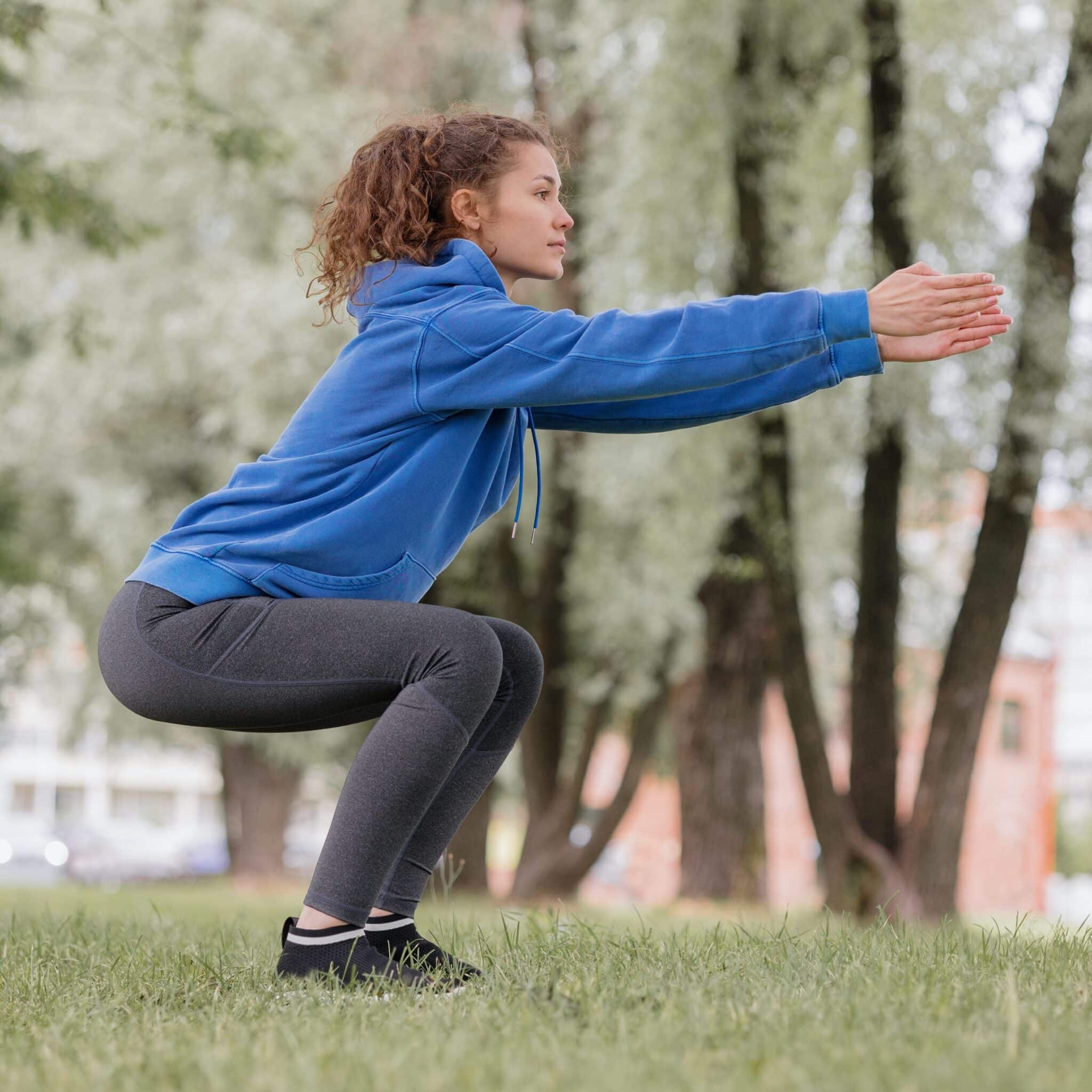
Examples include bodyweight squats, step-ups, side-lying hip raises, clamshells, and single-leg deadlifts. Start with 2 to 3 sessions per week and progress resistance slowly. If you have persistent pain seek guided rehabilitation from an OrthoNJ clinician to tailor load and progression.
Simple Home Exercises to Start
Below are sample exercises commonly used to reduce patellofemoral pain risk. If any cause sharp or worsening pain stop and check with a clinician.
Clamshells - Lie on your side with hips bent and lift the top knee while keeping feet together. Builds hip external rotation strength.
Bridges - Lie on your back, press through your heels and lift your hips. Focus on squeezing the glutes.
Step-ups - Step up onto a low box with controlled motion, then step down. Start with bodyweight and increase height or load gradually.
Quadriceps sets and straight-leg raises - Gentle ways to activate the front thigh muscles without heavy knee bending.
Training Tips and Shoe Advice
Small changes to training and footwear often make a big difference.
Rotate running with low-impact cross-training such as cycling or swimming to reduce repetitive knee loading.
Replace shoes typically every 300 to 500 miles, or earlier if cushioning and support feel worn or you develop new soreness. Individual factors such as body weight, running style, and surface affect how quickly shoes wear out.
Use orthotics or inserts only if recommended after an assessment. They can help some runners with abnormal foot mechanics but are not universally needed.
Warm up before harder efforts and cool down with light jogging and mobility work afterward.
What to Do If Pain Starts
If you notice new front knee pain, back off the activity that provokes it. Reduce load, use short-term supportive measures, and begin a progressive strengthening plan while you monitor symptoms.
Reduce running volume and intensity for several days to a few weeks depending on symptoms. For many people mild cases improve in days to weeks with load modification and exercise, while others need a longer graded return over several weeks to months. Recovery timelines vary by injury severity, training history, and adherence to rehab.
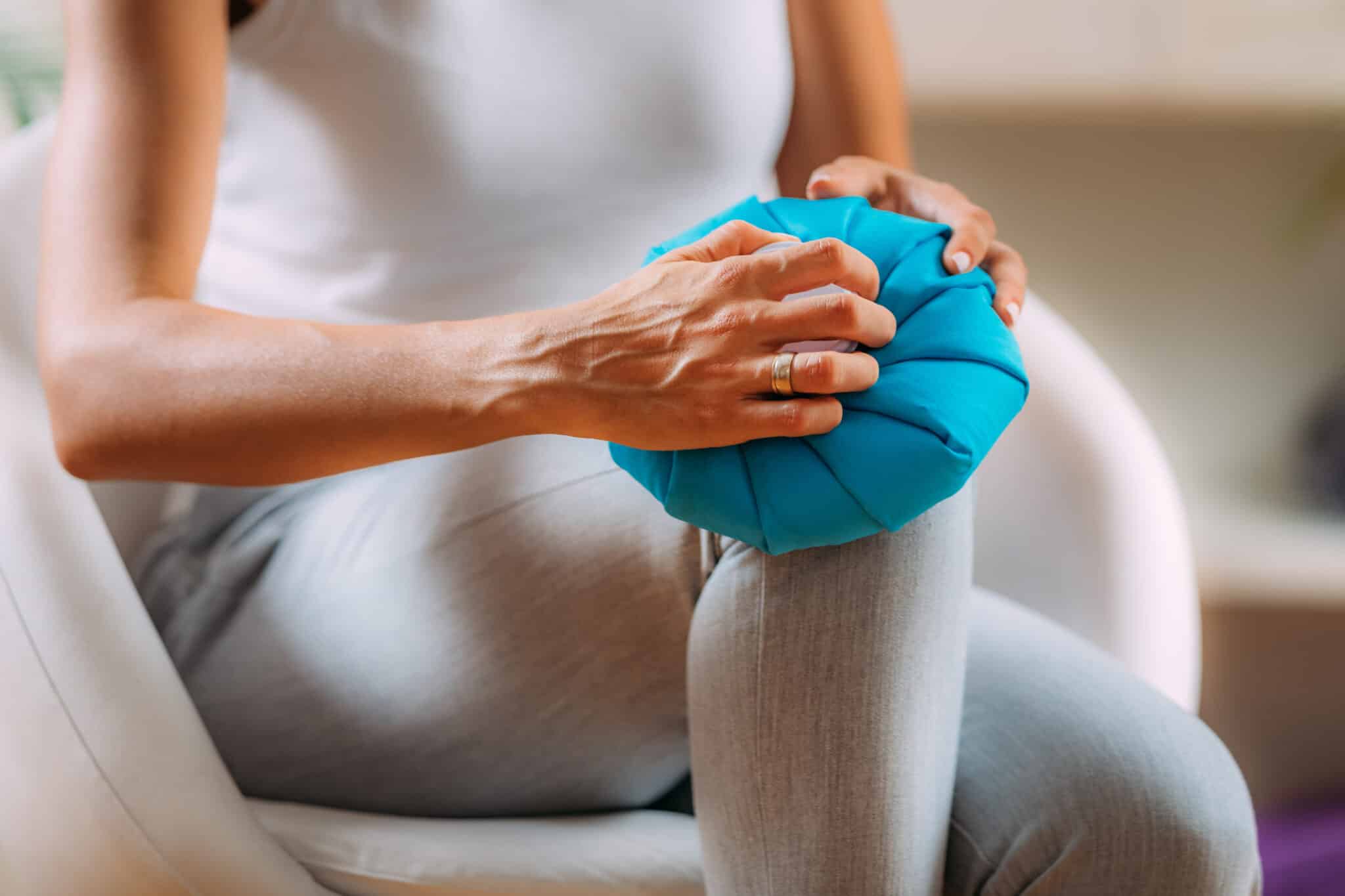
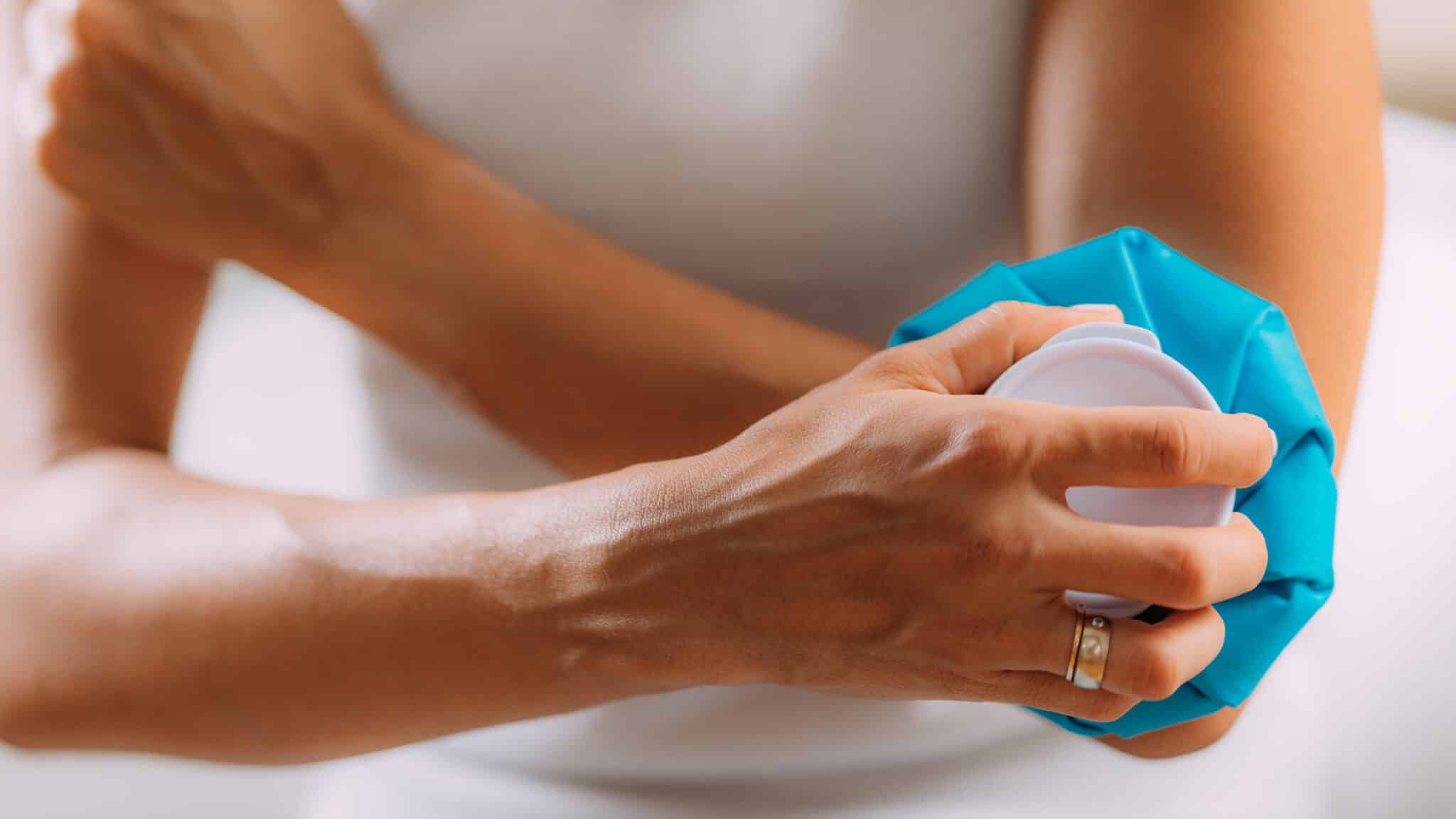
Use ice for short periods to ease bothersome pain after activity. Avoid prolonged ice over several hours at a time.
Consider short term pain-relief medications only under guidance. Over-the-counter nonsteroidal anti-inflammatory drugs may help reduce pain and inflammation for some people, but they have risks including stomach upset, kidney effects, and cardiovascular considerations. Topical NSAID preparations can reduce systemic exposure and may be appropriate for some patients. Talk with an OrthoNJ clinician or your primary care provider about whether oral or topical NSAIDs are safe for you and about the appropriate dose and duration.
Begin or continue a strengthening and flexibility program focused on hips and quads. If pain limits exercise start with pain-free activation exercises and progress under professional supervision.
When to Call a Doctor at OrthoNJ
Contact an OrthoNJ clinician if any of the following occur:
Severe pain that does not improve with rest and simple measures
Sudden swelling in the knee after an injury
A knee that feels unstable or gives way
Visible deformity or inability to bear weight
An OrthoNJ evaluation can include movement assessment, targeted treatment, and imaging if needed. We tailor a plan to your goals and medical history so you return safely to the activity you enjoy.
Realistic Expectations and Personalization
Most runners improve with a combination of activity modification, targeted strengthening, and sensible training progressions. Exact recovery time varies. Your OrthoNJ clinician will consider your symptoms, training history, medical conditions, and goals to recommend a personalized plan, including a stepwise return-to-running schedule when appropriate.
Next Steps and Scheduling an Exam
If knee pain is limiting your activity or you are unsure how to start a prevention program, schedule an exam with OrthoNJ. We will assess your movement, discuss training, and create a plan that balances recovery with your goals.
Early attention often prevents small problems from becoming bigger. If you want help returning to running safely, we can help.
Find An OrthoNJ Location
Contact one of OrthoNJ's locations spread out through all of New Jersey.

This treatment info is for informational purposes only.Treatment and recovery vary person to person, and you should consult with your treating physician and team for details on your treatment and recovery process.
The cf_use_ob cookie informs Cloudflare to fetch the requested resource from the Always Online cache on the designated port. Applicable values are: 0, 80, and 443. The cf_ob_info and cf_use_ob cookies are persistent cookies that expire after 30 seconds.
session
__cfwaitingroom
The __cfwaitingroom cookie is only used to track visitors that access a waiting room enabled host and path combination for a zone. Visitors using a browser that does not accept cookies cannot visit the host and path combination while the waiting room is active.
session
cf_chl_rc_i
These cookies are for internal use which allows Cloudflare to identify production issues on clients.
session
cf_chl_rc_ni
These cookies are for internal use which allows Cloudflare to identify production issues on clients.
session
cf_chl_rc_m
These cookies are for internal use which allows Cloudflare to identify production issues on clients.
session
__cfruid
Used by the content network, Cloudflare, to identify trusted web traffic.
session
__cf_bm
Cloudflare's bot products identify and mitigate automated traffic to protect your site from bad bots. Cloudflare places the __cf_bm cookie on End User devices that access Customer sites that are protected by Bot Management or Bot Fight Mode. The __cf_bm cookie is necessary for the proper functioning of these bot solutions.
session
__cflb
When enabling session affinity with Cloudflare Load Balancer, Cloudflare sets a __cflb cookie with a unique value on the first response to the requesting client. Cloudflare routes future requests to the same origin, optimizing network resource usage. In the event of a failover, Cloudflare sets a new __cflb cookie to direct future requests to the failover pool.
session
_cfuvid
The _cfuvid cookie is only set when a site uses this option in a Rate Limiting Rule, and is only used to allow the Cloudflare WAF to distinguish individual users who share the same IP address.
session
cf_clearance
Whether a CAPTCHA or Javascript challenge has been solved.
session
__cfseq
Sequence rules uses cookies to track the order of requests a user has made and the time between requests and makes them available via Cloudflare Rules. This allows you to write rules that match valid or invalid sequences. The specific cookies used to validate sequences are called sequence cookies.
session
cf_ob_info
The cf_ob_info cookie provides information on: The HTTP Status Code returned by the origin web server. The Ray ID of the original failed request. The data center serving the traffic
session
These cookies are needed for adding comments on this website.
Name
Description
Duration
comment_author
Used to track the user across multiple sessions.
Session
comment_author_email
Used to track the user across multiple sessions.
Session
comment_author_url
Used to track the user across multiple sessions.
Session
Google Tag Manager simplifies the management of marketing tags on your website without code changes.
Name
Description
Duration
cookiePreferences
Registers cookie preferences of a user
2 years
td
Registers statistical data on users' behaviour on the website. Used for internal analytics by the website operator.
session
Statistics cookies collect information anonymously. This information helps us understand how visitors use our website.
Google Analytics is a powerful tool that tracks and analyzes website traffic for informed marketing decisions.
Contains information related to marketing campaigns of the user. These are shared with Google AdWords / Google Ads when the Google Ads and Google Analytics accounts are linked together.
90 days
__utma
ID used to identify users and sessions
2 years after last activity
__utmt
Used to monitor number of Google Analytics server requests
10 minutes
__utmb
Used to distinguish new sessions and visits. This cookie is set when the GA.js javascript library is loaded and there is no existing __utmb cookie. The cookie is updated every time data is sent to the Google Analytics server.
30 minutes after last activity
__utmc
Used only with old Urchin versions of Google Analytics and not with GA.js. Was used to distinguish between new sessions and visits at the end of a session.
End of session (browser)
__utmz
Contains information about the traffic source or campaign that directed user to the website. The cookie is set when the GA.js javascript is loaded and updated when data is sent to the Google Anaytics server
6 months after last activity
__utmv
Contains custom information set by the web developer via the _setCustomVar method in Google Analytics. This cookie is updated every time new data is sent to the Google Analytics server.
2 years after last activity
__utmx
Used to determine whether a user is included in an A / B or Multivariate test.
18 months
_ga
ID used to identify users
2 years
_gali
Used by Google Analytics to determine which links on a page are being clicked
30 seconds
_ga_
ID used to identify users
2 years
_gid
ID used to identify users for 24 hours after last activity
24 hours
_gat
Used to monitor number of Google Analytics server requests when using Google Tag Manager