Runner’s knee (patellofemoral pain) is a common condition that can affect athletes and active individuals. It’s important to understand what it is, why it happens, the warning signs to watch for, and the steps you can take to reduce your risk. Training adjustments, targeted exercises, proper footwear, and choosing the right running surfaces can all make a difference. Pain-management strategies may also help, but if discomfort continues, it’s best to schedule an exam with OrthoNJ for personalized care.
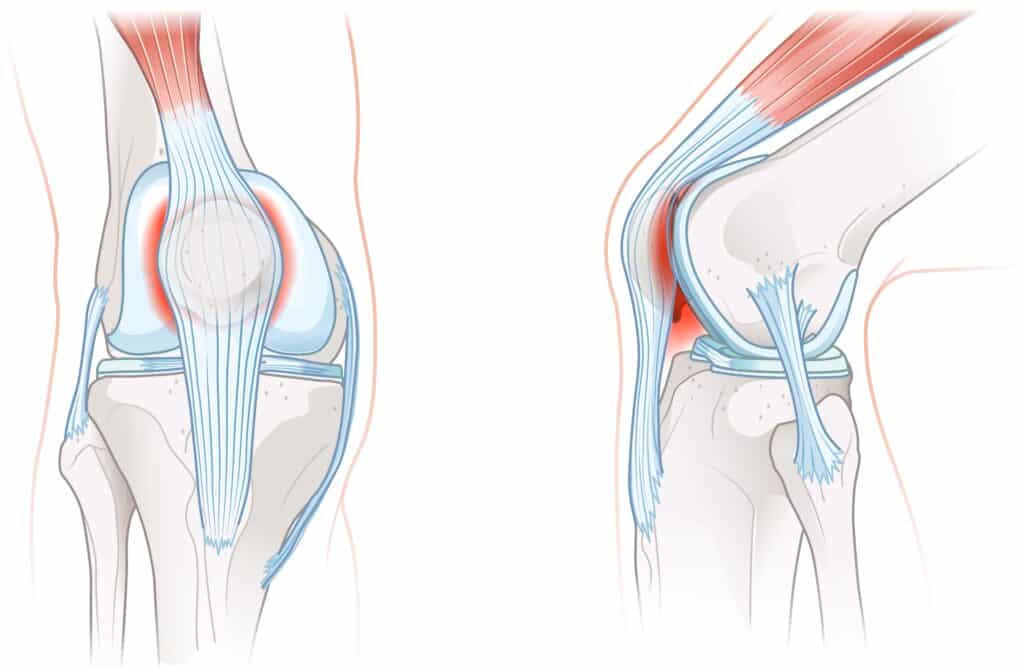
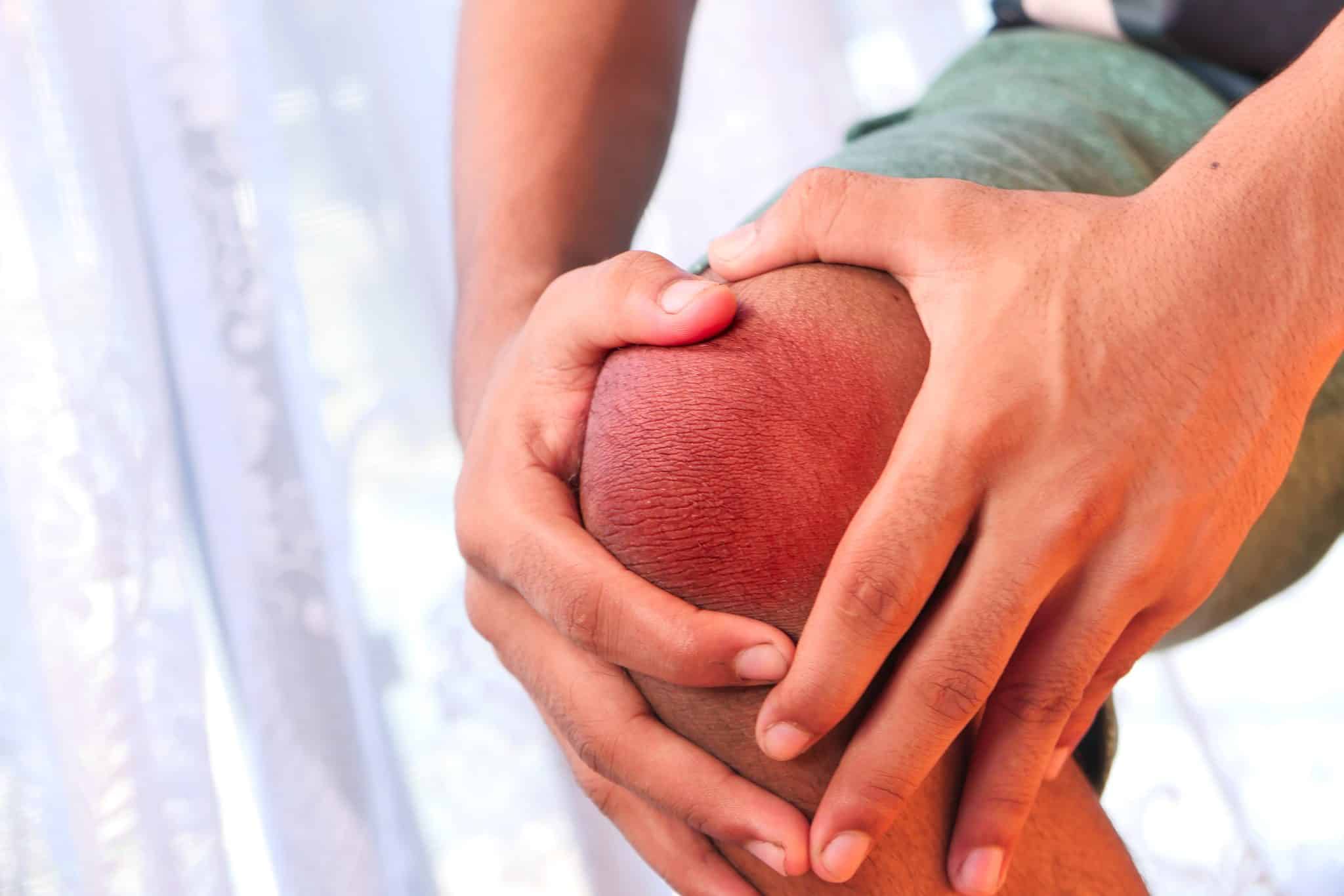
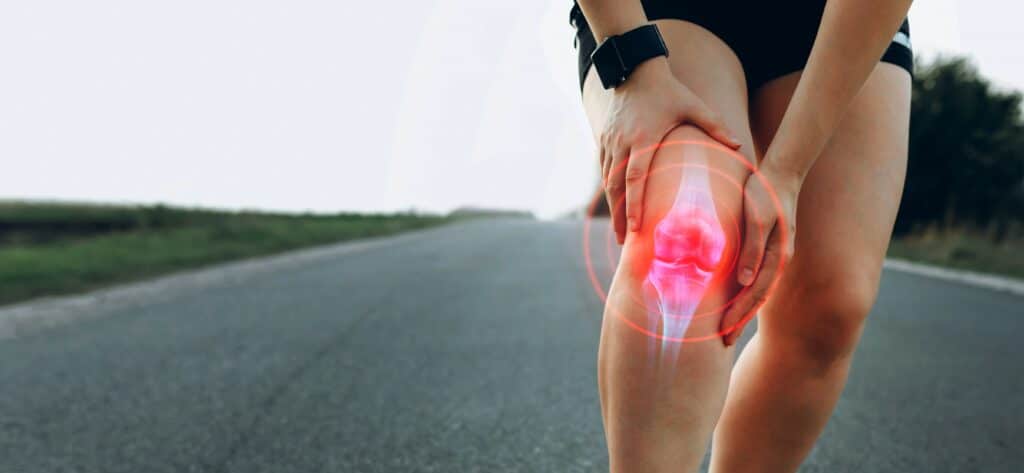
Runner's knee, also called patellofemoral pain, means irritation around the kneecap where it tracks over the thigh bone. You may feel pain in front of the knee during running, climbing stairs, or after sitting for a long time.
Not every knee pain is runner's knee. A clear pattern of pain with activity, especially running or squatting, points toward this problem. Early attention and simple changes often ease symptoms and reduce the chance of more persistent pain.
Symptoms vary, but the most common are pain around or behind the kneecap during activities that load the knee joint. The pain often increases with downhill running, stairs, squats, or long periods of sitting.
If you have swelling, true locking, sudden severe instability, visible deformity, or cannot bear weight, those may mean a different problem and you should see a clinician right away.
Runner's knee usually results from a mismatch between the load placed on the kneecap and the tissues that control its tracking. Muscle weakness, tight tissues, sudden increases in activity, or changes in footwear or running surface all can play a role.
These practical steps reduce the chance of developing runner's knee and help keep you running comfortably.
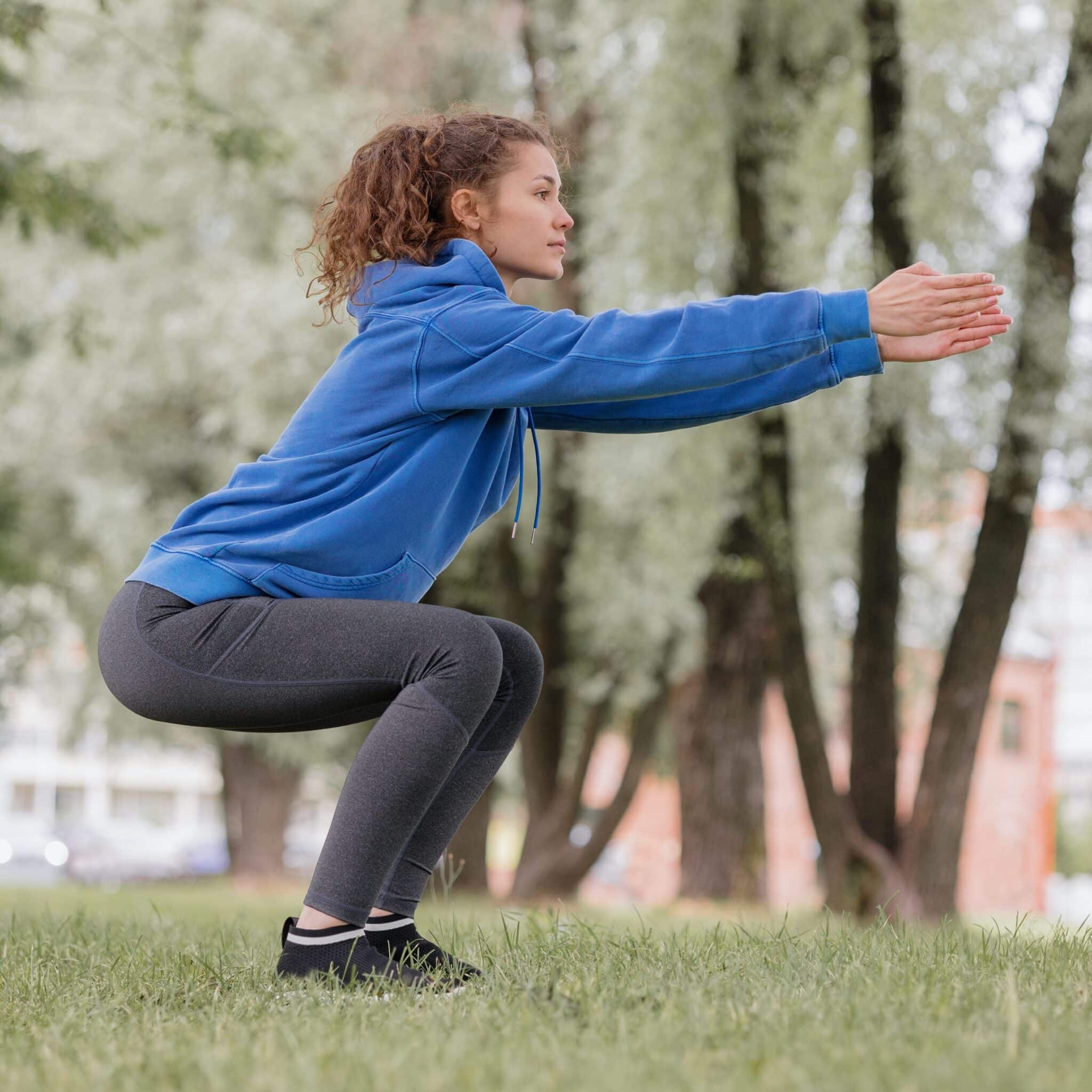
Strength work is one of the most effective prevention strategies for patellofemoral pain when it is part of a consistent program. Focus on exercises that stabilize the hip and the knee so your kneecap tracks more smoothly.
Examples include bodyweight squats, step-ups, side-lying hip raises, clamshells, and single-leg deadlifts. Start with 2 to 3 sessions per week and progress resistance slowly. If you have persistent pain seek guided rehabilitation from an OrthoNJ clinician to tailor load and progression.
Below are sample exercises commonly used to reduce patellofemoral pain risk. If any cause sharp or worsening pain stop and check with a clinician.
Small changes to training and footwear often make a big difference.
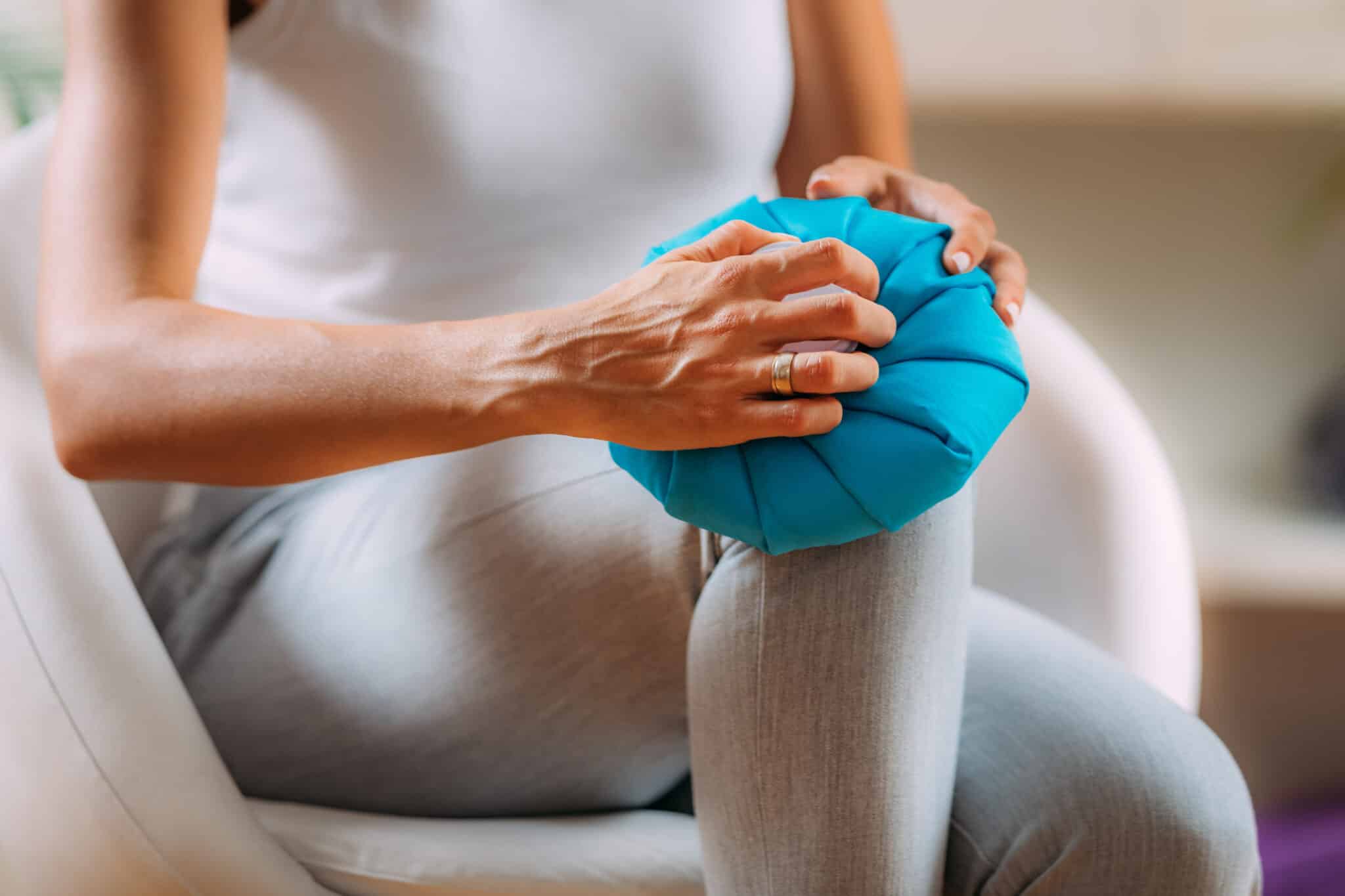
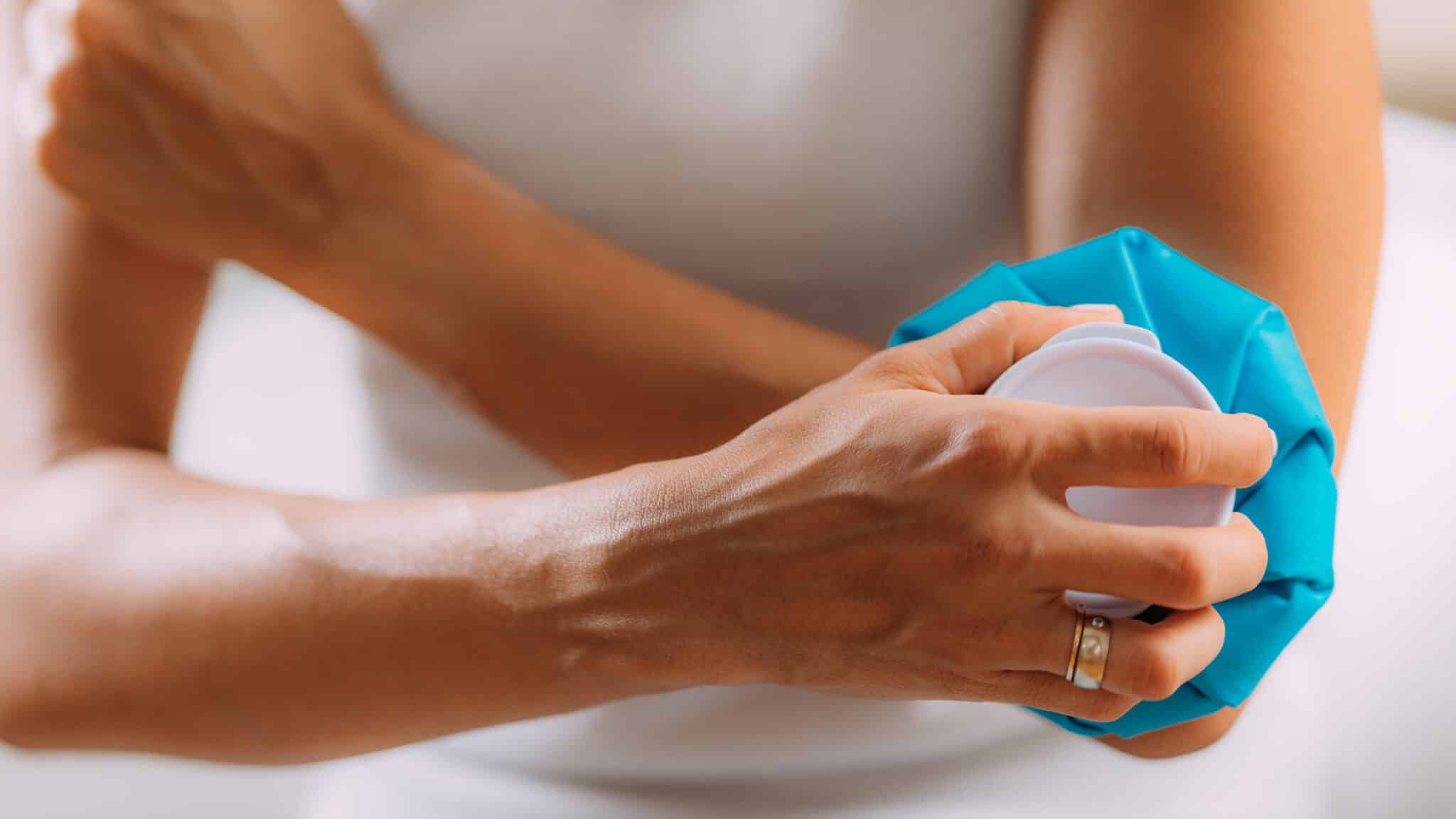
If you notice new front knee pain, back off the activity that provokes it. Reduce load, use short-term supportive measures, and begin a progressive strengthening plan while you monitor symptoms.
Contact an OrthoNJ clinician if any of the following occur:
An OrthoNJ evaluation can include movement assessment, targeted treatment, and imaging if needed. We tailor a plan to your goals and medical history so you return safely to the activity you enjoy.
Most runners improve with a combination of activity modification, targeted strengthening, and sensible training progressions. Exact recovery time varies. Your OrthoNJ clinician will consider your symptoms, training history, medical conditions, and goals to recommend a personalized plan, including a stepwise return-to-running schedule when appropriate.
If knee pain is limiting your activity or you are unsure how to start a prevention program, schedule an exam with OrthoNJ. We will assess your movement, discuss training, and create a plan that balances recovery with your goals.
Early attention often prevents small problems from becoming bigger. If you want help returning to running safely, we can help.
Contact one of OrthoNJ's locations spread out through all of New Jersey.

This treatment info is for informational purposes only. Treatment and recovery vary person to person, and you should consult with your treating physician and team for details on your treatment and recovery process.
"Runners knee" is the everyday name for pain around or just behind the kneecap, and despite the name it is not only runners who get it. It is common in anyone who is active, and it tends to show up as a dull ache at the front of the knee that is worse with running, stairs, squatting, or sitting for a long time.
It usually builds up over time rather than from a single injury. Doing too much too soon, a sudden jump in mileage, and weakness in the hips and thighs can all change how the kneecap tracks and load the joint. Footwear and running surface can play a part as well. Because several factors often overlap, what is driving it can differ from one person to the next.
Most people improve by easing off the activity that aggravates it for a while, rather than stopping everything, and letting the irritation settle. Gentle strengthening for the hips and thighs, a gradual return to running, and attention to footwear are common parts of recovery. If the pain lingers, keeps returning, or limits what you can do, our sports medicine physicians can help pin down the cause.
Building mileage gradually, keeping the hips and thighs strong, and mixing in lower-impact cross-training are the habits that tend to keep runners knee from returning. If it keeps coming back despite those, it is worth a closer look from a knee specialist rather than pushing through it.