Bone spurs are extra bits of bone that can form near joints or where tendons and ligaments attach to bone. They are also called osteophytes. In addition to age related wear and osteoarthritis, less common causes such as diffuse idiopathic skeletal hyperostosis or certain inflammatory conditions can also contribute to bone spur formation. In this guide, we explain what bone spurs are, why they develop, common symptoms, how they are diagnosed, and the treatments that may help. If pain or stiffness is limiting you, the team at OrthoNJ can help evaluate the cause and discuss your options.
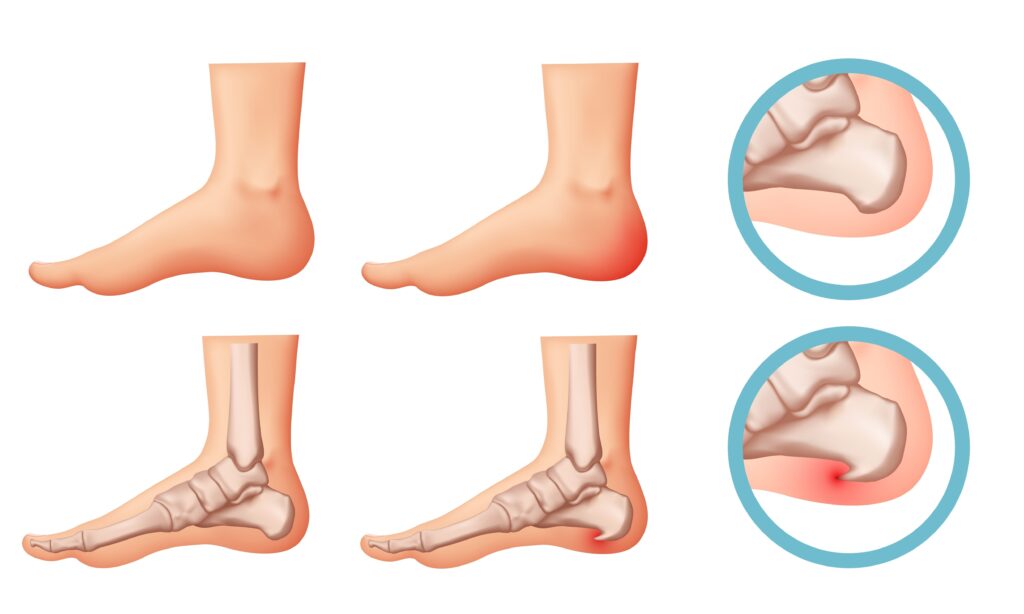
Despite the name, a bone spur is usually smooth, not sharp. Many people have them and do not know it because they often cause no symptoms.
Problems start when a bone spur rubs against nearby tissue, narrows a space in a joint, or affects the way a joint moves. Symptoms depend on where the spur is located and what structures are nearby.
Bone spurs usually develop over time as the body responds to stress, friction, or joint changes. They are commonly linked with osteoarthritis, which is the wear of joint cartilage that becomes more common with age.
As a joint changes, the body may build extra bone around the area. This can happen in the spine, shoulders, hips, knees, hands, feet, and other joints.
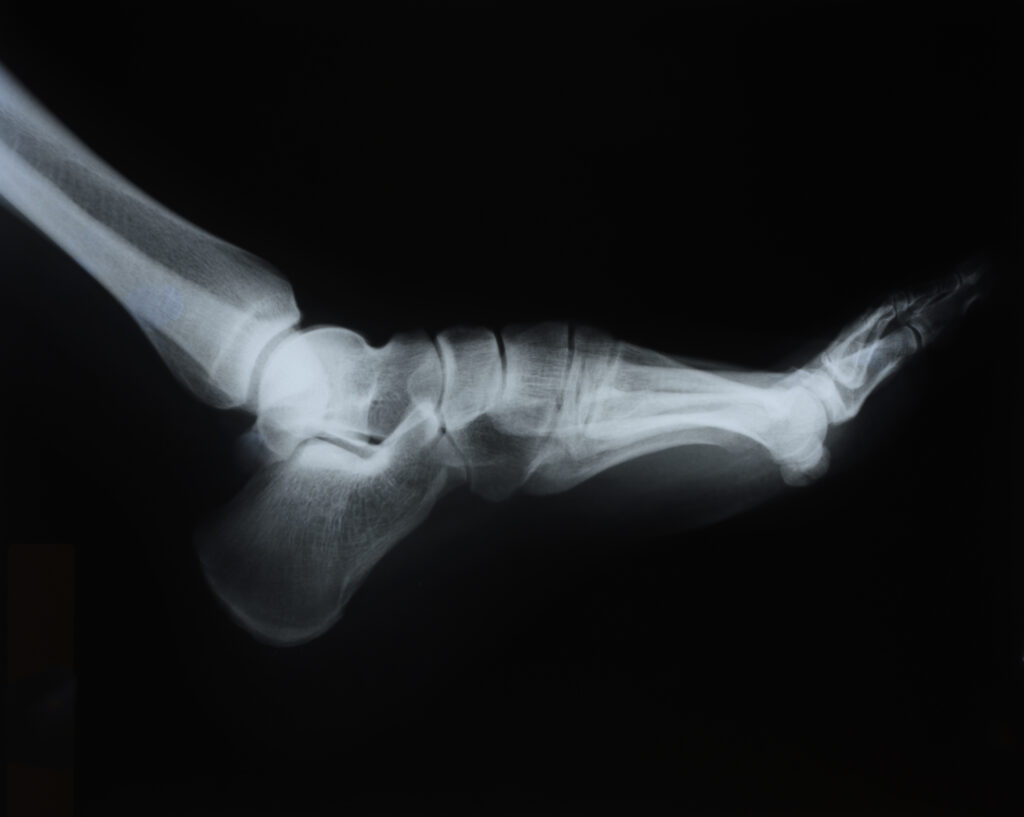
Bone spurs are not always a sign of a serious problem. In many cases, they are simply a sign that a joint has gone through wear over time.
That said, location matters. A small spur in one person may cause no symptoms, while a similar spur in another person may press on a tendon, nerve, or nearby soft tissue and lead to pain.
Bone spurs can form in several parts of the body. The symptoms often depend more on the location than on the size of the spur itself.
| Location | What may happen |
|---|---|
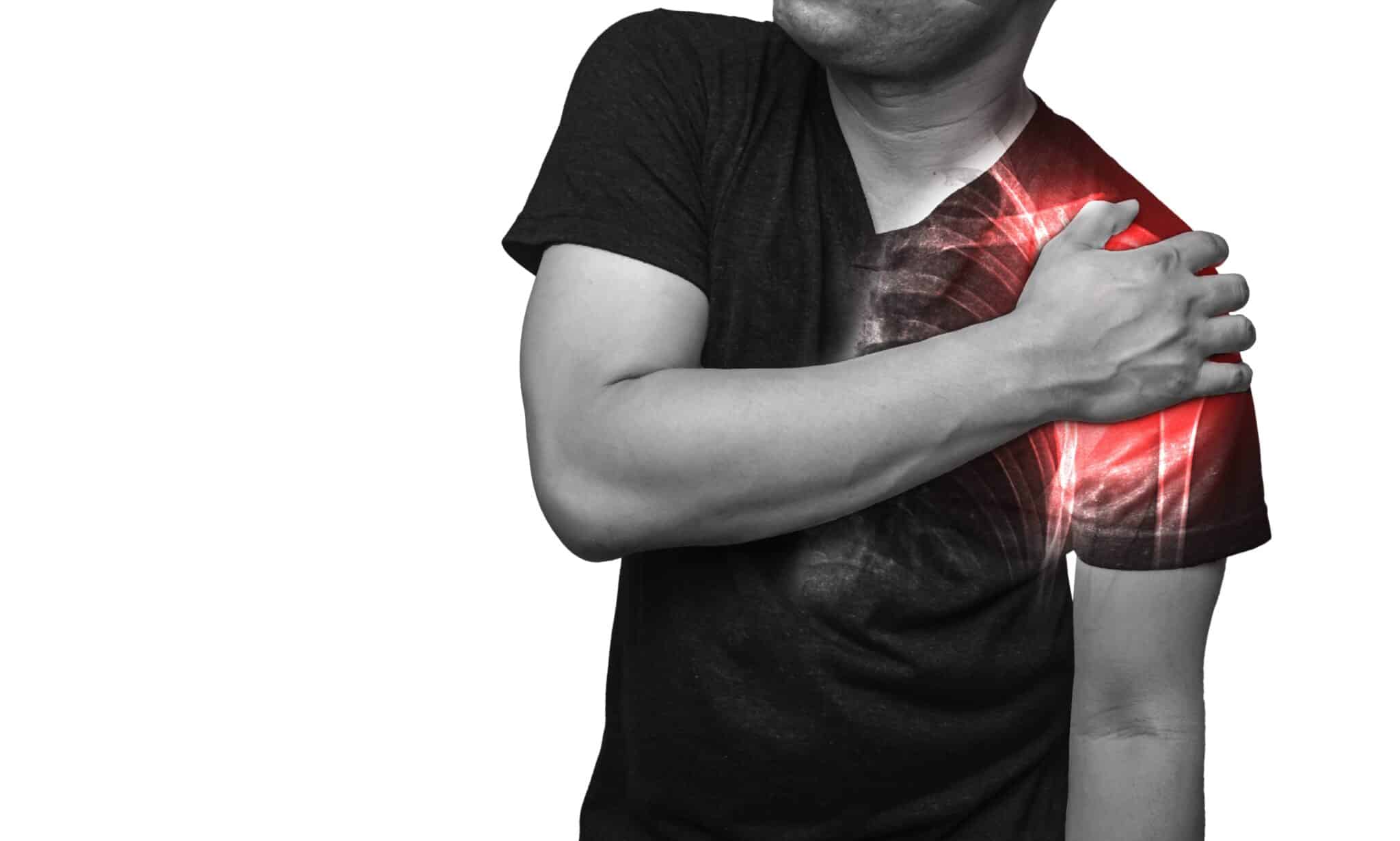
| Shoulder | May irritate the rotator cuff or contribute to pinching with overhead motion |
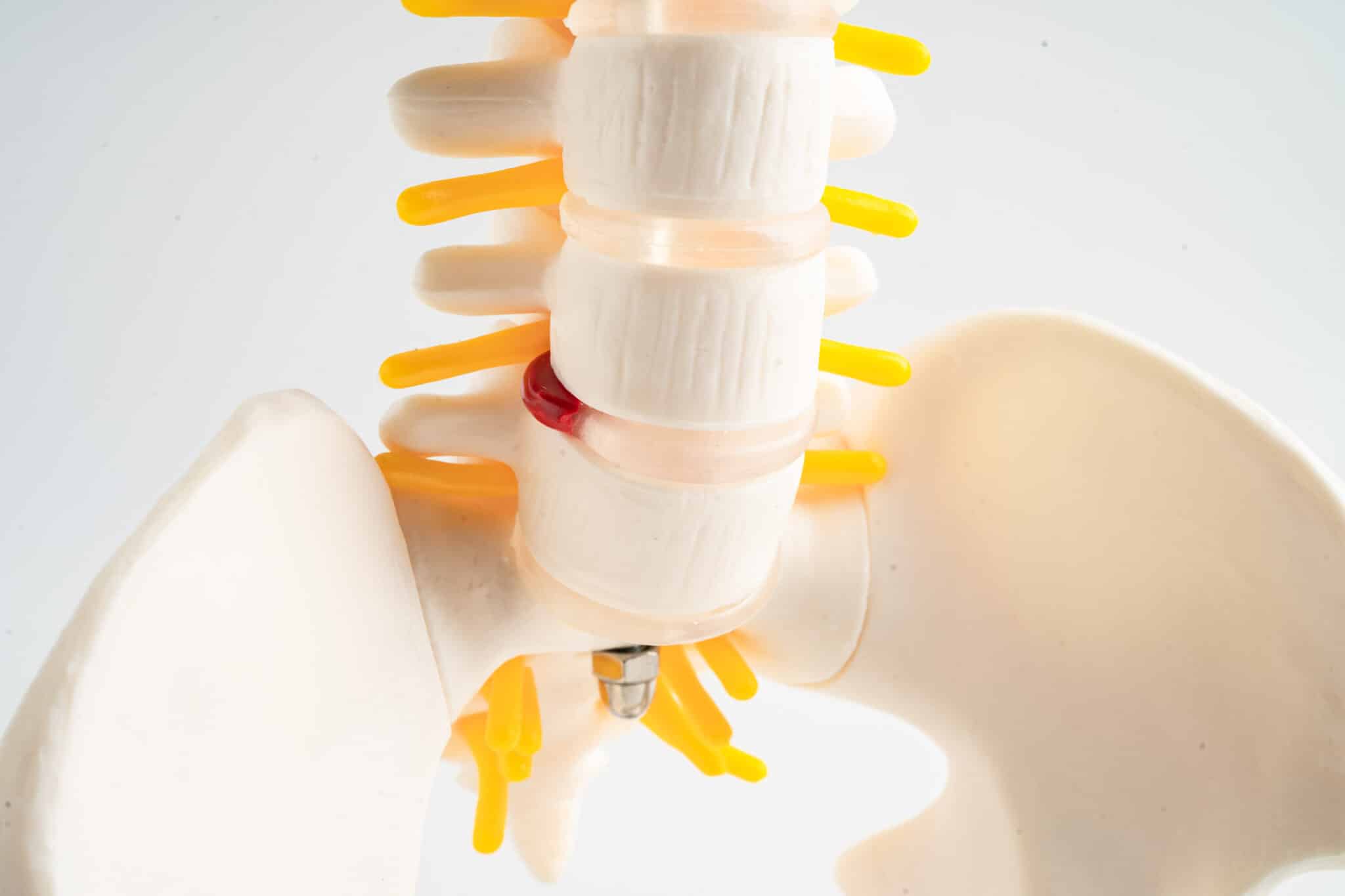
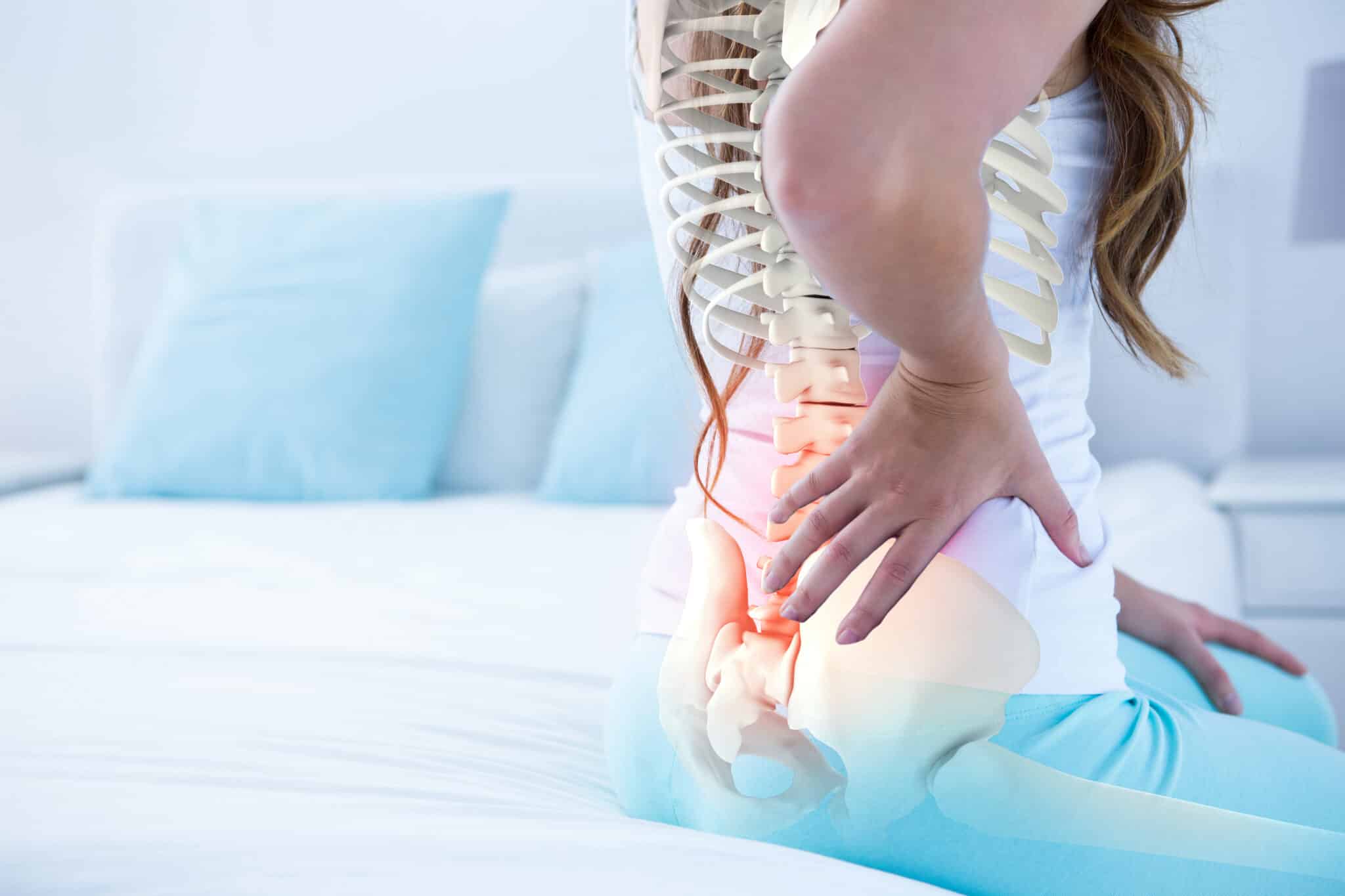
| Spine | May narrow spaces around nerves and lead to pain, numbness, or weakness |
| Hip | May affect motion and contribute to stiffness or groin pain |
| Knee | Often seen with arthritis and may be linked with stiffness or swelling |
| Foot or ankle | May cause pain with shoes, walking, or push-off |
| Hand | May appear as joint enlargement or stiffness, especially with arthritis |
Many bone spurs do not cause symptoms at all. When symptoms do occur, they often come from irritation of nearby tissue or reduced joint space.
For example, a spur in the shoulder may be linked with pain when lifting the arm. In the spine, a bone spur may narrow the space around a nerve and lead to symptoms that travel into an arm or leg.
Diagnosis starts with a medical history and physical exam. Your doctor will ask where it hurts, what movements trigger symptoms, and how long the problem has been going on.
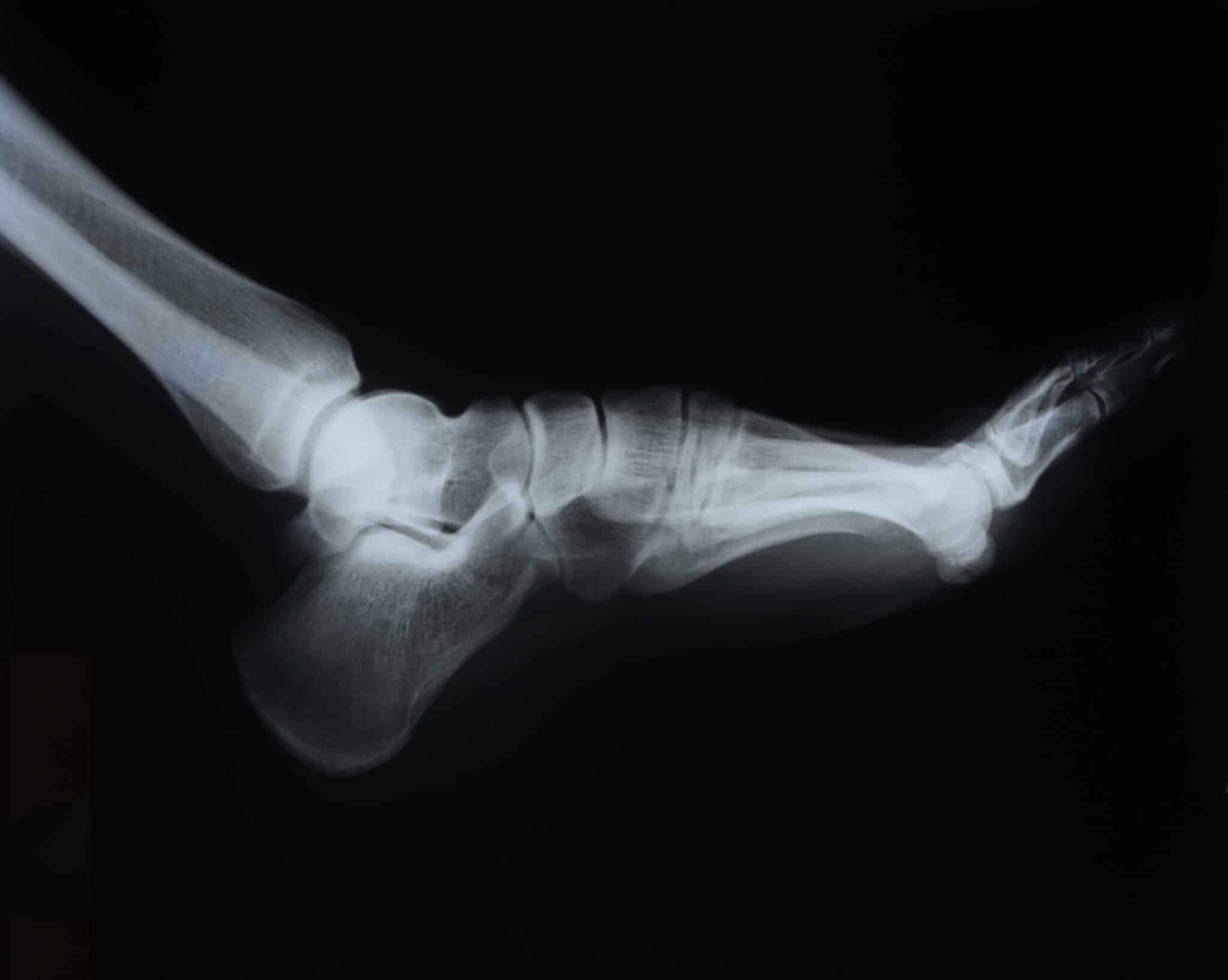
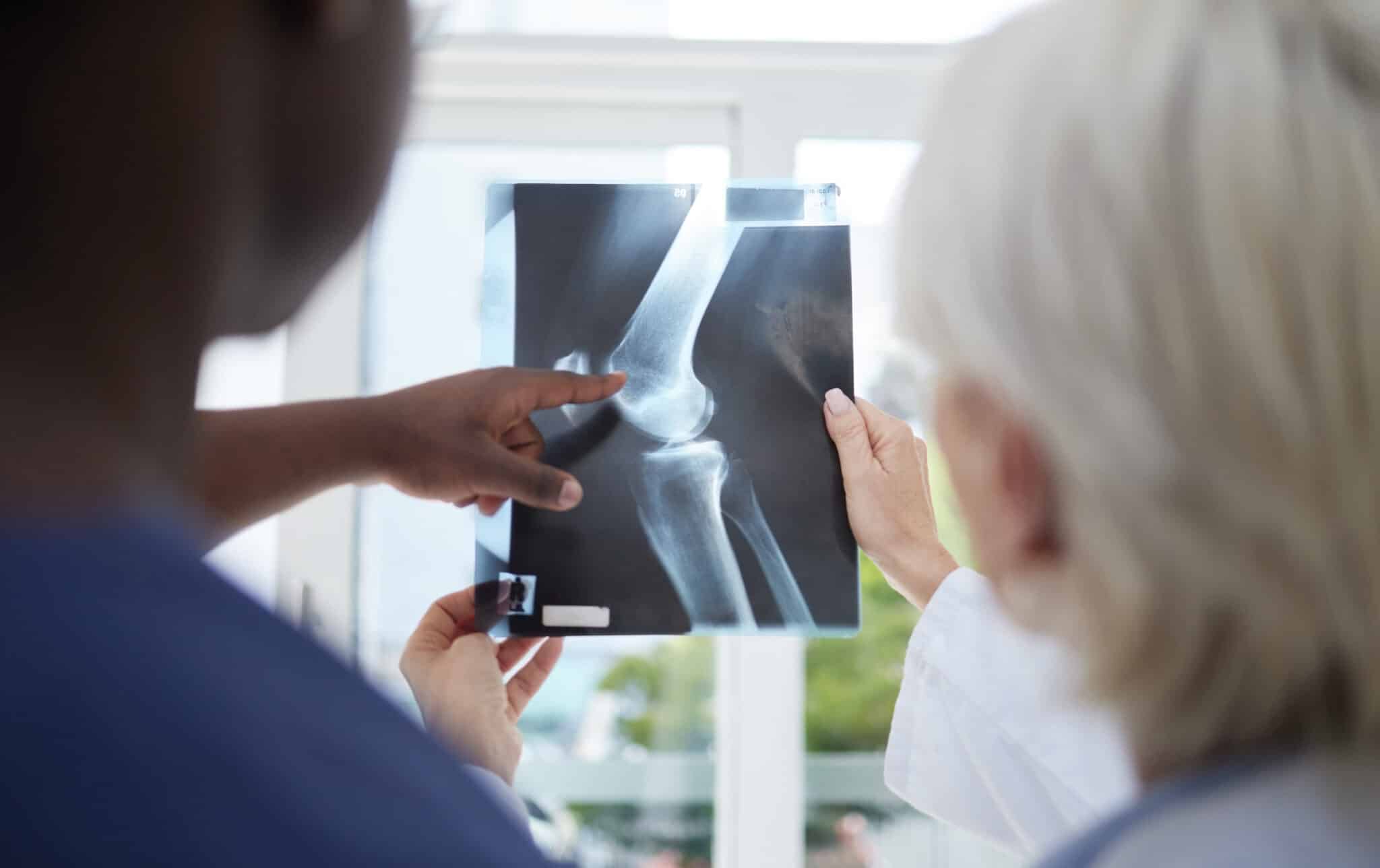
X-rays are often the first imaging test because they can show extra bone clearly. In some cases, other imaging such as MRI or CT may help if we need more detail about soft tissues, cartilage, or nerves.
Treatment depends on whether the spur is causing symptoms, where it is located, and whether it is affecting nearby tissue. Many people improve without surgery.
| Treatment | How it may help |
|---|---|
| Activity modification | Reduces motions that trigger pain or irritation |
| Physical therapy | Improves strength, flexibility, and joint mechanics |
| Medication | May help control pain and inflammation when appropriate for the individual and guided by a healthcare professional |
| Injections | May reduce inflammation in selected cases |
| Surgery | May be considered if symptoms continue despite other treatment |
Nonoperative care is often the first step. This may include changing certain activities, doing targeted exercises, and using anti-inflammatory medication when appropriate for you and directed by a healthcare professional.
If the spur is pressing on a tendon, limiting motion, or narrowing a nerve space and symptoms do not improve, surgery may be an option. The type of surgery depends on the area involved and the underlying problem.
Surgery is not needed for every bone spur. It is usually considered only when symptoms are persistent and clearly tied to the spur or the joint damage around it.
At OrthoNJ, we look at the full picture before recommending surgery. Imaging findings matter, but they must match your symptoms and exam.
It is a good idea to seek medical care if joint pain, stiffness, or weakness is not getting better, or if symptoms are interfering with work, exercise, sleep, or daily tasks.
A proper evaluation can help tell whether a bone spur is actually the cause of your symptoms or whether another issue is involved.
No. Many bone spurs do not cause any symptoms and are found only on imaging.
A bone spur itself usually does not disappear on its own. Treatment focuses on reducing symptoms and improving function when the spur is causing a problem.
Not everyone does, but bone spurs are common in joints affected by osteoarthritis.
The best way to know is through an exam and imaging reviewed together. A spur seen on an X-ray is not always the source of pain.
If you are dealing with joint pain, stiffness, or motion limits, OrthoNJ can evaluate your symptoms and help you understand the next steps.
This treatment info is for informational purposes only. Treatment and recovery vary person to person, and you should consult with your treating physician and team for details on your treatment and recovery process.
Contact one of OrthoNJ's locations spread out through all of New Jersey.