Recovering from knee replacement takes time, effort, and a clear plan. Recovery speed varies widely from person to person and can depend on overall health, the type of surgery, how the knee responds after surgery, and the surgeon's preferences. The timelines below are approximate, not guarantees. If you have questions about your own progress, the team at OrthoNJ can help you understand what is normal and what needs attention.
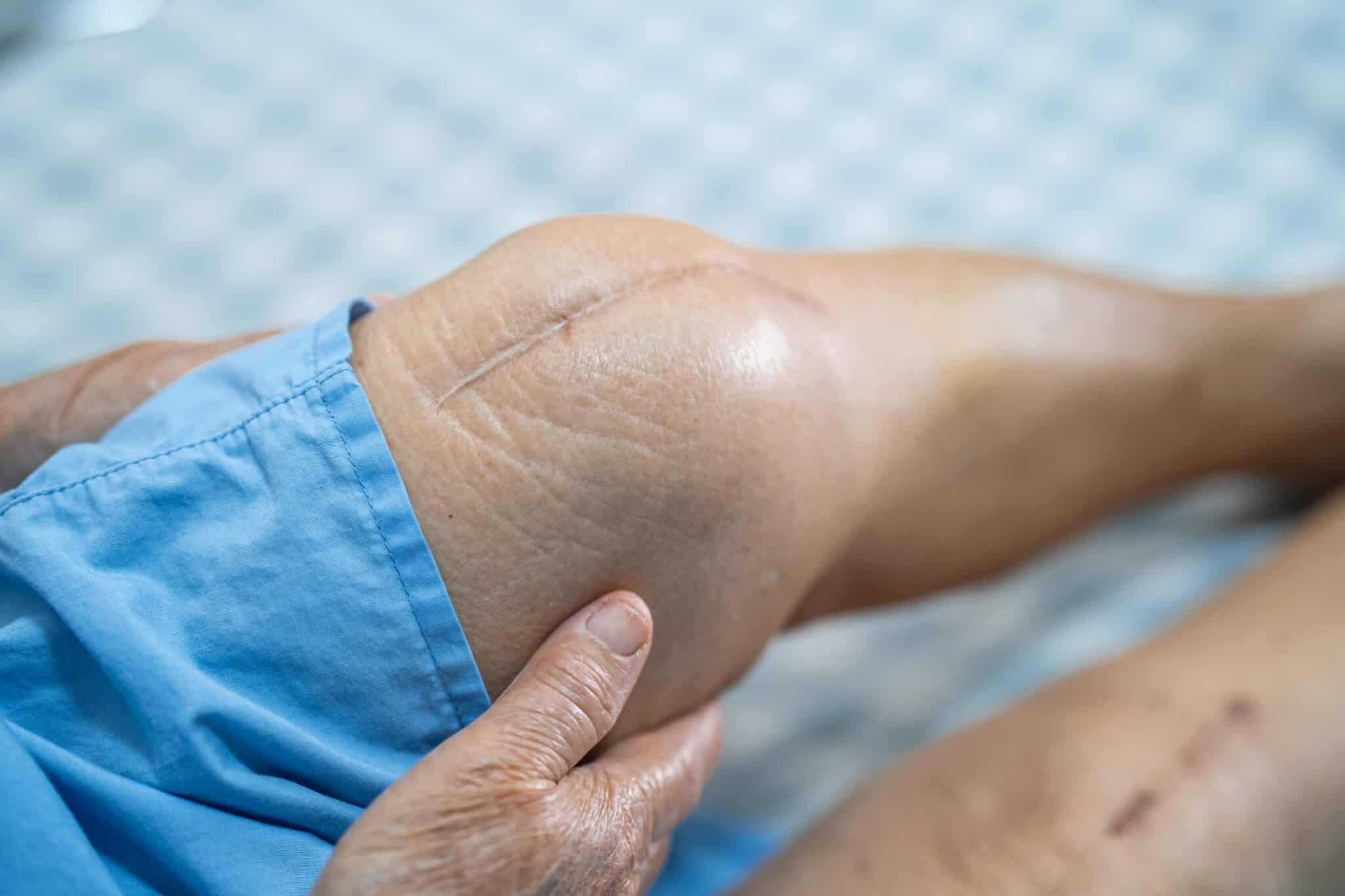
A knee replacement replaces damaged joint surfaces with artificial parts designed to improve pain and function. Recovery does not happen all at once. Most people improve step by step over weeks and months as swelling eases, motion returns, and strength builds, but the pace is different for each patient.
Rehabilitation is a major part of recovery after knee replacement. Exercise and guided movement help reduce stiffness, improve walking, rebuild leg strength, and support a safe return to daily activities.
Your care plan may include physical therapy in the hospital, at home, or in an outpatient clinic. The exact schedule varies, and regular movement is often important from the early stages onward when your surgeon and hospital team say it is safe for you.
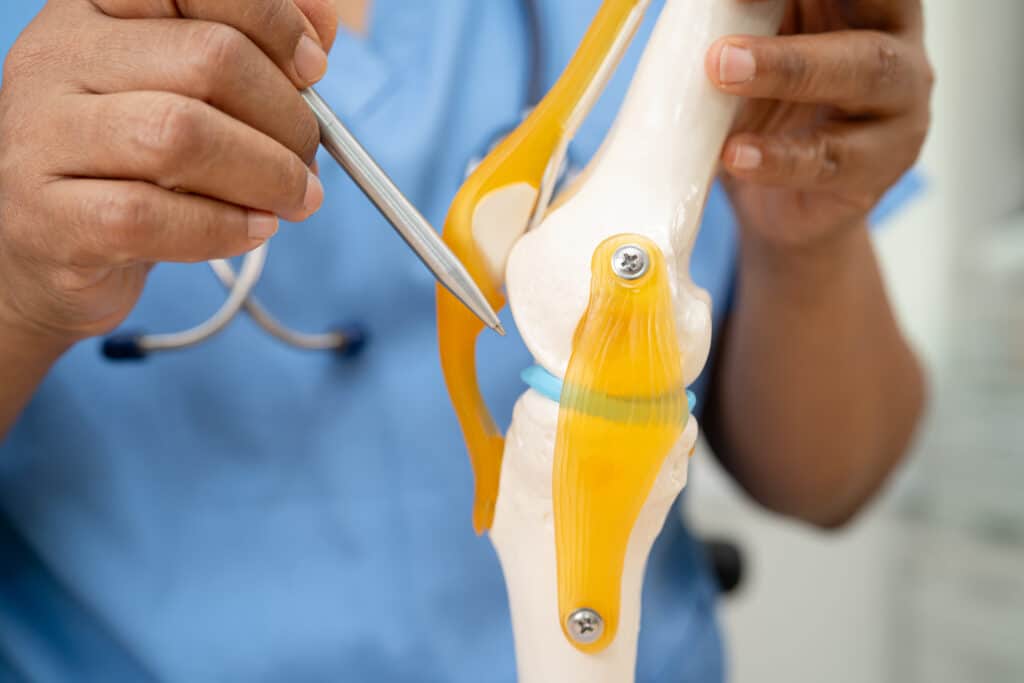
Many people are surprised by how much their own work affects the outcome. Doing the exercises you are given, staying active within your limits, and protecting the knee from overdoing it all matter.
At OrthoNJ, we remind patients that recovery is a process, not a race. Some days feel easier than others, and that can be normal.
Many patients begin standing and walking with help shortly after surgery when their surgeon and hospital team say it is safe for them. Your team may have you use a walker or other support device while you learn to move safely. Some patients start later if they have complications, complex surgery, or other medical conditions.
Pain, swelling, and fatigue are common early on. These symptoms can make the first part of recovery challenging, but they usually improve with time, medication as directed, movement, and rest.
Recovery timelines vary from person to person. Age, overall health, strength before surgery, home support, the type of surgery, surgeon preferences, and how consistently you follow your rehab plan can all affect progress. The periods below are approximate and may be shorter or longer for you.
| Recovery period | What many patients experience |
|---|---|
| First few days | Walking with help when your surgeon and hospital team say it is safe, starting exercises as directed, and learning safe movement at home or in the hospital |
| First few weeks | Gradual improvement in pain and swelling, better knee motion, and increasing independence with daily tasks |
| About 4 to 6 weeks | Many people walk more comfortably and rely less on assistive devices, depending on their progress and surgeon guidance |
| Several months | Strength, endurance, and function continue to improve as rehabilitation continues |
Even when you are doing well, the knee may still feel stiff or swollen at times during the early months. Continued improvement often happens gradually rather than all at once.
Therapy plans differ, but most focus on a few key goals. These goals help you move more normally and return to everyday activities with greater comfort and confidence.
Not everyone recovers at the same pace. Some people move ahead quickly, while others need more time because of stiffness, swelling, pain, weakness, or other medical issues. Type of surgery and surgeon-specific instructions can also influence the pace of recovery.
Small daily habits can make recovery smoother. Follow the instructions from your surgeon and therapy team, and do not compare your progress too closely to someone else’s.
Return to activities depends on your progress and on your surgeon’s guidance. Some routine tasks become easier within a few weeks, while others take longer. Recommendations can differ depending on which knee was operated on, your recovery, local laws, and insurance requirements.
| Activity | General recovery note |
|---|---|
| Walking around the house | Often begins very early with support when your surgeon and hospital team say it is safe |
| Using stairs | Often practiced early, but comfort and confidence improve over time |
| Driving | Only after explicit clearance from your surgeon, when you are off medications that impair alertness or reaction time such as opioids or certain sedatives, and when you can safely control the pedals and perform an emergency stop. Timing varies depending on which knee had surgery, your reaction time, pain control, and local laws or insurance requirements. |
| Returning to work | Depends on job demands and your recovery progress |
| Recreational activity | Low-impact activities are often easier to return to than high-impact ones |
Always check with your surgeon before returning to driving, work, or exercise routines. What is safe for one patient may not be right for another.
Some symptoms need prompt medical attention. Contact your surgeon or orthopedic practice promptly if you notice any of the following:
If you have severe chest pain, difficulty breathing, or sudden significant shortness of breath, call emergency services right away, such as 911, or go to the nearest emergency department. If you are unsure whether a symptom is expected, it is best to ask. The OrthoNJ team can help guide you toward the right next step.
Knee replacement can reduce pain and improve function, but recovery still requires patience. It is normal for progress to come in stages. You may have better days and harder days along the way.
The goal is steady improvement over time. If you stay engaged in rehabilitation and follow your care plan, you give yourself the best chance for a strong recovery.
If you are preparing for knee replacement or have questions during recovery, OrthoNJ can help. A personalized plan, clear follow-up, and the right support can make the process easier to manage.
This page provides general education only and does not replace medical advice. Always follow your own surgeon’s specific instructions about activity, medications, and follow-up.
This treatment info is for informational purposes only. Treatment and recovery vary person to person, and you should consult with your treating physician and team for details on your treatment and recovery process.
Contact one of OrthoNJ's locations spread out through all of New Jersey.