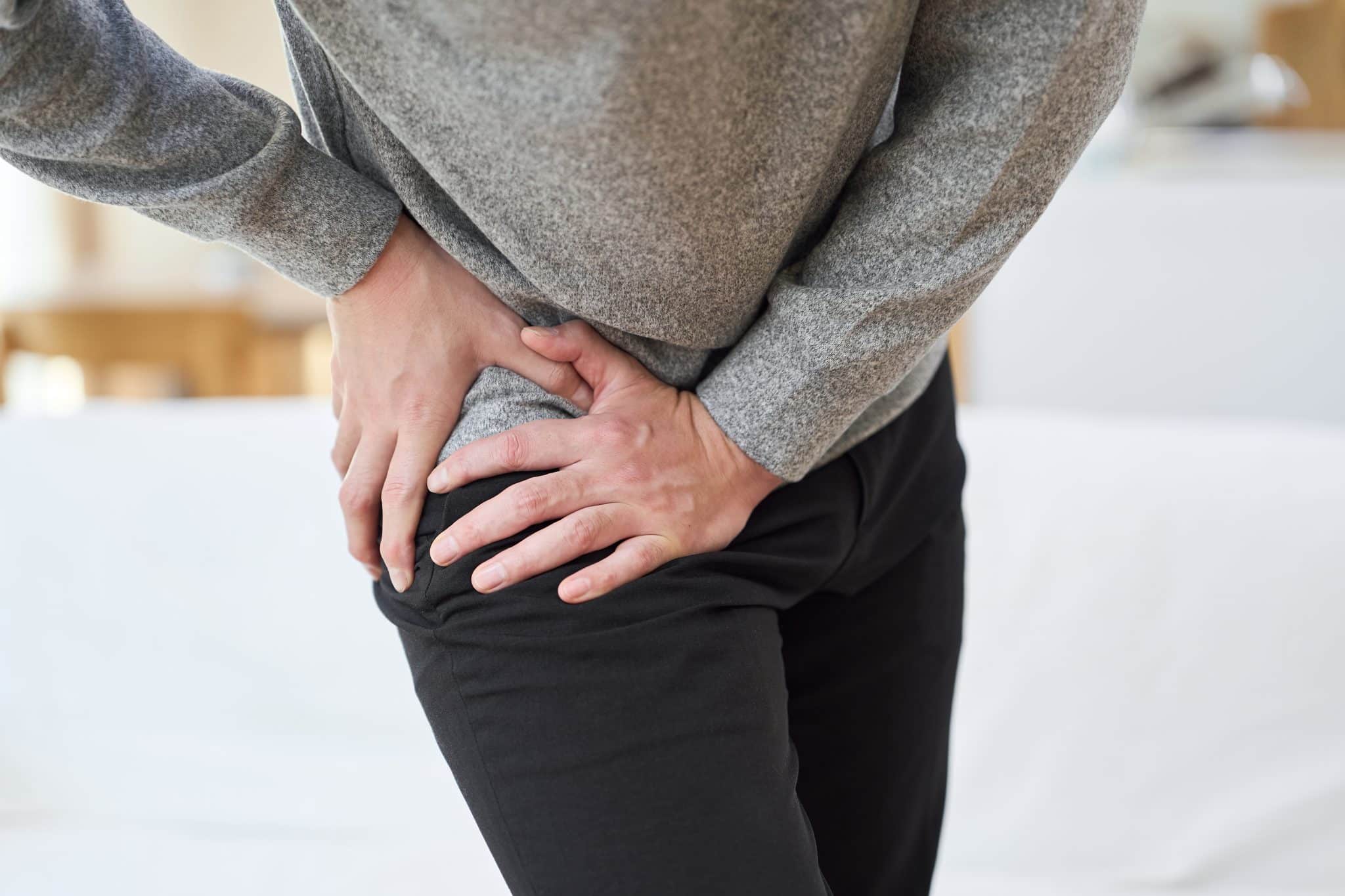
When there is pain or a sense of tightness on the outside of the hip or thigh, it can put a damper on walking, running and other forms of exercise. The iliotibial band, or IT band for short, is responsible for stabilizing the leg in concert with the surrounding soft tissues and muscles. To ease any discomfort stemming from the IT band, the stretches that follow are a good way to work on the muscles and tissue of the outer hip and thigh. Should the problem persist, OrthoNJ is available to assess what is behind the pain.
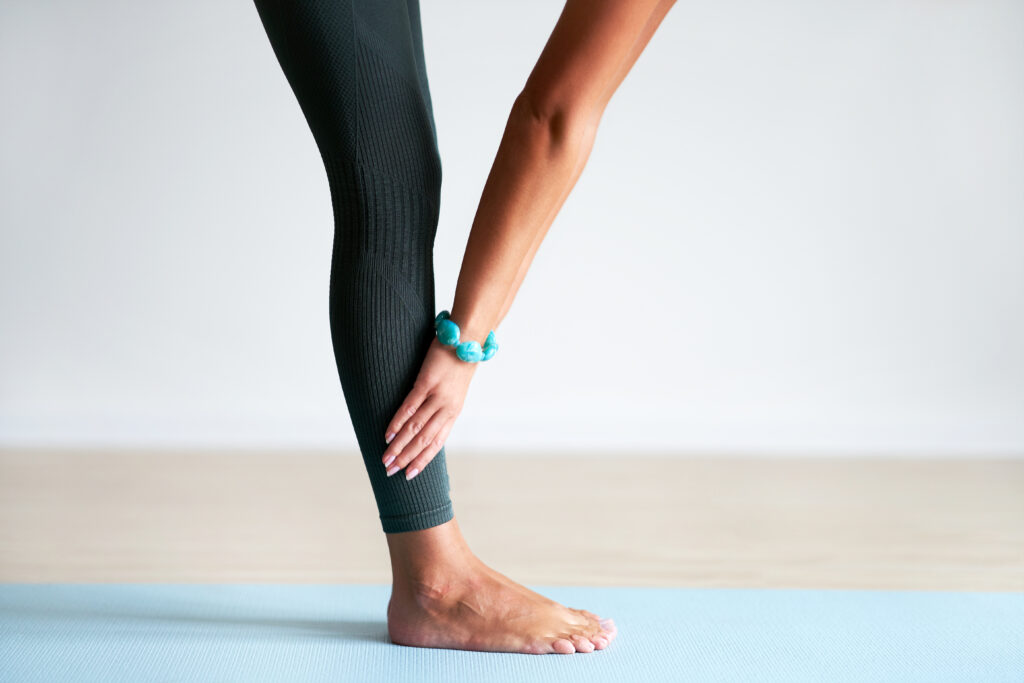
Running the length of the outer thigh is the IT band, a substantial piece of connective tissue.
From the hip down to the outside of the knee, it provides the leg with stability as you walk or runs in concert with the surrounding hip muscles. Should the tissues in that vicinity get overloaded or put under strain by certain movement patterns, it is not uncommon to feel some irritation manifesting as discomfort in the outer knee, thigh or hip.
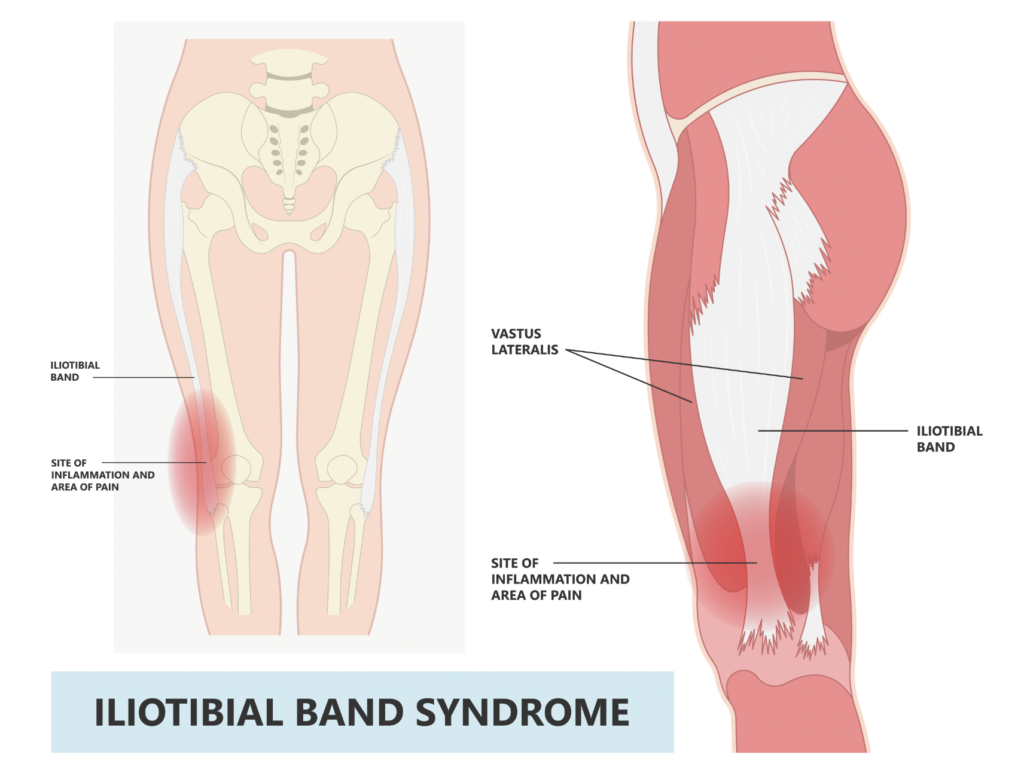
There is a tendency for symptoms to be tied to the mechanics of how the hip, pelvis and leg function in concert with one another when active. For some, the outer leg can be put under stress by a high volume of training, or from the knee being bent and straightened over and over again; weakness in the hip and altered movement patterns are other culprits.
Rather than a case of one tight band of tissue, it is frequently a matter of what the outer hip and thigh have to bear in terms of load, the strength of the muscles that support them and the way an individual moves. While “IT band issue” is the common term for it, the discomfort can radiate through a number of surrounding tissues. A thorough evaluation is therefore warranted if the pain is persistent.
A proper stretch is to be done with a gentle touch, not one that is sharp or overbearing. Take your time and maintain an even breath; should you experience any instability, numbness or an increase in pain, discontinue the movement.
Where there is a recent injury or swelling of any consequence, or if walking is made difficult by pain, do not embark on a new stretching regimen without first consulting a medical professional.
You will find these stretches to be a standard way of working the soft tissue and muscles of the outer thigh and hip, an area often at the root of IT band trouble. The idea is to hold them with care and go through the motions on either side, though you should follow any other instructions from your doctor or therapist.
| Stretch | Where you may feel it | General tip |
|---|---|---|
| Standing cross-over | Outer hip and outer thigh | Keep your chest upright and avoid bouncing |
| Wall supported side lean | Side of the hip and thigh | Use the wall for balance if needed |
| Supine strap stretch | Outer thigh and hip | Move only to a mild stretch, not pain |
| Figure four stretch | Outer hip and buttock | Keep your neck and shoulders relaxed |
| Side lying stretch | Outer hip and upper thigh | Use slow, controlled movement |
There is more to it than just stretching. In fact, clinical guidelines and the research point to a combination of stretching with activity modifications and strengthening as the way to get the best outcome.
You see better results when load management and recovery are taken into account, not to mention strength and training habits. A sound plan will often include work on the core and hips, and where necessary, some alteration of running or movement technique.
You should not assume that tight soft tissue is the sole culprit for ongoing pain in the hip or the lateral side of the knee. There are other factors at work, such as load and movement patterns, or a lack of strength. In some cases, issues with the tendons, bursae, lower back or the joints themselves can present in much the same way.
When symptoms are recurrent, an examination is the best way to get to the bottom of it. The team at OrthoNJ will assess your activity level, how you move, where you have tenderness and the nature of your symptoms in order to put together an appropriate treatment plan.
What we put in place for treatment is a matter of what is behind your symptoms. From the exam, your doctor will determine if you're a candidate for activity modifications, a guided therapy program, some strengthening or gait work, or other measures. Stretching can be a useful component of the plan, though with anything that is persistent it seldom suffices on its own.
We are after more than a temporary fix. The idea is to improve how you move and reduce the chance that the pain will keep returning.
Should you find that pain in the outer hip, thigh or knee is getting in the way of your normal routine, OrthoNJ is here to assess the situation and put you on the right course. We can determine what is needed, be it some strengthening and stretches, a change in your activities, or an examination of where else the discomfort may be coming from.
Please note this piece is meant for general educational purposes; it does not take the place of individual medical counsel.
This treatment info is for informational purposes only. Treatment and recovery vary person to person, and you should consult with your treating physician and team for details on your treatment and recovery process.
Contact one of OrthoNJ's locations spread out through all of New Jersey.