Shoulder pain can come from several different problems, including irritation of muscles and tendons, joint wear, instability, inflammation, or pain that starts somewhere else and travels to the shoulder. Sudden or severe shoulder pain with chest pain, shortness of breath, sweating, jaw pain, or other signs of serious illness may be related to the heart or another non-musculoskeletal cause and needs immediate emergency evaluation, such as calling 911. In this guide, we explain common causes, symptoms to watch for, how shoulder pain is evaluated, and when it makes sense to see a specialist at OrthoNJ.
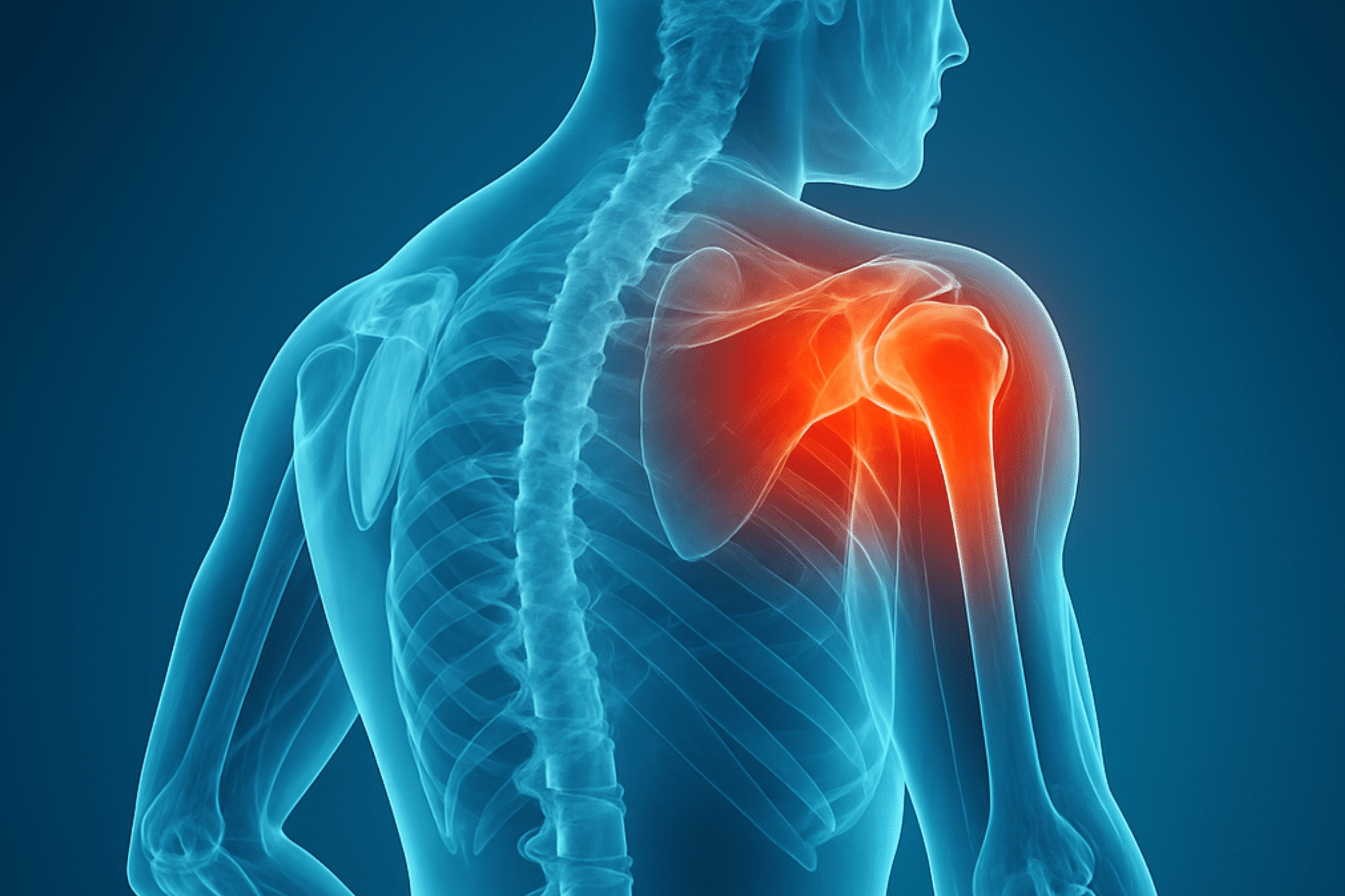
The shoulder is a complex joint with a wide range of motion. That flexibility helps you reach, lift, and throw, but it also means several structures can become painful or injured.
Because many shoulder conditions feel similar at first, a careful exam is important. The right diagnosis helps guide treatment and helps you avoid doing more of what may be making the pain worse.
Not all shoulder pain starts in the same place or for the same reason. Pain may come from the rotator cuff, the bursa, the biceps tendon, the shoulder joint, the neck, or even from problems outside the musculoskeletal system.
That is why we look at more than just where it hurts. At OrthoNJ, your provider considers how the pain started, what motions bring it on, whether you have weakness or stiffness, and whether the pain travels down the arm or toward the neck.

The shoulder includes bones, cartilage, tendons, muscles, ligaments, and fluid-filled sacs called bursae that reduce friction. If any of these structures become inflamed, torn, unstable, or worn down, pain can follow.
Some conditions begin suddenly after a fall or sports injury. Others build up gradually over time from repetitive motion, age-related changes, or posture and mechanics.
Several conditions may lead to pain in or around the shoulder. The exact cause often depends on your age, activity level, how long symptoms have been present, and whether there was a specific injury.
The pattern of your pain can offer important clues. Night pain, pain with overhead activity, stiffness, weakness, or a popping sensation may each suggest a different type of shoulder problem.
| Symptom pattern | What it may suggest |
|---|---|
| Pain when reaching overhead or behind your back | Rotator cuff irritation, impingement, or bursitis |
| Marked stiffness with trouble moving the arm in many directions | Frozen shoulder |
| Deep aching and grinding with activity | Arthritis |
| Shoulder slipping, popping out, or feeling unstable | Instability or dislocation |
| Pain in the front of the shoulder | Biceps tendon irritation |
| Pain that starts in the neck or travels below the shoulder | Possible referred pain from the neck |
Rotator cuff conditions are among the most common reasons people develop shoulder pain. The tendons may become inflamed from overuse, aging, or repeated overhead activity, and sometimes they develop partial or full tears.
You may notice pain when lifting the arm, weakness, or discomfort when lying on that side at night. Some tears happen suddenly after an injury, while others develop slowly over time.
The bursa helps tissues glide smoothly in the shoulder. When it becomes irritated, it can swell and become painful, especially with lifting or reaching.
Impingement refers to pressure on the tendons or bursa during motion. This often causes pain in a certain arc when raising the arm.
Frozen shoulder causes both pain and significant stiffness. People often notice that everyday motions, such as reaching into a cabinet or fastening clothing, become difficult.
This condition usually develops gradually and can last for months. It may become more likely after an injury, surgery, or a period of limited shoulder use.
Arthritis in the shoulder means the smooth cartilage in the joint is wearing down. As that protective surface becomes thinner, movement can become painful and less smooth.
You may feel deep joint pain, stiffness, or grinding. Symptoms often get worse over time and may interfere with sleep, dressing, and reaching activities.
The shoulder is the most mobile joint in the body, which also means it can be less stable than other joints. In some people, the ball of the upper arm bone may slip partly or fully out of the socket.
This may happen after a traumatic injury, or it may recur if the joint remains loose. People often describe a slipping sensation, sudden pain, or fear that the shoulder will give way.
Not every painful shoulder has a primary shoulder problem. A pinched nerve or arthritis in the neck can cause pain that spreads into the shoulder and arm.
In some situations, shoulder pain can also be related to medical conditions outside the bones, muscles, and joints. That is one reason ongoing or unusual shoulder pain should not be ignored.
Evaluation usually starts with a medical history and physical examination. Your provider will ask how the pain began, whether it is getting worse, which movements trigger it, and whether you have weakness, numbness, or stiffness.
The physical exam may include checking the range of motion, strength, areas of tenderness, and stability. Imaging may also be used when needed to better understand the cause. The choice of imaging depends on the clinical exam, and many cases can initially be managed without MRI.
There is no single treatment that fits every cause of shoulder pain. Care depends on what structure is involved, how severe the problem is, how long symptoms have lasted, and what your daily activity goals are.

At OrthoNJ, treatment may include rest, activity changes, physical therapy, medication guidance, injections in appropriate cases, or surgery when needed. The goal is to reduce pain, improve function, and help you return safely to daily activities.
You should seek medical attention if shoulder pain is severe, follows a fall or other injury, or keeps you from using the arm normally. It is also important to be checked if the shoulder looks deformed, feels unstable, or if you cannot lift the arm.
If your symptoms are not improving or you are not sure what is causing the pain, an evaluation at OrthoNJ can help identify the problem and outline next steps.
During your visit, we focus on understanding how your shoulder pain affects your daily life. We review your symptoms, examine the shoulder carefully, and determine whether imaging or treatment should begin right away.
Some patients improve with conservative care alone. Others may need more advanced treatment depending on the diagnosis, their activity level, and how much the condition limits their function.
If shoulder pain is interfering with sleep, work, exercise, or daily tasks, it may be time for a professional evaluation. The specialists at OrthoNJ can help determine the cause and recommend a treatment plan that fits your needs.
This article is for general education and is not a substitute for personal medical advice. For guidance specific to your condition, schedule an appointment with an OrthoNJ provider.
This treatment info is for informational purposes only. Treatment and recovery vary person to person, and you should consult with your treating physician and team for details on your treatment and recovery process.
Contact one of OrthoNJ's locations spread out through all of New Jersey.