This article explains what a muscle strain is, why it happens, common symptoms, how doctors diagnose it, treatment options, and what recovery usually involves. It’s written to help you understand your choices and prepare for a visit with your OrthoNJ care team if you need one.
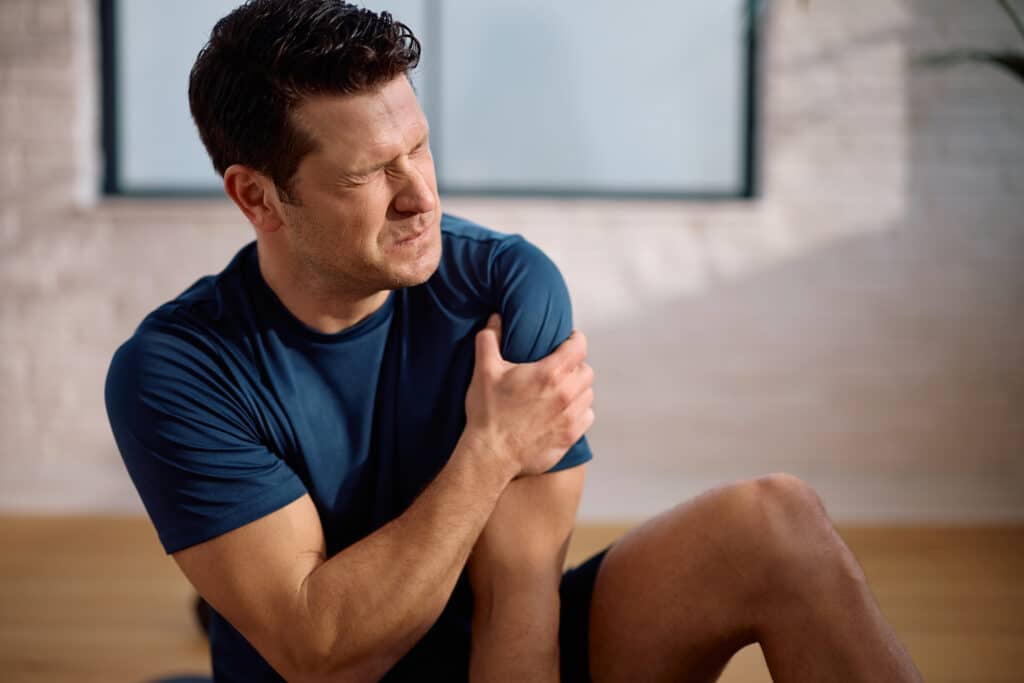
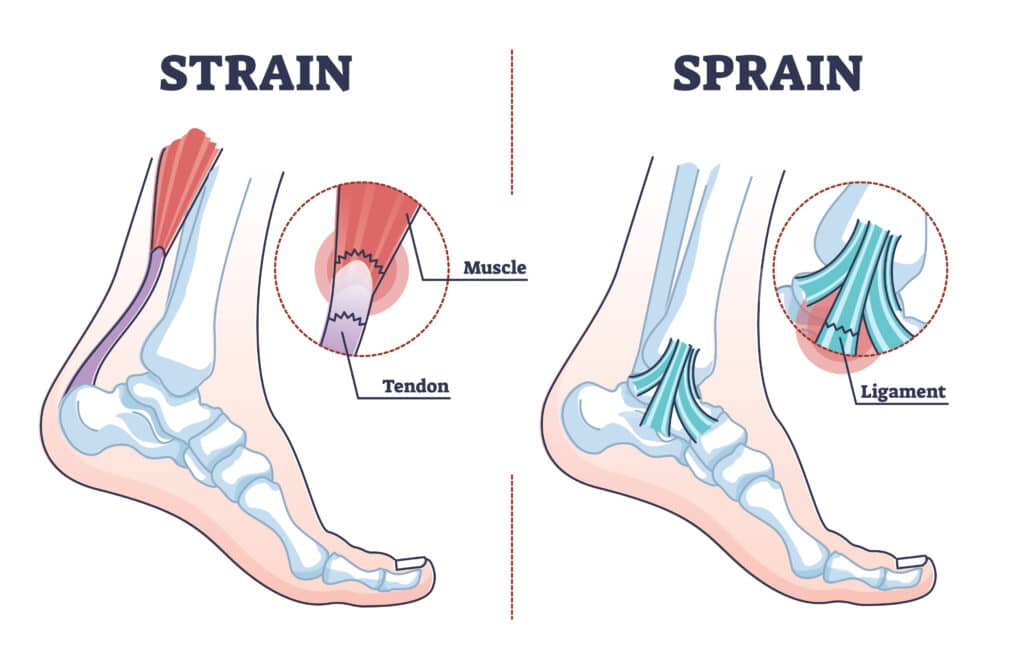
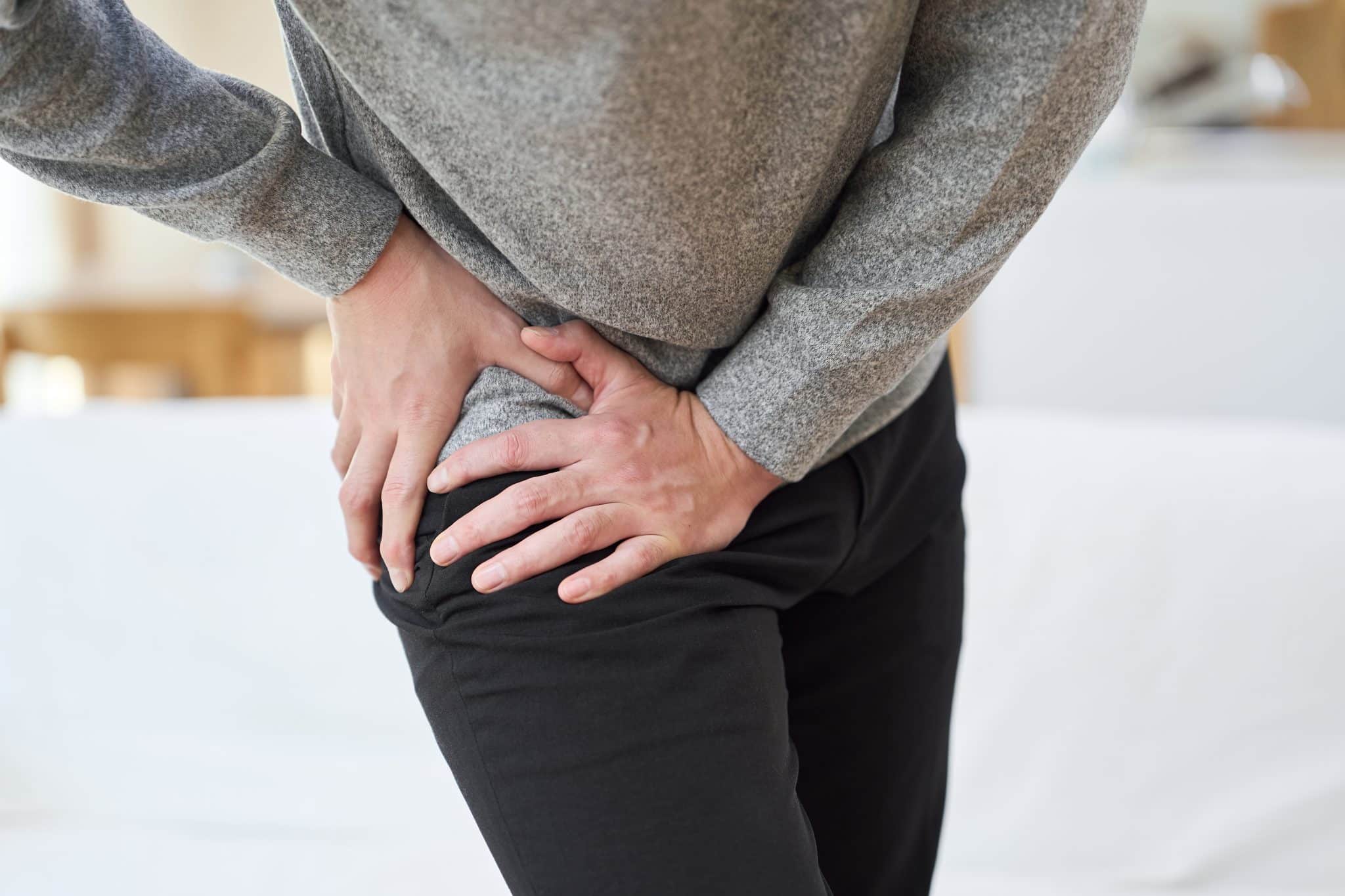
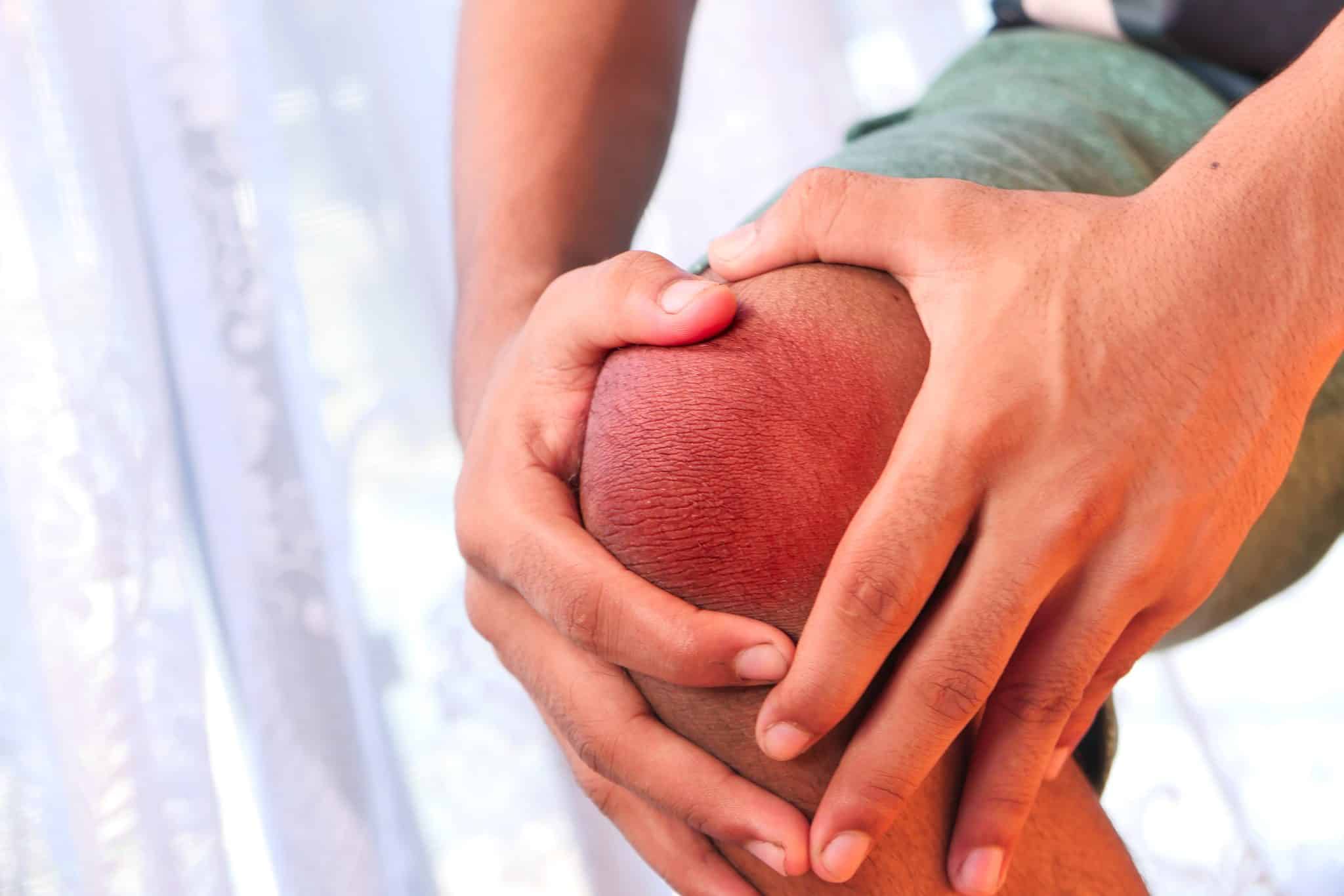
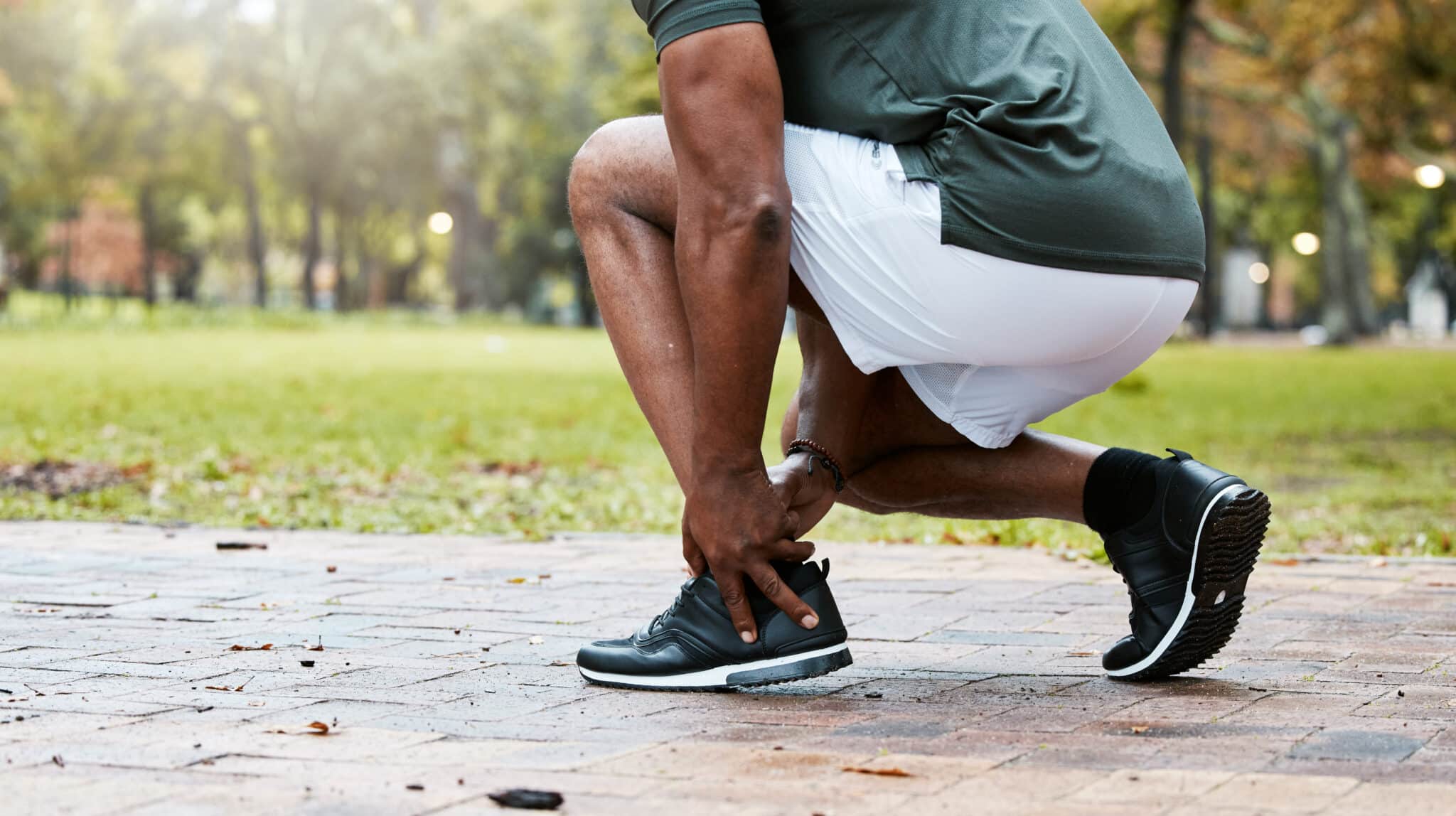
A muscle strain happens when muscle fibers are stretched beyond their limit or torn. This can occur suddenly, such as during a quick sprint, or gradually from overuse. Strains can be mild with only soreness, or more severe with significant pain, weakness, and bruising.
At OrthoNJ, we often see muscle strains in people who are active in sports or physical work, but they can affect anyone. Understanding how strains occur and how to treat them early can help you heal more fully and lower the chance of long-term problems.
A muscle strain is an injury where some of the tiny fibers that make up a muscle are overstretched or torn. The injury can involve the muscle itself or the tendon, which is the tough tissue that connects muscle to bone. Doctors sometimes call this a “pulled muscle.”
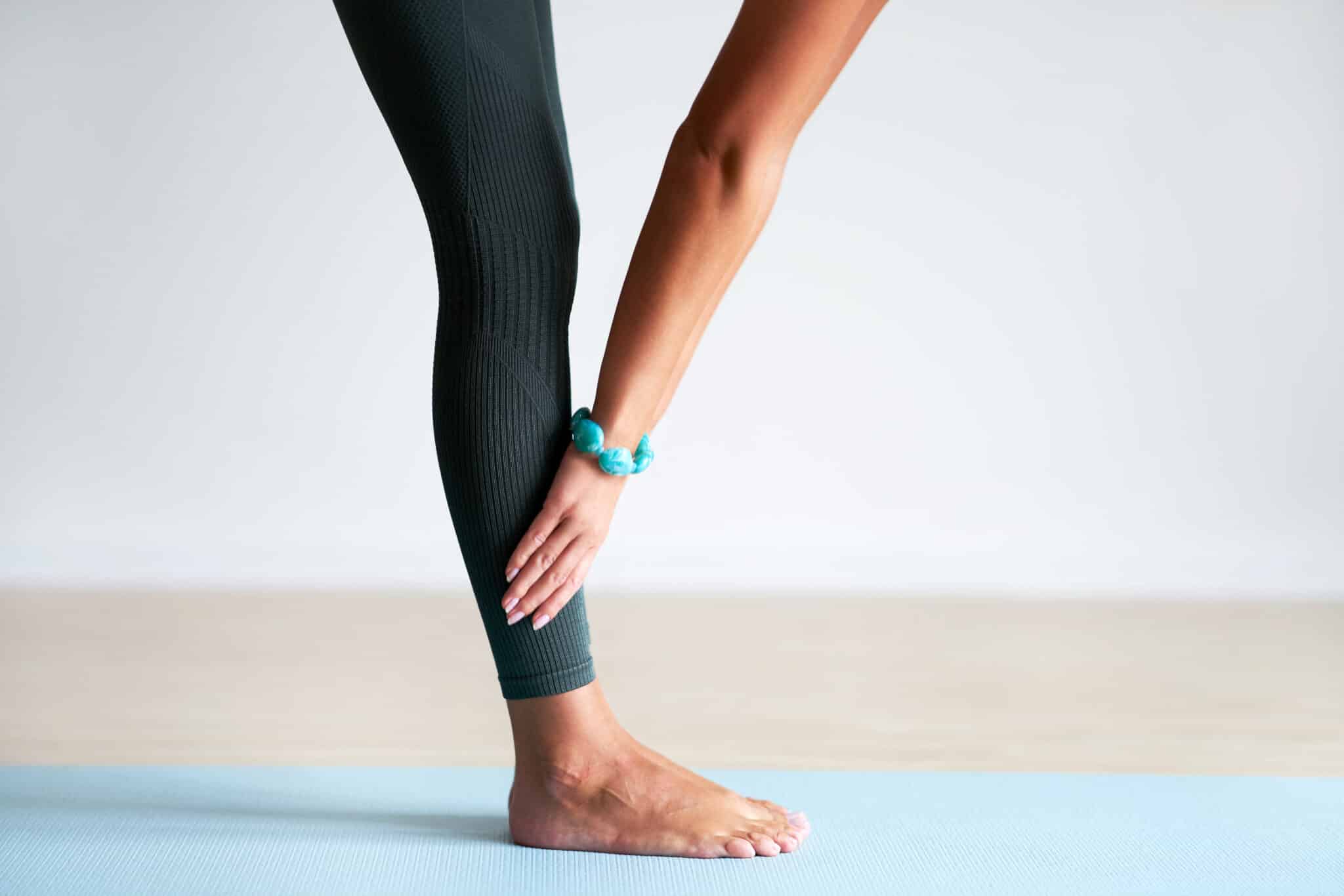
Strains can happen in any muscle, but they’re most common in muscles that cross more than one joint or work very hard during sports and daily activities. Typical areas include the hamstrings, quadriceps, calf, groin, low back muscles, and shoulder muscles.
Muscle strains usually occur when the muscle is asked to do more than it’s ready for, especially if it contracts forcefully while being stretched at the same time. This type of movement is called an eccentric contraction, which means the muscle lengthens while it is contracting, such as when slowing a limb down.
Doctors describe muscle strains in three grades based on how many fibers are involved and how much function is affected. Knowing the grade helps guide treatment and recovery expectations.
| Grade | Description | Typical Features |
|---|---|---|
| Grade 1 (mild) | Small number of muscle fibers overstretched or slightly torn | Mild pain and tenderness, little or no strength loss, usually no or minimal swelling |
| Grade 2 (moderate) | Larger portion of the muscle fibers torn | Noticeable pain, swelling, decreased strength, possible bruising, pain with movement |
| Grade 3 (severe) | Complete tear of the muscle or tendon | Severe pain at first (sometimes less after the tear is complete), major weakness, significant swelling or bruising, sometimes a visible defect in the muscle |
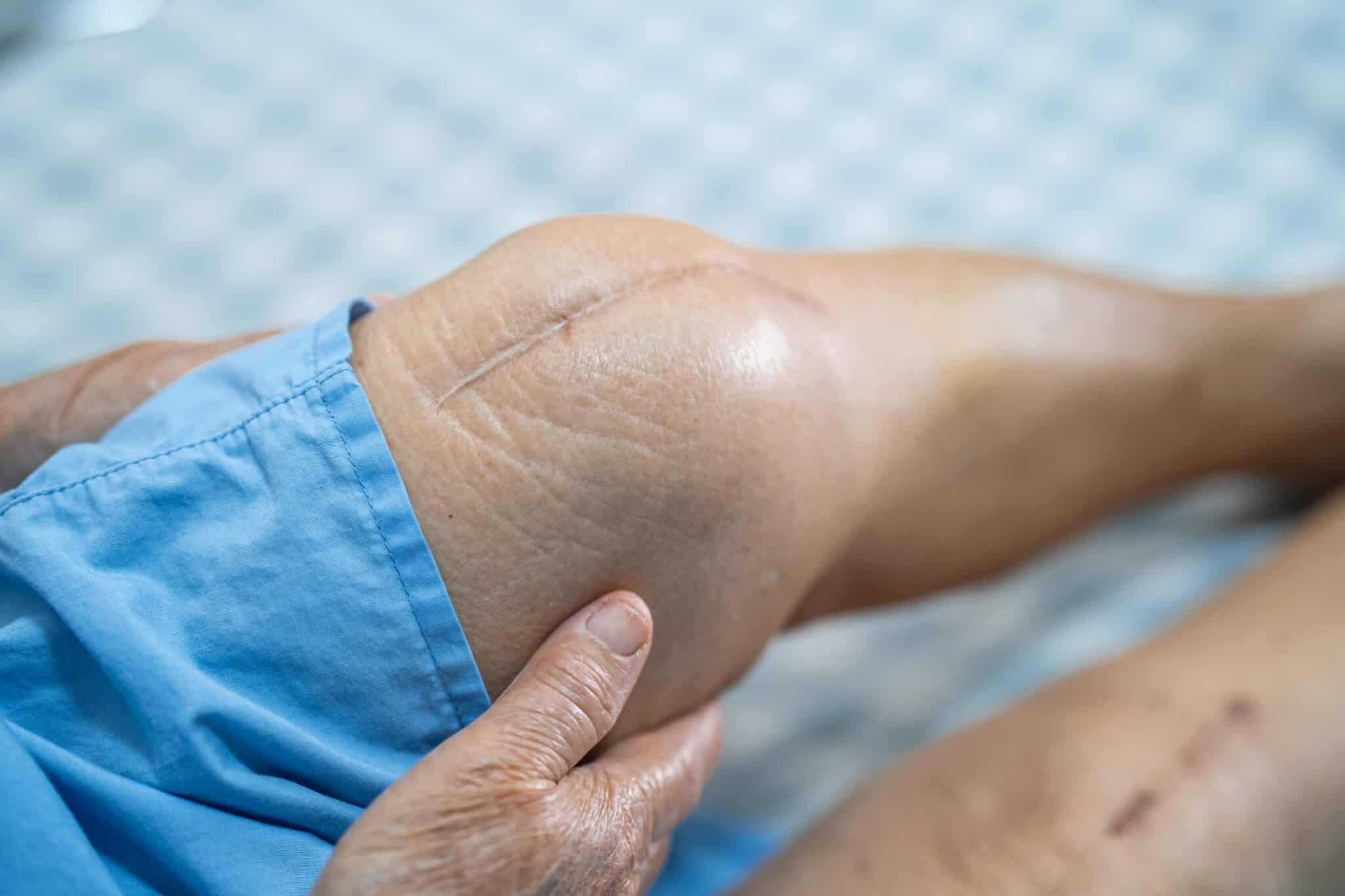
Grades 1 and 2 strains are much more common than complete tears. A grade 3 strain may sometimes need surgical repair, depending on the muscle involved, how active you are, and how the injury affects your function.
Symptoms usually appear at the time of injury, although mild strains can be more noticeable later the same day or the next morning. The pattern of symptoms often tells your doctor how serious the strain may be.
Symptoms from a strain can overlap with other problems, such as ligament sprains or fractures. That’s why a careful exam is important if you’re unsure about the injury.
Evaluation starts with a complete history and physical exam. Your doctor will ask how the injury happened, what you felt, whether you heard or felt a pop, and what makes symptoms better or worse.
During the exam, your doctor checks the injured area for tenderness, swelling, bruising, and any defects in the muscle. They will look at joint motion and test strength in a careful, controlled way to avoid making the injury worse. In adolescents, strains near growth areas may overlap with tendon or apophyseal injuries, which can change how the injury is managed.
Imaging may be used in some cases:
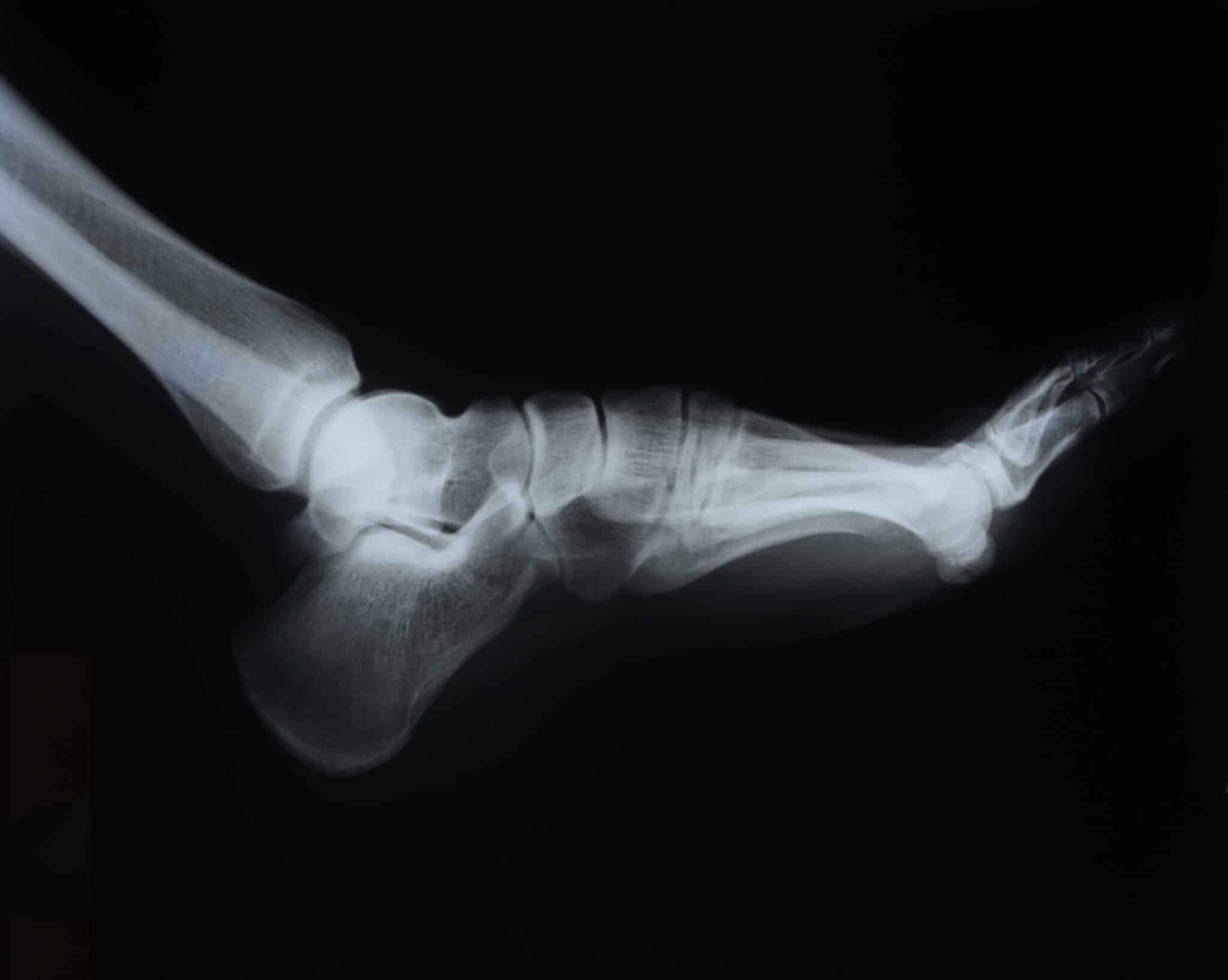
Most mild strains do not need advanced imaging. Your OrthoNJ provider will recommend tests only if they are likely to change your treatment plan or if a more serious injury is suspected.
For many mild to moderate strains, early self-care focuses on protecting the area and limiting swelling. This is often enough to start the healing process while you decide whether you need an in-person evaluation.
If pain is severe, you can not put weight on the limb, or you notice a large deformity, skip home management and seek medical care promptly.
Treatment depends on the grade of the strain, the muscle involved, your activity level, and your goals. Many muscle strains improve with non-surgical care. Surgery is reserved for specific severe injuries.
Rehabilitation is one of the most important parts of treatment for a muscle strain. It helps the injured fibers heal in a way that restores strength, flexibility, and control while lowering the chance of another injury in the same area.
Your OrthoNJ provider or physical therapist will adjust your program based on your symptoms, the grade of the strain, and your everyday or sports demands. Progress should be steady but not rushed, and pain is used as a guide for how quickly to advance.
Healing time varies with the grade of the injury, the specific muscle, your general health, and how closely you follow the treatment plan. The timelines below are general examples, not guarantees. Actual healing often varies with age, overall health, and adherence to rehabilitation.
| Type of Strain | Typical Healing Time Range |
|---|---|
| Grade 1 (mild) | Several days to about 3 weeks |
| Grade 2 (moderate) | 3 to 8 weeks or longer, depending on the muscle and activity level |
| Grade 3 (severe) | Several months, especially if surgery and formal rehab are required |
Returning to full activity too soon can slow healing or cause another strain. Your OrthoNJ clinician or therapist can help decide when it is safe to progress at each step.
While not every injury can be avoided, you can lower your risk of muscle strains with a few practical habits. These steps are especially important if you have had a strain in the past.
Some mild muscle strains can be managed at home, but others need medical attention. It is important to get evaluated promptly if any of the following are present:
If you are unsure how serious your symptoms are, an OrthoNJ provider can examine the injury, order imaging if needed, and design a treatment plan that fits your activities and goals.
When you visit OrthoNJ for a suspected muscle strain, we will review your medical history, examine the injured area, and talk through the activities that matter most to you. If imaging is helpful, we will discuss which tests make sense and how the results may affect treatment.
Treatment plans usually combine activity changes, pain control, and a focused rehabilitation program. Throughout your recovery, we encourage you to ask questions so you understand each step and feel confident about returning to work, exercise, or sports when it is safe.
Every injury and every person is different. Imaging findings, such as muscle or tendon changes on MRI, need to be interpreted together with your symptoms and exam results. Not all changes on a scan require aggressive treatment.
This information is for general education and is not a substitute for personal medical advice. If you think you have a muscle strain or another injury, schedule an evaluation with your OrthoNJ provider or another qualified clinician to discuss the best approach for your situation.
If muscle pain is limiting your activity, keeping you out of sports, or making daily tasks difficult, consider scheduling an exam with OrthoNJ. We can help identify the cause of your symptoms and outline a clear plan to support healing and safe return to the things you enjoy.
Timely assessment and a thoughtful rehab program often make a big difference in recovery and in preventing future strains.
Contact one of OrthoNJ's locations spread out through all of New Jersey.

This treatment info is for informational purposes only. Treatment and recovery vary person to person, and you should consult with your treating physician and team for details on your treatment and recovery process.