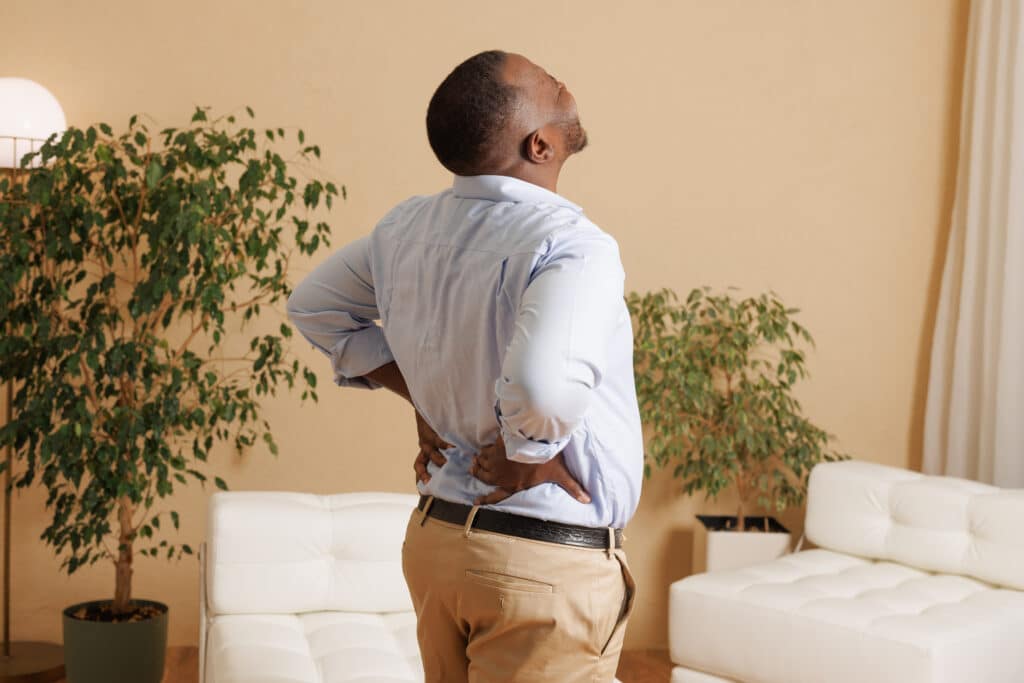
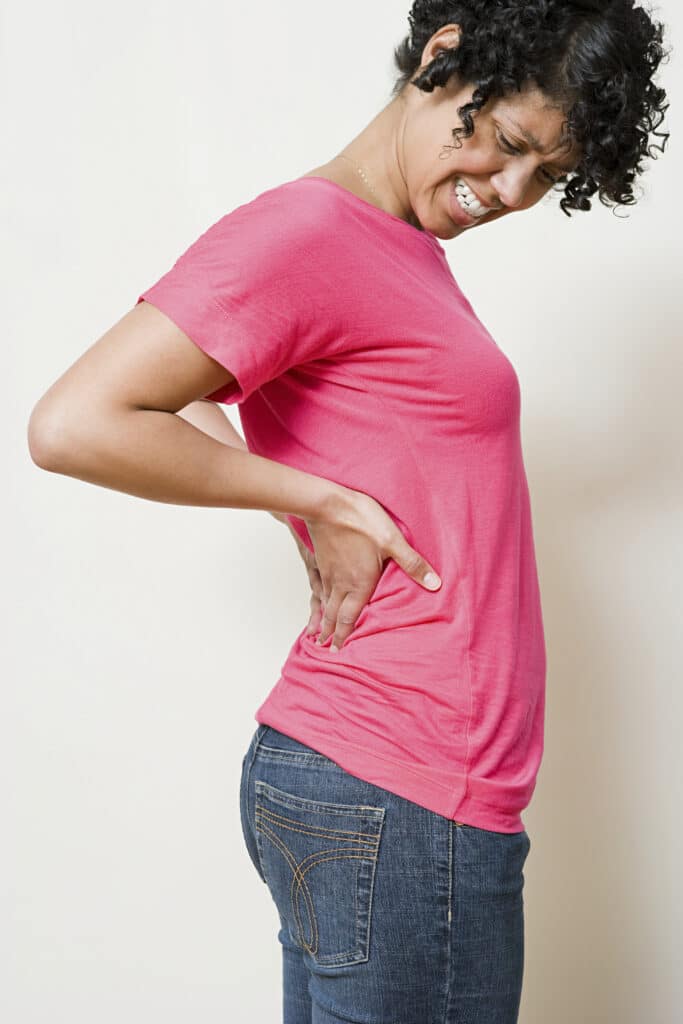
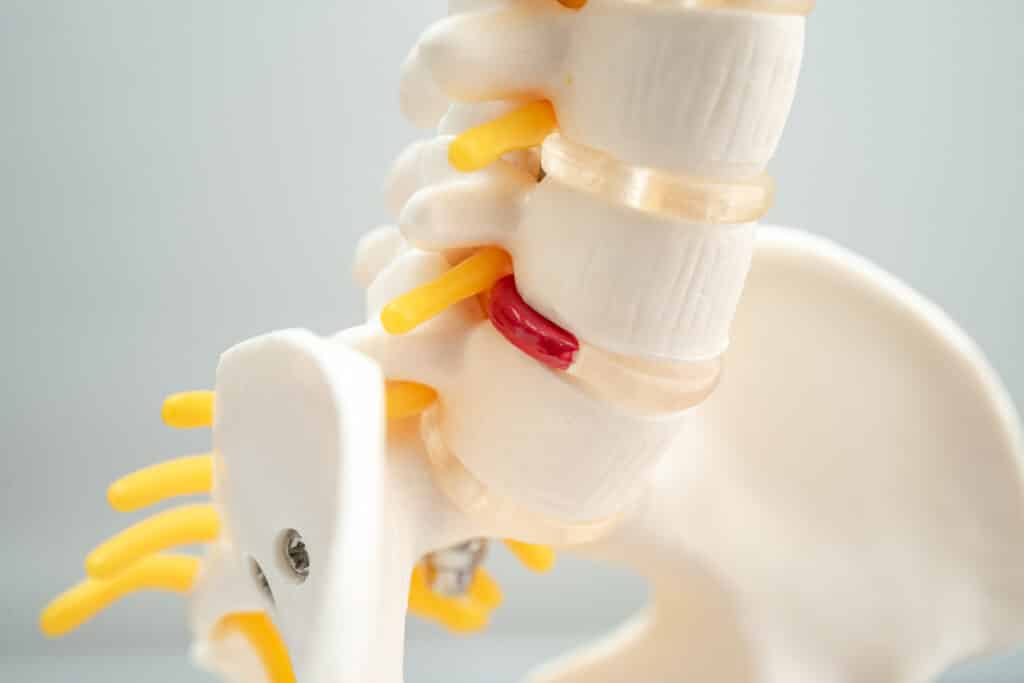
Spondylolisthesis is a spinal condition where one of the vertebrae in the spine slips out of place, usually sliding forward over the bone below it. This can lead to various symptoms, ranging from mild discomfort to severe pain, and in some cases, can interfere with mobility and nerve function. While it can affect any part of the spine, spondylolisthesis most commonly occurs in the lower back (lumbar spine).
Living with spondylolisthesis can be challenging—patients may experience difficulties with walking, standing for extended periods, or participating in everyday activities. Fortunately, with early diagnosis and tailored treatment, many individuals can manage symptoms effectively and maintain an active lifestyle.
What Is Spondylolisthesis?
Spondylolisthesis is derived from Greek words: “spondylo,” meaning spine, and “listhesis,” meaning to slip or slide. The condition occurs when a vertebra (the bones that make up the spinal column) shifts out of its proper alignment. Depending on the degree of the slip, it may place pressure on surrounding nerves and spinal structures. The condition is classified into different grades, from I to V, based on how far the vertebra has moved. Grade I is mild, while Grade V indicates severe displacement.
Spondylolisthesis is not the same as a herniated disc, though the symptoms may overlap. It is also distinct from spondylolysis, which refers to a fracture or defect in a vertebral arch that can lead to or accompany spondylolisthesis.
How Is Spondylolisthesis Different from a Herniated Disc?
With spondylolisthesis, there is a malalignment of the vertebrae, where one vertebral body slips forward over the one beneath it. This misalignment alters the normal curvature and stability of the spine, often causing pressure on nerves and contributing to pain and movement limitations. The slippage typically results from structural weakness or degeneration in the bone itself or supporting joints and ligaments.
A herniated disc occurs when the soft, gel-like center of an intervertebral disc pushes through a crack or tear in the outer portion, often compressing nearby nerves. This condition is more about disc integrity and pressure, whereas spondylolisthesis is about bone position and alignment.
Spondylolisthesis:The malalignment of the vertebrae, where one vertebral body slips forward over the one beneath it.
Herniated Disc:When the soft, gel-like center between two vertebrae (disc) pushes through a crack or tear in the outer portion, often compressing nearby nerves.
It’s important to understand that spondylolisthesis is not the same as a herniated disc, though the two can coexist in the same patient. When both conditions occur together, which is not uncommon, the symptoms can become more complex and severe. A person may experience nerve pain from both misalignment (due to spondylolisthesis) and disc impingement (from the herniation). Treatment plans in such cases require a tailored, multi-faceted approach addressing both the mechanical instability of vertebral slippage and the neurocompressive effects of the disc herniation.
What Causes Spondylolisthesis?
Several factors can contribute to the development of spondylolisthesis. It may occur due to:
Congenital Defects: Some individuals are born with a defect in the spine that predisposes them to vertebral slippage. This type is called dysplastic spondylolisthesis.
Stress Fractures (Isthmic Spondylolisthesis): Repeated stress on the spine, especially in young athletes, can cause tiny fractures in the vertebrae. Over time, these fractures can weaken the bone and allow slippage.
Degenerative Changes: In older adults, wear and tear on the spinal joints, discs, and ligaments can cause instability, leading to degenerative spondylolisthesis. It’s especially common in women over 50.
Trauma: A sudden injury such as a car accident or fall may damage the spine and lead to vertebral slippage.
Post-Surgical Complications: In rare cases, spinal surgery may weaken the spine and result in slippage.
Pathologic Conditions: Diseases such as osteoporosis, tumors, or infections can damage the spinal bones and cause slippage.
Degenerative Spondylolisthesis
Location:
Most commonly occurs in the lumbar spine (L4-L5), where degenerative changes are most pronounced.
Causes:
Age-related joint degeneration
Disc wear and tear
Spinal instability due to ligament laxity
Symptoms:
Chronic lower back pain
Leg weakness
Nerve compression
Reduced spinal flexibility
Treatment:
Physical therapy and core strengthening
Pain management with medications or injections
Bracing for support
Spinal fusion for severe cases
Isthmic Spondylolisthesis
Location:
Most commonly affects the lower lumbar spine (L5-S1), where stress fractures are more likely to occur.
Causes:
Stress fractures in the pars interarticularis
Repetitive strain or overuse in young athletes
Congenital weakness in the vertebral arch
Genetic predisposition to vertebral stress fractures
Symptoms:
Persistent lower back pain
Radiating leg pain or sciatica
Tight hamstrings
Weakness, numbness, or tingling in the legs
Difficulty standing for long periods
Treatment:
Physical therapy to strengthen core muscles
Bracing to limit spinal movement
Pain management with NSAIDs or nerve blocks
Surgical stabilization for severe cases
Traumatic Spondylolisthesis
Location:
Can occur at any spinal level, often resulting from high-impact trauma such as car accidents or falls.
Causes:
Acute fractures or dislocations of the vertebrae
Severe spinal ligament damage
Direct impact injuries
Symptoms:
Sudden, severe back or neck pain
Loss of spinal stability
Nerve damage, including paralysis in severe cases
Possible loss of bladder or bowel control
Treatment:
Immediate immobilization and stabilization
Surgical intervention for severe instability
Rehabilitation and physical therapy
Pain management as needed
Pathologic Spondylolisthesis
Location:
Can affect any part of the spine, often associated with underlying diseases that weaken bone structure.
Causes:
Bone tumors or metastasis
Osteoporosis or bone weakness
Infections like spinal tuberculosis
Congenital bone diseases
Symptoms:
Severe, localized back pain
Neurological symptoms if nerve compression occurs
Spinal deformity in advanced cases
Treatment:
Treating the underlying disease (e.g., cancer therapy, antibiotics for infection)
Surgical stabilization if necessary
Physical therapy for muscle support
Pain management
Dysplastic Spondylolisthesis
Location:
Typically occurs at the lumbosacral junction (L5-S1) due to congenital defects present at birth.
Causes:
Congenital defects in the vertebrae
Genetic predisposition
Abnormal bone formation during fetal development
Structural weakness in the vertebral arch
Symptoms:
Lower back pain from a young age
Postural abnormalities
Leg weakness or muscle imbalance
Changes in gait or walking pattern
Severe cases may involve nerve compression
Treatment:
Surgical correction for severe cases
Physical therapy to improve posture and strength
Bracing for support during growth
Pain management as needed
Why Choose an OrthoNJ Doctor for Your Care?
OrthoNJ is different from your typical medical provider. Unlike many in the industry, we prioritize patient care over profits. Our six divisions work collaboratively to ensure the best outcomes for our patients. We believe in the "Power to Put Patients First," our doctors and divisional partners strive to uphold this commitment to our patients in every aspect of our medical care.
With over 120 fantastic physicians, all board-certified, board-qualified, or fellowship-trained, OrthoNJ offers top-tier expertise across a wide range of specialties.
We serve over 250 communities throughout New Jersey, providing treatment and continuing care for various orthopedic needs.
With more than 30 statewide offices, our reach extends across the entire state. Whether in North Jersey, South Jersey, or anywhere between, OrthoNJ proudly serves you.
Cervical, Lumbosacral, and LumbarSpondylolisthesis
Spondylolisthesis can occur at different levels of the spine. Understanding the differences between cervical, lumbosacral, and lumbar spondylolisthesis is important for accurate diagnosis and personalized care.
1. Cervical Spondylolisthesis (Neck)
Location:
This type of spondylolisthesis occurs in the cervical spine (C1 to C7), which forms the neck region. It is less common than lumbar spondylolisthesis but can have significant neurological impacts due to the critical functions of the spinal cord and nerves in this area.
Causes:
Degenerative changes due to aging (cervical spondylosis)
Traumatic injuries, such as whiplash
Congenital abnormalities or genetic conditions affecting vertebral structure
Spinal tumors or infections (rare)
Symptoms:
Neck pain and stiffness
Pain that radiates into the shoulders, arms, or hands
Numbness or tingling in the arms
Muscle weakness in the upper limbs
Difficulty with fine motor skills
Headaches, particularly ones experienced at the base of the skull
In severe cases, myelopathy (spinal cord compression), leading to balance problems and difficulty walking
Treatment:
Physical therapy and posture correction
Pain management with medications or injections
Cervical collar for support in acute cases
Surgical stabilization in severe or progressive cases
2. Lumbar Spondylolisthesis (Lower Back)
Location:
Occurs in the lumbar spine (L1 to L5), the lower back region, which bears a significant portion of the body’s weight and absorbs substantial mechanical stress.
Causes:
Repeated stress or overuse in athletes (isthmic spondylolisthesis)
Degenerative changes, especially in older adults
Congenital weaknesses or defects in the vertebral arch (spondylolysis)
Traumatic injuries or fractures
Symptoms:
Persistent lower back pain, often aggravated by movement
Sciatic pain radiating into the buttocks and legs
Muscle spasms in the lower back
Weakness, numbness, or tingling in the lower extremities
3. Lumbosacral Spondylolisthesis (Base of the Spine)
Location:
Specifically involves the lumbosacral junction (L5-S1), where the lumbar spine meets the sacrum. This is a critical load-bearing junction and a common site for spondylolisthesis.
Causes:
High stress at the lumbosacral junction due to body weight and activity
Isthmic defects or fractures (common in athletes)
Degenerative changes with age
Genetic predisposition to vertebral weakness
Symptoms:
Severe lower back pain radiating to the hips and thighs
Sciatica-like symptoms, including sharp, burning pain down the legs
Changes in bowel or bladder function (in extreme cases)
Significant loss of spinal flexibility
Waddling gait or altered walking pattern
Treatment:
Core strengthening and physical therapy
Pain management and anti-inflammatory medications
Bracing to reduce slippage
Surgical intervention (e.g., fusion or laminectomy) for severe instability or nerve compression
Is Spondylolisthesis Genetic?
Spondylolisthesis can have a genetic component, particularly in cases of dysplastic (congenital) and isthmic types. Individuals born with a thinner or weaker vertebral arch may inherit this structural predisposition. It’s not uncommon to see spondylolisthesis run in families, especially among athletes where early symptoms may be triggered by repetitive spinal stress.
Symptoms of Spondylolisthesis
Symptoms of spondylolisthesis can vary widely depending on the severity and location of the slippage. Some people may have spondylolisthesis and never know it, while others experience significant pain and dysfunction. Common symptoms include:
Lower Back Pain: Often the first and most persistent symptom, this pain may be dull or sharp and worsens with movement or standing for long periods.
Leg Pain and Sciatica: The slippage may compress nerves, causing pain that radiates down one or both legs. This pain is often described as burning, tingling, or numbness.
Tight Hamstrings: Many people with spondylolisthesis have hamstring tightness, which can affect posture and walking.
Muscle Weakness: Nerve compression can cause weakness in the legs or feet.
Difficulty Walking or Standing: Patients may develop a waddling gait or lean forward while walking to reduce nerve pressure.
Loss of Bladder or Bowel Control (Rare): In severe cases, nerve compression may result in cauda equina syndrome—a medical emergency requiring immediate treatment.
How Is Spondylolisthesis Diagnosed?
Diagnosis typically includes:
Physical Examination: A doctor checks for signs of tenderness, limited movement, and neurological deficits.
Imaging Tests:
X-rays: Show vertebral alignment and grade of slippage.
MRI: Reveals nerve compression and soft tissue details.
CT Scans: Provide detailed bone structure images.
Treatment Options for Spondylolisthesis
Treatment depends on the type, severity, and impact on the patient’s lifestyle. Options range from conservative therapies to surgical intervention.
Non-Surgical Treatments
Physical Therapy: Strengthening the core and back muscles helps stabilize the spine and alleviate symptoms.
Pain Management: Over-the-counter medications (NSAIDs), prescription pain relievers, and muscle relaxants can reduce discomfort.
Bracing: Wearing a back brace may help limit movement and promote healing, especially in young patients.
Activity Modification: Avoiding activities that strain the back, such as heavy lifting and certain sports.
Epidural Steroid Injections: These may relieve inflammation and nerve pain for a limited time.
Surgical Treatment
If conservative treatments fail or the condition is severe, surgery may be necessary. Surgical options include:
Spinal Fusion: The most common procedure, fusing two or more vertebrae to prevent further slippage and stabilize the spine.
Laminectomy: Removal of part of the vertebra to relieve pressure on nerves.
Decompression Surgery: In cases of nerve impingement, surgeons may remove bone or tissue to create more space.
Surgical decisions depend on the grade of slippage, nerve involvement, and response to previous treatments.
When to Seek Orthopedic Care
You should see an orthopedic spine specialist if you experience:
Persistent Lower Back Pain: Especially if it interferes with daily life or doesn’t improve with rest and over-the-counter medications.
Leg Weakness or Numbness: Signs that nerves may be compressed.
Radiating Sciatic Pain: Pain that travels down the leg can indicate nerve root involvement.
Changes in Bladder or Bowel Function: This is a red flag and may indicate a spinal emergency.
Worsening Posture or Gait: Any noticeable change in the way you walk or stand should be assessed.
ONJ's spine specialists diagnose complex spinal disorders and can provide comprehensive care, from imaging and conservative treatment to surgical planning.
Spondylolisthesis is a manageable but potentially progressive spinal condition that requires careful monitoring and treatment. Early intervention, especially under the guidance of a qualified orthopedic specialist, can dramatically improve quality of life and prevent complications. Whether caused by genetics, sports-related stress, or degenerative changes, this condition should not be ignored. If you're experiencing symptoms, don’t hesitate to seek expert orthopedic evaluation.
This treatment info is for informational purposes only.Treatment and recovery vary person to person, and you should consult with your treating physician and team for details on your treatment and recovery process.
The cf_use_ob cookie informs Cloudflare to fetch the requested resource from the Always Online cache on the designated port. Applicable values are: 0, 80, and 443. The cf_ob_info and cf_use_ob cookies are persistent cookies that expire after 30 seconds.
session
__cfwaitingroom
The __cfwaitingroom cookie is only used to track visitors that access a waiting room enabled host and path combination for a zone. Visitors using a browser that does not accept cookies cannot visit the host and path combination while the waiting room is active.
session
cf_chl_rc_i
These cookies are for internal use which allows Cloudflare to identify production issues on clients.
session
cf_chl_rc_ni
These cookies are for internal use which allows Cloudflare to identify production issues on clients.
session
cf_chl_rc_m
These cookies are for internal use which allows Cloudflare to identify production issues on clients.
session
__cfruid
Used by the content network, Cloudflare, to identify trusted web traffic.
session
__cf_bm
Cloudflare's bot products identify and mitigate automated traffic to protect your site from bad bots. Cloudflare places the __cf_bm cookie on End User devices that access Customer sites that are protected by Bot Management or Bot Fight Mode. The __cf_bm cookie is necessary for the proper functioning of these bot solutions.
session
__cflb
When enabling session affinity with Cloudflare Load Balancer, Cloudflare sets a __cflb cookie with a unique value on the first response to the requesting client. Cloudflare routes future requests to the same origin, optimizing network resource usage. In the event of a failover, Cloudflare sets a new __cflb cookie to direct future requests to the failover pool.
session
_cfuvid
The _cfuvid cookie is only set when a site uses this option in a Rate Limiting Rule, and is only used to allow the Cloudflare WAF to distinguish individual users who share the same IP address.
session
cf_clearance
Whether a CAPTCHA or Javascript challenge has been solved.
session
__cfseq
Sequence rules uses cookies to track the order of requests a user has made and the time between requests and makes them available via Cloudflare Rules. This allows you to write rules that match valid or invalid sequences. The specific cookies used to validate sequences are called sequence cookies.
session
cf_ob_info
The cf_ob_info cookie provides information on: The HTTP Status Code returned by the origin web server. The Ray ID of the original failed request. The data center serving the traffic
session
These cookies are needed for adding comments on this website.
Name
Description
Duration
comment_author
Used to track the user across multiple sessions.
Session
comment_author_email
Used to track the user across multiple sessions.
Session
comment_author_url
Used to track the user across multiple sessions.
Session
Google Tag Manager simplifies the management of marketing tags on your website without code changes.
Name
Description
Duration
cookiePreferences
Registers cookie preferences of a user
2 years
td
Registers statistical data on users' behaviour on the website. Used for internal analytics by the website operator.
session
Statistics cookies collect information anonymously. This information helps us understand how visitors use our website.
Google Analytics is a powerful tool that tracks and analyzes website traffic for informed marketing decisions.
Contains information related to marketing campaigns of the user. These are shared with Google AdWords / Google Ads when the Google Ads and Google Analytics accounts are linked together.
90 days
__utma
ID used to identify users and sessions
2 years after last activity
__utmt
Used to monitor number of Google Analytics server requests
10 minutes
__utmb
Used to distinguish new sessions and visits. This cookie is set when the GA.js javascript library is loaded and there is no existing __utmb cookie. The cookie is updated every time data is sent to the Google Analytics server.
30 minutes after last activity
__utmc
Used only with old Urchin versions of Google Analytics and not with GA.js. Was used to distinguish between new sessions and visits at the end of a session.
End of session (browser)
__utmz
Contains information about the traffic source or campaign that directed user to the website. The cookie is set when the GA.js javascript is loaded and updated when data is sent to the Google Anaytics server
6 months after last activity
__utmv
Contains custom information set by the web developer via the _setCustomVar method in Google Analytics. This cookie is updated every time new data is sent to the Google Analytics server.
2 years after last activity
__utmx
Used to determine whether a user is included in an A / B or Multivariate test.
18 months
_ga
ID used to identify users
2 years
_gali
Used by Google Analytics to determine which links on a page are being clicked
30 seconds
_ga_
ID used to identify users
2 years
_gid
ID used to identify users for 24 hours after last activity
24 hours
_gat
Used to monitor number of Google Analytics server requests when using Google Tag Manager