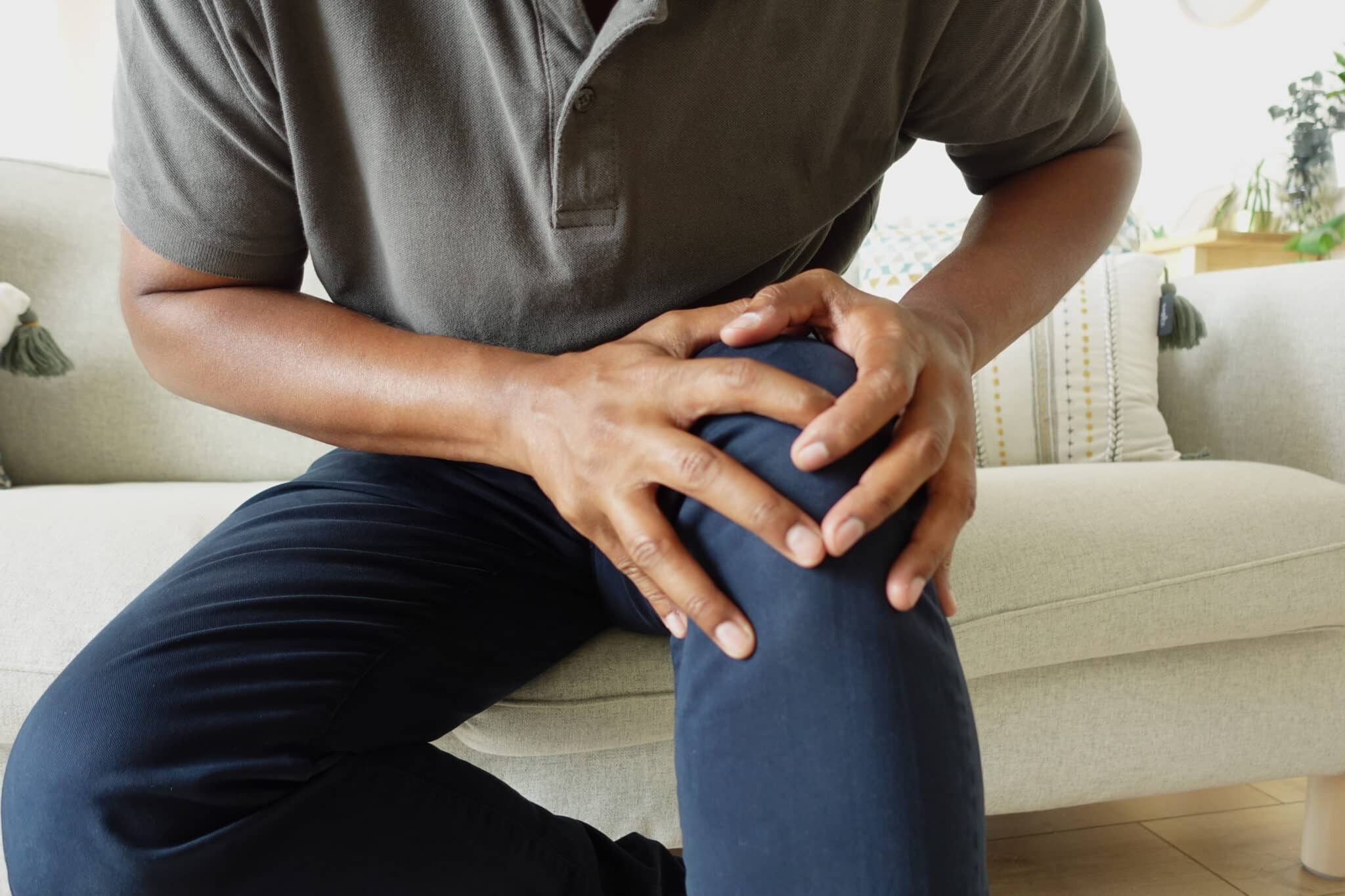
Kneecap injuries can cause pain, swelling, and trouble moving your knee. Here, we explain how the kneecap works, common types of injuries, symptoms to watch for, how doctors diagnose the problem, and the treatments that may help you recover.
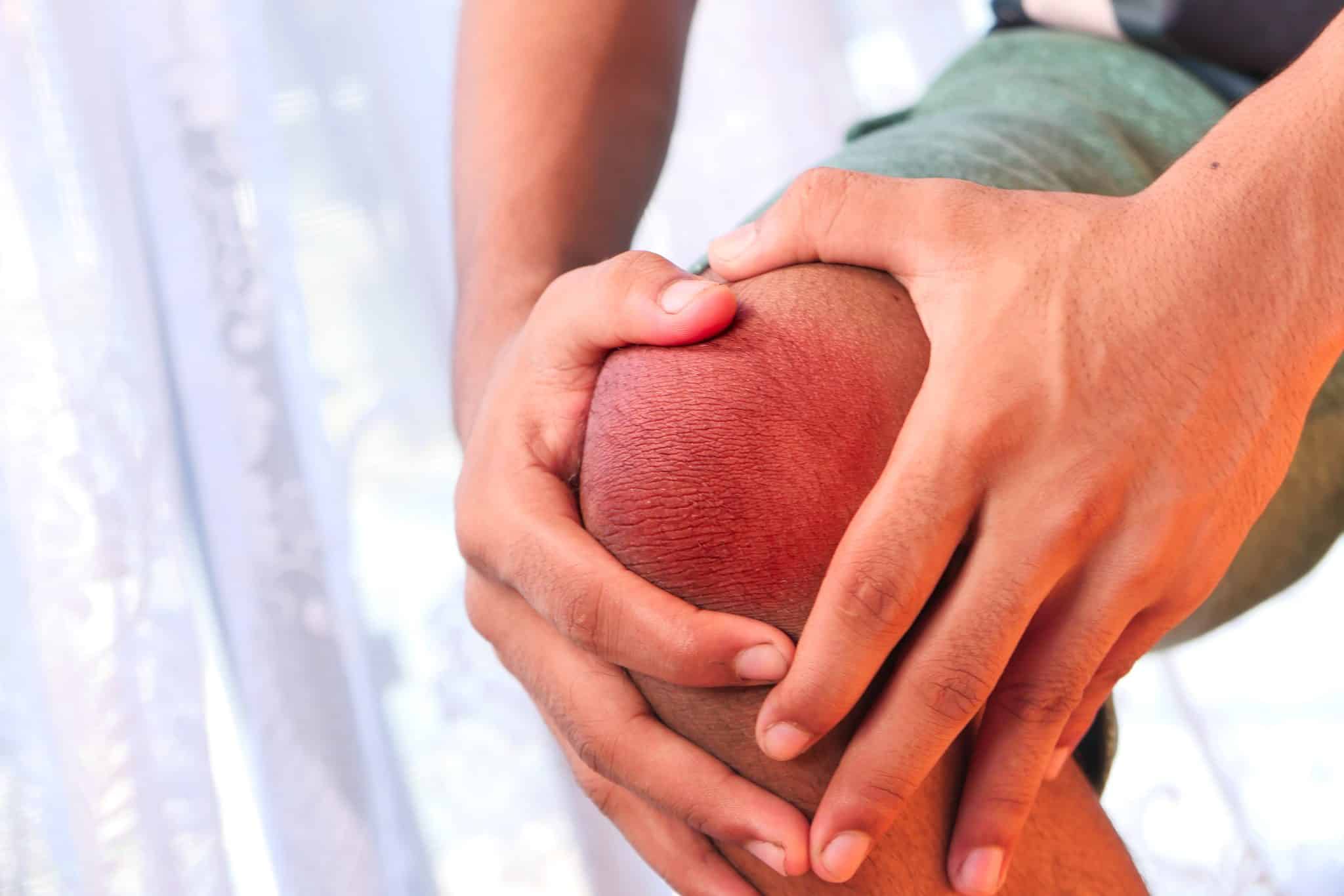
Your kneecap, also called the patella, sits at the front of the knee. It helps protect the joint and improves the way your thigh muscles straighten the leg.
Because the kneecap is involved in bending, straightening, walking, climbing stairs, and sports, it can be injured in several ways. At OrthoNJ, we evaluate kneecap injuries carefully so we can recommend treatment that fits your symptoms, activity level, goals, injury type, and any related injuries.
Kneecap injuries may happen after a direct blow, a fall, a twisting injury, or over time from repeated stress. Some injuries affect the bone itself, while others involve the cartilage, tendons, or ligaments around it.
These problems can happen in athletes, active adults, and children, but they can also affect anyone after a sudden injury.
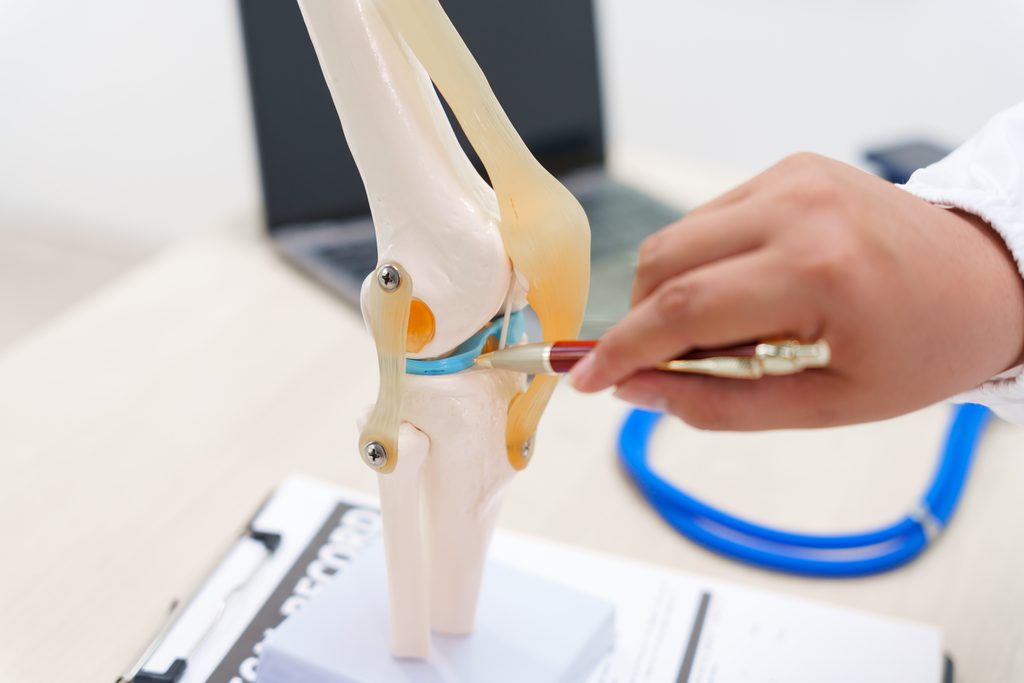
The kneecap needs to move smoothly in a groove at the end of the thigh bone. If it breaks, shifts out of place, or irritates the cartilage, normal movement can become painful and less stable.
Even a single dislocation can stretch the soft tissues that help hold the kneecap in place. That can raise the chance of future episodes in some people.
Symptoms depend on the type of injury and how severe it is. Some injuries cause sudden, intense pain, while others lead to ongoing discomfort with activity.
If the kneecap is fractured or fully dislocated, you may not be able to move the knee normally. In other cases, symptoms may improve a little after the injury but continue with stairs, squatting, running, or sports.
Diagnosis starts with a physical exam and a discussion of how the injury happened. Your doctor will look at swelling, tenderness, motion, alignment, and whether the kneecap feels stable.
Imaging is often used to better understand the injury and rule out related damage. X-rays are the most common test, while MRI and CT scans are used selectively based on the exam and the type of injury suspected.
| Test | What it helps show |
|---|---|
| X-ray | Bone alignment, fractures, and signs that the kneecap moved out of place |
| MRI | Cartilage, ligaments, tendons, and other soft tissue injuries around the kneecap |
| CT scan | More detailed bone imaging in selected cases, especially complex fractures |
Your symptoms, exam findings, and imaging results are considered together. This helps OrthoNJ decide whether rest and rehabilitation are enough or if you may need a procedure.
Treatment depends on the exact injury. Many kneecap problems improve without surgery, and some first-time dislocations and some nondisplaced fractures may also be managed without surgery under close medical supervision, but some need more support or surgical care to restore stability and function. Decisions about bracing, immobilization, and surgery are individualized based on the injury type, severity, patient age, activity level, and any associated injuries.
For example, a simple kneecap dislocation may be treated at first with bracing and therapy. A displaced fracture or ongoing instability may require surgery to improve alignment and support healing.
Recovery depends on the type of injury, whether surgery was needed, and how well the knee responds to rehabilitation. Some people recover in a matter of weeks, while others need a longer period of guided rehab. Recovery timelines can vary widely, and complex fractures, recurrent dislocations, or major tendon injuries may take several months to fully rehabilitate.
Physical therapy is often a key part of treatment. Rehab may focus on reducing swelling, restoring motion, strengthening the muscles around the knee and hip, and helping the kneecap move more smoothly.
| Recovery phase | Main goal |
|---|---|
| Early phase | Control pain and swelling, protect the knee, begin safe motion if advised |
| Middle phase | Improve range of motion and rebuild strength |
| Later phase | Return to walking, exercise, work, or sports as safely as possible |
It’s important not to rush back too soon. Returning to sports or heavy activity before the knee is ready can increase the risk of another injury.
You should seek medical care if you have symptoms that suggest a significant kneecap injury, especially after a fall, twist, or direct blow to the knee.
If your kneecap injury is limiting daily activity, work, or sports, OrthoNJ can evaluate your knee and explain the treatment options that make the most sense for you.
Yes, some first-time kneecap dislocations are treated without surgery using bracing, rest, and physical therapy. The best choice depends on your exam, imaging, and whether there are associated injuries.
Both can cause pain and swelling, and it’s not always possible to tell without an exam and imaging. X-rays are commonly used to look for a fracture or signs of dislocation.
Many patients do. Therapy can help improve motion, strength, balance, and kneecap tracking so you can return to activity more safely.
They can. Some patients are more likely to have repeat instability or ongoing pain, especially after a dislocation or cartilage injury. Follow-up care and rehab can help lower that risk.
This treatment info is for informational purposes only. Treatment and recovery vary person to person, and you should consult with your treating physician and team for details on your treatment and recovery process.
Contact one of OrthoNJ's locations spread out through all of New Jersey.