An ankle that hurts with every step can slow down daily routines, make exercise difficult, and change the way you move. Sometimes the pain begins after a clear injury. Other times it develops gradually from repeated stress, wear in the joint, or another medical problem.
The ankle is responsible for carrying body weight, helping with balance, and absorbing force with each step. Because so many structures work together in a small space, pain can come from the joint itself, nearby tendons, supporting ligaments, or even a problem elsewhere in the foot and leg.
Some causes settle down with conservative care, while others should be checked more quickly. If pain is making it hard to walk, swelling is persistent, or the ankle no longer feels dependable, an orthopaedic evaluation can help identify the source.

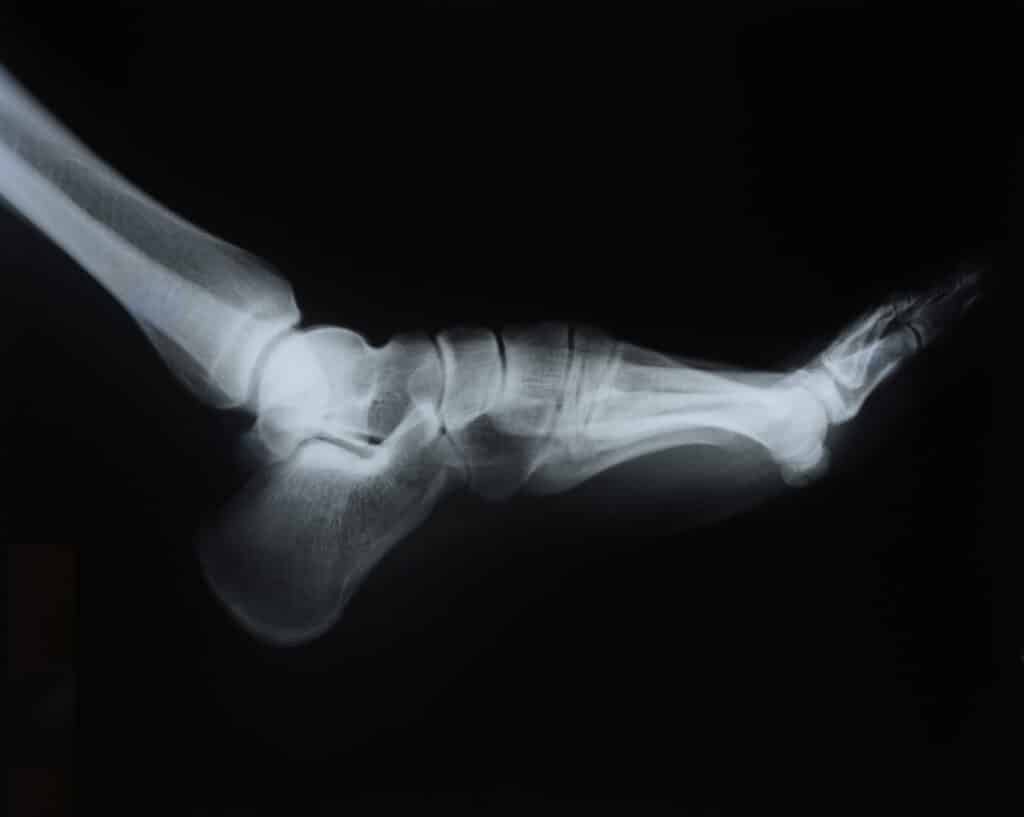
Several different structures can contribute to ankle pain while walking. Understanding the basics can make it easier to see why symptoms vary so much from one person to another.
Ankle pain with walking is a symptom, not a diagnosis. Doctors often sort the possible causes into a few broad groups, including injuries, overuse problems, degenerative changes, and other medical conditions.
Frequent causes include:
Some causes of ankle pain need prompt medical attention because they can worsen quickly or signal a broader health issue.
The pattern of pain can offer clues, although symptoms often overlap. That is one reason a careful exam matters.
| Symptom pattern | Possible meaning |
|---|---|
| Pain on the outer side of the ankle | Sprain, tendon irritation, or instability |
| Swelling and pain after a twist or fall | Ligament injury or fracture |
| Deep ache with stiffness | Arthritis or joint wear |
| Pain that builds with repeated use | Overuse injury or stress fracture |
| Catching, locking, or giving way | Cartilage injury or ankle instability |
When pain changes the way you walk, you may also notice limping, slower movement, or difficulty with stairs, exercise, or standing for long periods.
Evaluation usually starts with a conversation about when the pain began, whether an injury occurred, where the ankle hurts, and what makes symptoms better or worse. The doctor may also ask about sports, work demands, prior sprains, medical conditions, and recent changes in activity.
The physical exam may include checking swelling, tenderness, walking pattern, strength, range of motion, alignment, and joint stability. Imaging is used when needed to look for a fracture, arthritis, tendon injury, cartilage damage, or another structural problem. X-rays are often the first test, while MRI, CT, or ultrasound may be used selectively when symptoms and exam findings point in that direction. These advanced studies are not always required.

Treatment depends on the cause of the pain, how severe it is, and how much it interferes with everyday activities. Many ankle problems improve without surgery, but some need specialist care to heal properly or prevent ongoing instability.
| Care option | How it may help |
|---|---|
| Rest and activity modification | Reduces stress on irritated tissue while symptoms calm down |
| Ice and elevation | May lessen pain and swelling after an injury or flare-up |
| Bracing or support | Can improve stability and protect the ankle during healing |
| Physical therapy | Helps restore strength, motion, balance, and walking mechanics |
| Medication | May help control pain and inflammation when appropriate |
| Injections | May be considered in selected cases involving certain joint conditions |
| Surgery | May be needed for fractures, severe instability, some tendon injuries, or advanced joint damage |
If surgery is recommended, the orthopaedic specialist can explain why it is being considered and what recovery may involve. In some situations, nonoperative care may still be reasonable, depending on the diagnosis.
Recovery time varies widely. A mild sprain may improve relatively quickly, while a fracture, tendon injury, or advanced arthritis can take much longer and may require structured rehabilitation.
Rehabilitation is often an important part of getting back to normal movement. It can help improve flexibility, strength, balance, and confidence while walking.
Prompt medical care is a good idea if ankle pain is severe, does not improve, or is affecting your ability to bear weight.
If ankle pain is limiting daily movement, an orthopaedic evaluation can help determine the cause and the most appropriate next step.
Good ankle health is about more than treating one painful episode. Addressing repeated sprains, improving strength and balance, and recognizing symptoms early can help lower the chance of ongoing problems.
If ankle pain is keeping you from routine activity, work, exercise, or recovery after an injury, seeking an evaluation can help you move forward with a clearer diagnosis and a plan that fits your situation.
This treatment info is for informational purposes only. Treatment and recovery vary person to person, and you should consult with your treating physician and team for details on your treatment and recovery process.
Contact one of OrthoNJ's locations spread out through all of New Jersey.