This guide explains how to fuel your body before and after exercise so you can support your energy, protect your muscles and joints, and recover safely. We will review which nutrients are most important, when to eat around workouts, and how to adjust intake for the length and intensity of activity. If you have specific medical or nutrition questions, talk with your OrthoNJ provider or a registered dietitian.
What you eat has a direct impact on how you feel during a workout and how well you recover afterward. Your body relies on carbohydrates for quick energy, protein for muscle repair, and fluids to maintain blood flow and temperature control. The right choices can help you exercise more comfortably and lower your risk of injury.
Nutrition is especially important if you are returning to activity after an orthopaedic injury or surgery. At OrthoNJ, we often see that patients who pay attention to both movement and nutrition tend to feel better and progress more steadily through rehab. Making a few simple changes to your meals and snacks can support your joints, muscles, and overall health.
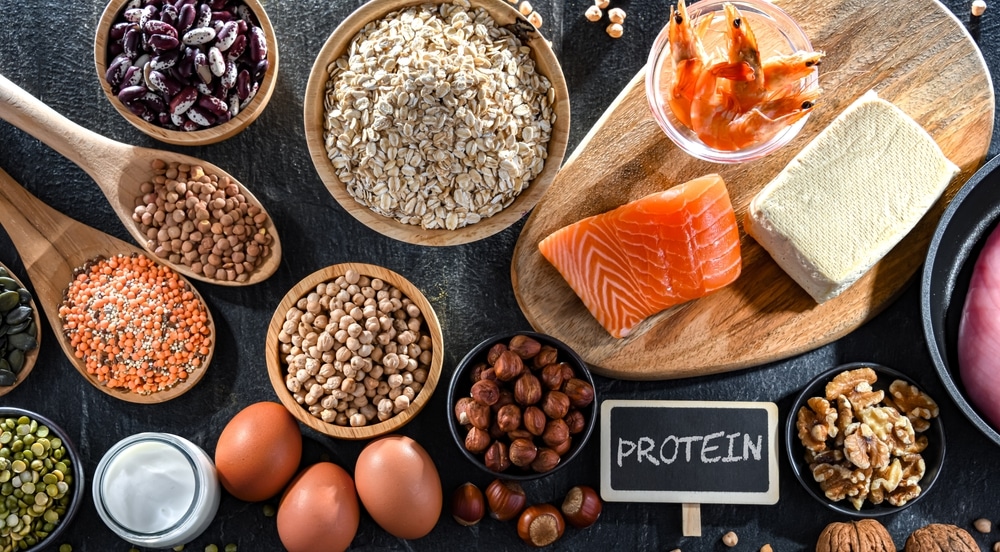

Exercise uses stored energy in your muscles and liver, mainly in the form of glycogen, which is made from carbohydrates. As you move, these stores are broken down to keep your muscles working. If you have not eaten enough, you may feel tired, lightheaded, or unable to finish your usual routine.
After activity, your body shifts toward repair and recovery. It needs protein to rebuild muscle, carbohydrates to refill energy stores, and fluids to replace sweat losses. When you give your body the nutrients it needs at the right times, you may notice better performance, less soreness, and steadier progress, especially if you are rehabbing an orthopaedic problem.
Three major nutrition areas play important roles in your workouts.
Your pre-workout meal or snack should mainly focus on carbohydrates with some protein and a small amount of fat. The timing and size depend on how soon you will be active and how long or intense the session will be.
How far ahead you eat affects what feels comfortable in your stomach while you move.
| Time Before Workout | What Usually Works Best |
|---|---|
| 2 to 3 hours | A regular meal with carbs, lean protein, and a little healthy fat |
| 1 to 2 hours | A lighter meal or larger snack focused on carbs with some protein |
| 30 to 60 minutes | Small, easy to digest snack that is mostly carbohydrate |
Eating too much or too close to exercise can lead to stomach upset, cramping, or reflux. On the other hand, skipping food may leave you feeling weak or dizzy, particularly if you have blood sugar or blood pressure concerns. If you have conditions such as diabetes or significant heart, kidney, or gastrointestinal disease, consult your medical team about how to adapt these general timeframes.
Here are some combinations that typically work well for many people. Adjust portions for your size, appetite, and activity level.
Choose foods you tolerate well and that do not upset your stomach during movement. It can take a little trial and error to find the best timing and amounts for your body.
Going into a workout already slightly dehydrated can make exercise feel harder and may increase your risk of cramps, dizziness, or heat illness. For most healthy adults, drinking to thirst throughout the day usually works well. Drinking at regular intervals is another practical approach for many people and is often more effective than trying to catch up just before you start.
People who sweat heavily, exercise in hot or humid conditions, or train for long durations may need more deliberate hydration strategies, including planned fluid and electrolyte replacement. Plain water works well for most short and moderate sessions. For longer or more intense training, or in heat and humidity, a sports drink that provides both fluids and electrolytes may be helpful. If you have been told to limit fluids because of heart or kidney issues, follow the fluid plan from your medical team.

If your workout lasts less than an hour at a comfortable pace, you usually do not need to eat during the session, provided you have fueled beforehand and remain hydrated. Once activities exceed approximately 60 to 90 minutes, especially at moderate to vigorous intensity and during continuous endurance efforts such as running, cycling, or many team sport sessions, your body may benefit from small amounts of carbohydrates during exercise. This guidance primarily applies to sustained moderate-to-high-intensity activity rather than very light activity.
Endurance athletes often use sports drinks, gels, or chews, or small portions of easily digested foods such as pretzels or fruit, during longer events. If you are recovering from an orthopaedic injury, ask your OrthoNJ provider what duration and intensity of continuous activity is safe for you before planning this type of fueling. Not everyone who is active for more than an hour needs intra-workout carbohydrates; needs depend on intensity, goals, and individual tolerance.
After exercise, your goals are to replace fluids, rebuild muscle, and restore energy stores. A combination of carbohydrates and protein is helpful, with additional fluids and electrolytes as needed. The size of the snack or meal depends on the intensity and duration of exercise and on when your next full meal will be.
Most people do well if they eat a balanced snack or meal within about 1 to 2 hours after finishing exercise. If you will not eat a full meal for several hours, a snack with both carbohydrates and protein soon after activity can help initiate recovery. For most recreational exercisers, total daily intake of protein and overall energy is generally more important than the exact timing of that intake.
If you have only had a very light workout, such as an easy walk or gentle stretching, you typically do not need specialized recovery products, provided you resume your normal balanced eating and hydration throughout the day.
The following options combine carbohydrates and protein, which support both energy and muscle repair.
If you are working on weight loss or have specific calorie goals, a registered dietitian can help tailor post-workout nutrition so you support recovery without taking in more energy than you need.
Your nutrition needs will vary with the type of activity you are doing. Light stretching or a short, gentle walk will not require the same fueling as a long run, a strenuous cycling session, or an intense strength workout.
| Type of Activity | Fueling Focus |
|---|---|
| Light activity (easy walking, gentle yoga, basic rehab) | Usual balanced meals and snacks, drink water to thirst |
| Moderate activity (30 to 60 minutes) | Pre-workout snack if needed, water during, balanced meal or snack within a few hours |
| Long or intense sessions (more than 60 to 90 minutes) | Good pre-workout meal or snack, fluids during, consider carbs during, and a carb plus protein recovery meal or snack afterward |
If you are unsure how to classify your workouts, consider your breathing and your ability to speak. Activities that leave you breathing harder and unable to talk in full sentences are usually more intense and may require more careful planning around food and fluids.
If you are working with OrthoNJ for joint pain, a recent injury, or after surgery, your exercise routine may include physical therapy and a gradual return to your usual activities. In these situations, consistent energy intake and adequate protein intake are particularly important for muscle strength and tissue repair.
Some people recovering from injury are less active than usual, which can change their appetite and weight. Others become more active as rehab advances. Either way, consulting your care team about how to balance nutrition and activity can support recovery and help protect your joints as you return to sports or daily tasks.
Talk with a healthcare professional if you notice problems around exercise that might be related to nutrition, such as:
OrthoNJ can help you understand what level of exercise is safe for your joints and muscles and when to modify your routine. Your primary care provider or a registered dietitian can also help you personalize your eating plan around your medical history and activity goals.
Nutrition recommendations are not one-size-fits-all. Age, medical conditions, medications, activity level, and personal preferences all affect what works best for you. People with diabetes, kidney disease, significant gastrointestinal disorders, or who take certain medications such as diuretics may need customized fueling and hydration plans.
This article is meant for general education and should not replace individualized medical or nutrition counseling. Always follow the guidance of your own healthcare team, including your OrthoNJ provider, especially if you have chronic health conditions or are recovering from injury or surgery.
If pain, stiffness, or recent injury is getting in the way of your workouts, an evaluation with OrthoNJ can help you understand what is going on and what types of activity are safe. We can work with you and your broader healthcare team to develop a plan that includes movement, nutrition, and recovery strategies aligned with your goals.
Thoughtful fueling before and after exercise is one important part of staying active and protecting your musculoskeletal health over time. Small, steady changes in your daily habits often make the biggest difference.
Contact one of OrthoNJ's locations spread out through all of New Jersey.

This treatment info is for informational purposes only. Treatment and recovery vary person to person, and you should consult with your treating physician and team for details on your treatment and recovery process.