Learn what tennis elbow is, why it happens, common symptoms, how doctors evaluate it, and treatment options that can help you recover. If you have questions about your own situation, an OrthoNJ provider can walk you through the best next steps.

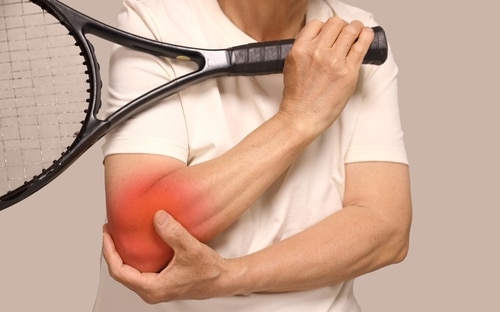
Tennis elbow is the common name for lateral epicondylitis. It involves irritation and small tears in the tendons that attach to the bony bump on the outer side of your elbow. These tendons help you straighten your wrist and fingers during daily activities, work, and sports.
Although it is named for tennis, this problem often affects individuals who do not play tennis. Any repeated gripping, lifting, or twisting of the wrist can lead to tennis elbow over time. Symptoms can range from mild soreness to pain that makes it hard to lift a coffee mug or turn a doorknob.
Tennis elbow happens when the tendons on the outside of your elbow are overloaded by repeated use. Over time, tiny tears and tissue changes can develop in the tendon. This leads to pain and tenderness at the tendon-bone attachment, and sometimes to aching that radiates down the forearm.
Doctors now understand that tennis elbow is often more of a tendon wear-and-tear problem than a classic inflammation. That is why many treatments focus on gradually loading and strengthening the tendon rather than only calming inflammation.
Symptoms of tennis elbow can develop gradually over time or occur after a period of heavier use. Many people experience discomfort with certain hand and wrist movements long before they experience pain at rest.
Some people also feel stiffness in the elbow or forearm, especially first thing in the morning or after a day of repetitive activity. If pain is severe, it can interfere with work, sports, or simple daily tasks.
The tendons involved in tennis elbow help extend your wrist and fingers. Repeating the same motion many times, especially with force or poor mechanics, can strain these tendons. Over time, the tendon fibers can become irritated and start to break down.
In some people, a single event such as lifting something heavier than usual can trigger symptoms, especially if the tendon was already under stress. Age, strength, technique, and equipment can all play a role in how and when symptoms appear.
Tennis elbow is especially common in people between 30 and 50 years old, but it can appear at other ages as well. Both athletes and non-athletes can develop it. If your job or sport involves frequent gripping or wrist extension, you may be at higher risk.
Even if you have risk factors, there are many ways to reduce strain on your elbow. Adjusting technique, improving strength and flexibility, and using appropriate equipment can all help reduce your risk of ongoing problems.
Diagnosis typically begins with a detailed history and a physical examination. Your provider will ask when the pain began, which activities make it worse, and what kind of work or sports you do. That information helps identify patterns of overuse.
Imaging is not always necessary immediately. When it is used, X-rays can help rule out arthritis or other bone problems, and an ultrasound or an MRI can show changes in the tendon. Your OrthoNJ provider will decide if imaging is useful based on your symptoms and exam. Imaging findings, such as tendon thickening or degeneration, do not always correlate with pain, and some people have tendon changes on imaging without any symptoms. Decisions about treatment are based on both imaging and the clinical exam.
Most people with tennis elbow improve without surgery. Treatment focuses on reducing pain, allowing the tendon to calm down, then gradually building strength and tolerance for activity. This process can take several weeks or months.
Common non-surgical options include:
These pain medications primarily reduce pain and short-term discomfort and do not directly repair the tendon. People with kidney, stomach, heart, or bleeding problems, or who take blood thinners, should talk with a doctor before using NSAIDs.
Therapy often focuses on exercises that slowly load the tendon in a controlled way. This can include eccentric strengthening, in which the muscle works as it lengthens, and exercises to improve shoulder and core strength to improve overall arm mechanics.
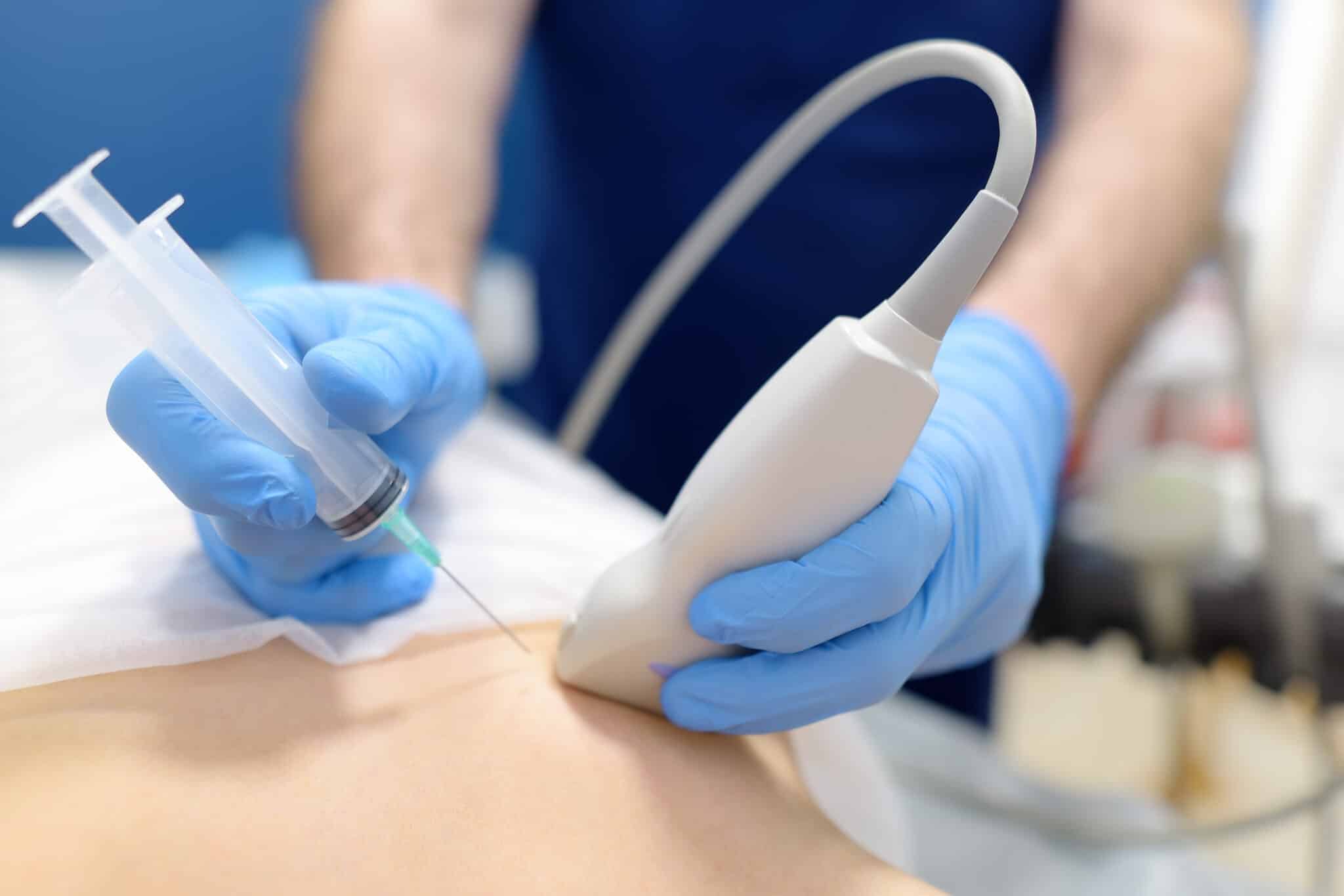
If pain does not improve enough with early treatments, your doctor might discuss additional options. These are chosen based on your symptoms, exam findings, and how long you have had the problem.
Your OrthoNJ provider will review the risks, benefits, and evidence for each option and help you decide what fits your goals and medical history.
Surgery for tennis elbow is uncommon and is usually reserved for people who still have significant pain after many months of focused non-surgical care. Most surgical procedures involve removing damaged tendon tissue and stimulating a healthier healing response.
The exact approach depends on your specific findings, your general health, and your activity level. If surgery is an option, your surgeon will explain what is involved, the potential risks, and what recovery generally looks like.
Rehab is an important part of healing from tennis elbow, whether or not you have surgery. It usually starts with a gentle motion and moves toward strengthening and a gradual return to the tasks that matter most to you.
Staying consistent with your exercise program and following your care team’s guidelines gives you the best chance for a strong recovery.
Recovery time varies from person to person. Many patients notice meaningful improvement within 6 to 12 weeks when they adhere to a consistent treatment plan, but full symptom resolution, particularly for long-standing or severe cases, can take several months or longer. Recovery depends on how long symptoms have been present, the physical demands of your job or sport, and how closely you follow your rehab plan.
These timelines are general examples, not guarantees. Your recovery will also depend on your overall health, the duration of your symptoms, the demands of your job or sport, and how closely you adhere to your treatment plan.
Once your symptoms improve, it is important to keep caring for your elbow to reduce the chance of the pain returning. Many of the same exercises and habits used during rehabilitation can also serve as long-term preventive measures.
Contact a doctor if elbow pain is not improving, is getting worse, or is affecting your ability to work, exercise, or manage daily tasks. It is also important to evaluate if your pain started after a clear injury or if you are unsure what is causing it.
If you are unsure what is going on with your elbow, an OrthoNJ provider can evaluate your symptoms, review your activity demands, and recommend a tailored treatment plan.
No treatment can guarantee a specific outcome or exact timeline for every person with tennis elbow. Imaging findings, such as tendon changes on MRI, should be interpreted in conjunction with your symptoms and physical examination. Some tendon changes may be present without causing pain, whereas others can be highly limiting.
This information is meant for general education and is not a substitute for personalized medical advice. Talk with your OrthoNJ provider about the evaluation and treatment approach that is right for you.
If elbow pain is keeping you from the activities you enjoy, consider scheduling an appointment with OrthoNJ. We can help you understand the cause of your symptoms and outline reasonable next steps to support your recovery.
Contact one of OrthoNJ's locations spread out through all of New Jersey.

This treatment info is for informational purposes only. Treatment and recovery vary person to person, and you should consult with your treating physician and team for details on your treatment and recovery process.