Living With Lupus: Symptoms, Treatment, and How OrthoNJ Can Help

April 2, 2026
OrthoNJ

Lupus is an autoimmune disease that can affect your joints, skin, and many organs in your body. This guide explains what lupus is, common symptoms, ways it can affect your bones and joints, how doctors evaluate it, and main treatment options. It also describes how specialists at OrthoNJ can work with your rheumatology team to help manage joint pain and protect long-term mobility.
lupus,erythematosus,medical,autoimmune,disease,complications,outline,diagram.,labeled,educational

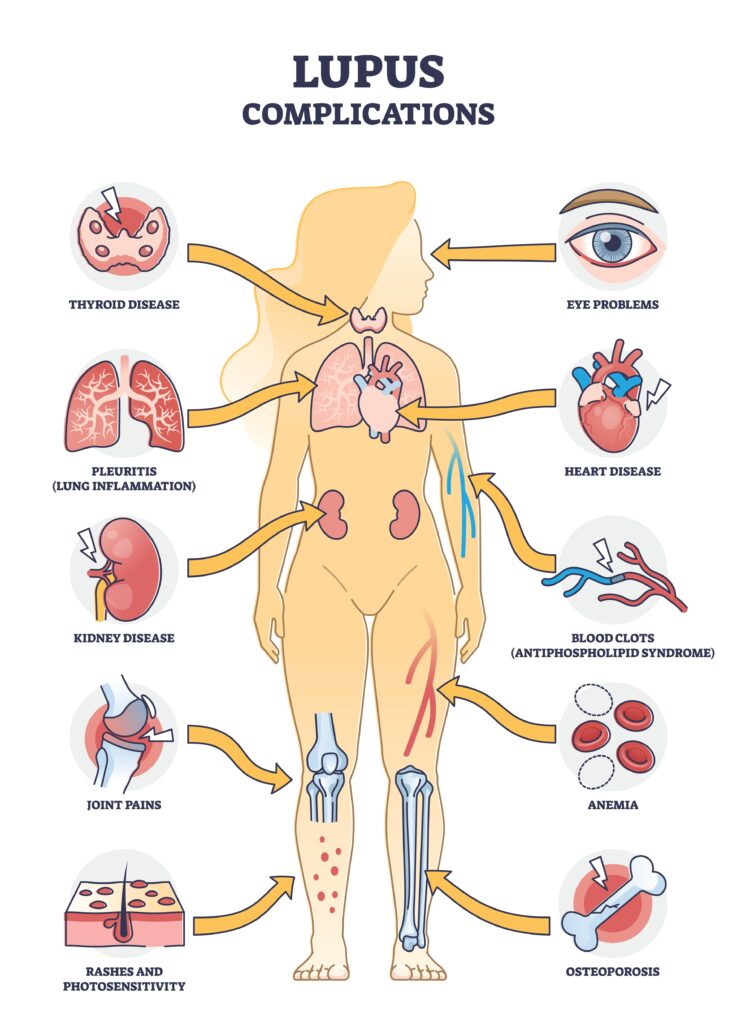
Lupus, also called systemic lupus erythematosus (SLE), is a chronic condition where the immune system mistakenly attacks healthy tissues. Inflammation can affect joints, skin, kidneys, lungs, heart, brain, and blood vessels. Symptoms often come and go in flares, with times of increased activity followed by periods of relative calm.

Although OrthoNJ specialists do not manage lupus as a whole, lupus can cause joint pain, bone loss, and tendon problems. OrthoNJ providers frequently work with rheumatologists and primary care doctors to address musculoskeletal effects such as arthritis, osteoporosis, and tendon injuries.
unusual,red,on,the,palm,hand,from,sle,symptom,effect

What Is Lupus?

Lupus is an autoimmune disease. In a healthy immune system, the body recognizes and defends against infections. With lupus, the immune system becomes overactive and attacks healthy tissues, causing inflammation and tissue damage in different parts of the body.

The most common form is systemic lupus erythematosus (SLE), which can involve multiple organs. Other forms include cutaneous lupus, which mainly affects the skin, and drug-induced lupus, which is triggered by certain medicines and typically improves when the medicine is stopped.

Who Can Get Lupus?

Lupus can affect people of any age, sex, or ethnic background, but it is more common in women, especially those between ages 15 and 44. It occurs more often in people of African, Hispanic/Latino, Asian, and Native American descent than in white individuals.

Researchers think lupus arises from a combination of genetic risk, hormones, and environmental triggers such as certain infections, ultraviolet light, or some medications. A family history of autoimmune disease may increase risk, though most people with a family history never develop lupus.

How Lupus Is Diagnosed

There is no single test that proves lupus. Diagnosis is based on a combination of symptoms, physical examination findings, blood and urine tests, and sometimes imaging or biopsies. Many other conditions can look similar, so doctors will rule out other causes as part of the evaluation.

Rheumatologists usually lead the diagnostic process, especially when joint pain and autoimmune symptoms are present. OrthoNJ orthopaedic specialists may become involved if joint pain or structural damage is a major concern, and they typically work alongside rheumatology rather than replacing it.

blood,sample,tube,for,anti nuclear,antibody,test,analysis.

Tests Used to Evaluate Lupus

Doctors may order tests to look for signs of inflammation and autoimmune activity and to see which organs might be involved.

  • Blood tests: These may include antinuclear antibody ANA tests, more specific autoantibodies such as anti-dsDNA or anti-Sm, complete blood counts, markers of inflammation, and other specialized tests.
  • Urine tests: A urinalysis can look for protein or blood in the urine, which may suggest kidney involvement.
  • Imaging: X-rays, ultrasound, or other imaging studies may evaluate joints, lungs, heart, or other structures when pain or shortness of breath is present.
  • Biopsy: In some cases, a small tissue sample from the skin or kidney is examined under a microscope to better understand the type and extent of inflammation.

Common Symptoms of Lupus

Lupus symptoms vary from person to person and can change over time. Multiple body systems may be affected simultaneously.

  • Joint pain and swelling: Often in the hands, wrists, and knees, and it can move from one joint to another.
  • Fatigue: Feeling very tired even after rest is one of the most common symptoms.
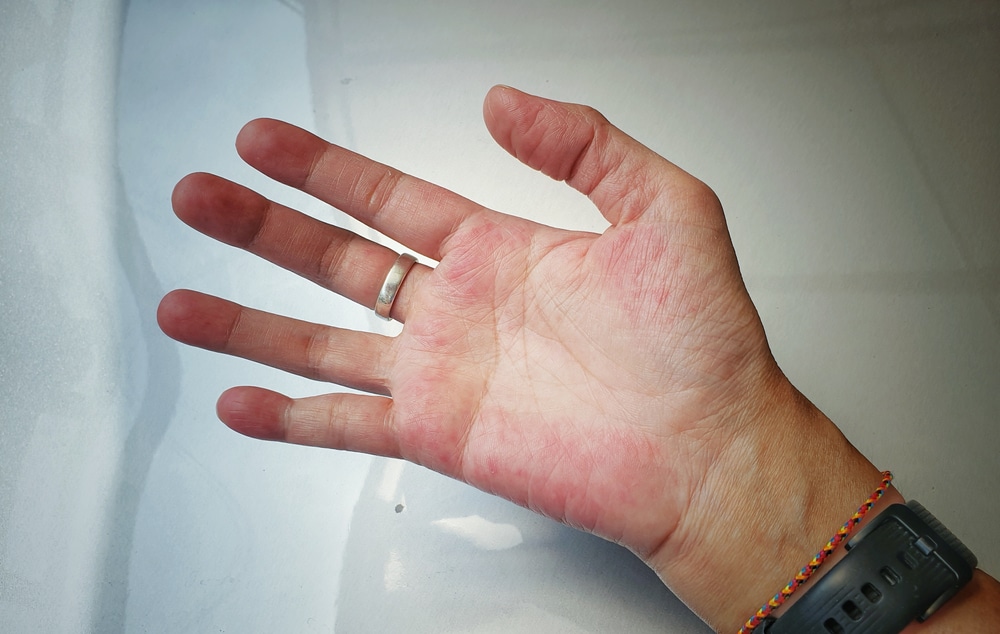
  • Skin rashes: Many people develop a butterfly-shaped rash across the cheeks and nose after sun exposure; other rashes and sores can also occur.
  • Fever: Low-grade fevers may happen, especially during flares.
  • Sun sensitivity: Sunlight may worsen rashes, fatigue, and other symptoms.
  • Hair loss: Hair can thin or fall out during active disease.
  • Mouth or nose sores: Painless ulcers inside the mouth or nose are common.
  • Chest pain with breathing: Inflammation of the lining around the lungs or heart can cause sharp pain when taking a deep breath.
  • Swelling in the legs or around the eyes: This may indicate kidney involvement.
  • Headaches, confusion, or mood changes: The brain and nerves can occasionally be affected.

Because lupus can mimic many other conditions, diagnosis can take time and careful evaluation. Tracking symptoms and bringing a written list to appointments helps your care team identify patterns.

How Lupus Affects Joints, Bones, and Muscles

Joint involvement is one of the most frequent problems in lupus. This is an area where OrthoNJ providers often join your care team, working in partnership with rheumatologists.

  • Inflammatory arthritis: Lupus can cause painful, stiff, and swollen joints, especially in the small joints of the hands, wrists, knees, and feet. Severe joint damage is less common than in some other autoimmune arthritides, but it can occur.
  • Tendon problems: Inflammation around tendons can cause pain and sometimes deformities in the hands and feet; tendons may also be more prone to injury.
  • Muscle pain and weakness: Some people develop muscle inflammation, making activities such as climbing stairs or rising from a chair harder.
  • Osteoporosis and fractures: Long-term inflammation, reduced activity, and certain medications such as steroids can lead to bone thinning and a higher risk of fractures.

Orthopaedic care focuses on easing pain, maintaining function, and protecting bones and joints over time. Options may include bracing, activity guidance, physical therapy, and, in certain cases, surgery for severe joint or tendon damage.

Treatment Goals for Lupus

Treatment aims to control inflammation, ease symptoms, protect organs, and improve quality of life. Because lupus presents differently in each person, treatment plans are individualized.

Rheumatologists usually direct medical treatment. OrthoNJ providers support this work by managing joint and bone problems, advising on safe activity, and treating specific orthopaedic issues when they arise.

Medications Commonly Used in Lupus

Your rheumatology team will select medicines based on which organs are affected, how active the disease is, and your overall health. Not everyone needs the same medicines, and doses often change over time.

  • Nonsteroidal anti-inflammatory drugs (NSAIDs): These medicines help reduce pain and swelling in joints and muscles and may be used short term or intermittently based on symptoms and other health issues.
  • Antimalarials: Medicines such as hydroxychloroquine are a foundation of care for many patients and can help control skin and joint symptoms and reduce flares over time.
  • Corticosteroids: Steroids like prednisone can quickly reduce inflammation. They are often used for flares or serious organ involvement but are usually tapered to the lowest effective dose because of side effects.
  • Immunosuppressive drugs: Medicines that calm the immune system, such as azathioprine, mycophenolate, or methotrexate, may be used when organs like the kidneys are affected or when joint and skin symptoms are not controlled by first-line treatments.
  • Biologic therapies: Newer injectable or intravenous medicines may be used for people whose lupus remains active despite standard treatments, depending on clinical guidelines and insurance coverage.

All these medicines have potential side effects, so regular follow-up and lab monitoring are important. Never change or stop lupus medications without consulting the doctor who manages your disease.

Lifestyle and Self-Care With Lupus

Daily habits can influence how you feel and how often flares occur. Lifestyle changes do not replace medication, but they often work together with treatment to help you stay active and independent.

  • Sun protection: Wearing sunscreen, hats, and long sleeves and avoiding peak sun hours when possible can help prevent rashes and some flares.
  • Regular gentle exercise: Activities such as walking, swimming, or cycling can help maintain joint motion, muscle strength, heart health, and mood. An OrthoNJ provider or physical therapist can suggest joint-friendly options.
  • Balanced nutrition: A diet rich in fruits, vegetables, whole grains, lean protein, and adequate calcium and vitamin D supports bone and overall health.
  • Rest and pacing: Many people with lupus require more rest. Spacing tasks and taking short breaks can help manage fatigue.
  • Stopping smoking: Smoking can worsen lupus symptoms and raise the risk of heart and lung disease. Getting help to quit is important.
  • Emotional support: Lupus is a long-term condition, and it is common to feel frustrated, worried, or down. Support from mental health professionals, support groups, family, and friends can make coping easier.

How OrthoNJ Can Support Patients With Lupus

Rheumatologists manage the overall disease process. OrthoNJ focuses on the musculoskeletal system to help preserve mobility and function when lupus affects joints, bones, muscles, or tendons.

  • Evaluating joint pain: If you have ongoing joint pain, swelling, or stiffness, an OrthoNJ provider can evaluate for mechanical problems, tendon injuries, or arthritis changes that may benefit from targeted treatment.
  • Protecting bone health: People with lupus, especially those taking steroids, have higher risk of osteoporosis and fractures. OrthoNJ providers work with your broader care team to assess fracture risk and manage problems such as spinal compression fractures or hip fractures if they occur.
  • Non-surgical care: Bracing, activity modification, injections in appropriate settings, and physical or occupational therapy can often improve pain and function without surgery.
  • Surgical treatment: In advanced cases, such as severe joint damage or tendon rupture, orthopaedic surgery may be considered. Surgery is planned carefully with your rheumatologist to reduce the risk of complications and to time procedures around disease control.

When to Call a Doctor

Contact a healthcare professional promptly if you notice new or worsening symptoms that might suggest active lupus or complications.

  • New or rapidly worsening joint pain, swelling, or stiffness that limits daily activities
  • Shortness of breath, chest pain with breathing, or a racing heartbeat
  • Swelling of the legs, ankles, feet, or around the eyes
  • Fever, profound fatigue, or a sudden increase in rashes or mouth sores
  • New headaches, confusion, vision changes, or weakness in the face, arms, or legs
  • Any new difficulty walking, using your hands, or performing daily tasks because of joint or muscle pain

In medical emergencies such as trouble breathing, chest pain, or signs of stroke, call emergency services right away. For joint-focused concerns like worsening pain or reduced mobility, OrthoNJ can assess your musculoskeletal health and coordinate with your rheumatology team.

Safety, Expectations, and Next Steps

Lupus is a long-term condition, and it is natural to have questions about the future. Many people live active lives with lupus when the disease is monitored and treated carefully. The pattern of disease is unique to each person, so treatment choices and activity recommendations should be tailored to you.

No single provider or test can guarantee a specific outcome. Imaging, lab results, and physical exams must be interpreted together. This article provides general education and is not a substitute for medical advice. Talk with your rheumatologist and, when joint or bone issues are a concern, with an OrthoNJ provider about the best plan for your situation.

Scheduling an Evaluation

If joint pain, stiffness, or mobility problems are affecting your daily life and you have lupus or suspect you might, consider scheduling an evaluation. Your rheumatologist can work with you on overall disease control, and OrthoNJ can help assess the impact on your joints, bones, and muscles.

Timely evaluation and coordinated care can help reduce pain, protect joint health, and support your ability to stay active long term.

Find An OrthoNJ Location

Contact one of OrthoNJ's locations spread out through all of New Jersey.

branding orthonj orthopedics new jersey 2022 67

This treatment info is for informational purposes only. Treatment and recovery vary person to person, and you should consult with your treating physician and team for details on your treatment and recovery process.


Find Our Nearest Location

OrthoNJ serves all of New Jersey with world-class orthopaedic care. We have over 35 locations throughout New Jersey.
Find A Location

Find A Doctor

OrthoNJ has over 120 specialists all over New Jersey. Find a board-certified, vetted, OrthoNJ specialist closer to home.
Find Doctor
pencilcross linkedin facebook pinterest youtube rss twitter instagram facebook-blank rss-blank linkedin-blank pinterest youtube twitter instagram