Learn what knee popping may mean, when it is usually nothing to worry about, and when it is a sign you should be evaluated. We also explain how OrthoNJ assesses popping knees, treatment options backed by evidence, what recovery can look like, and FAQs.

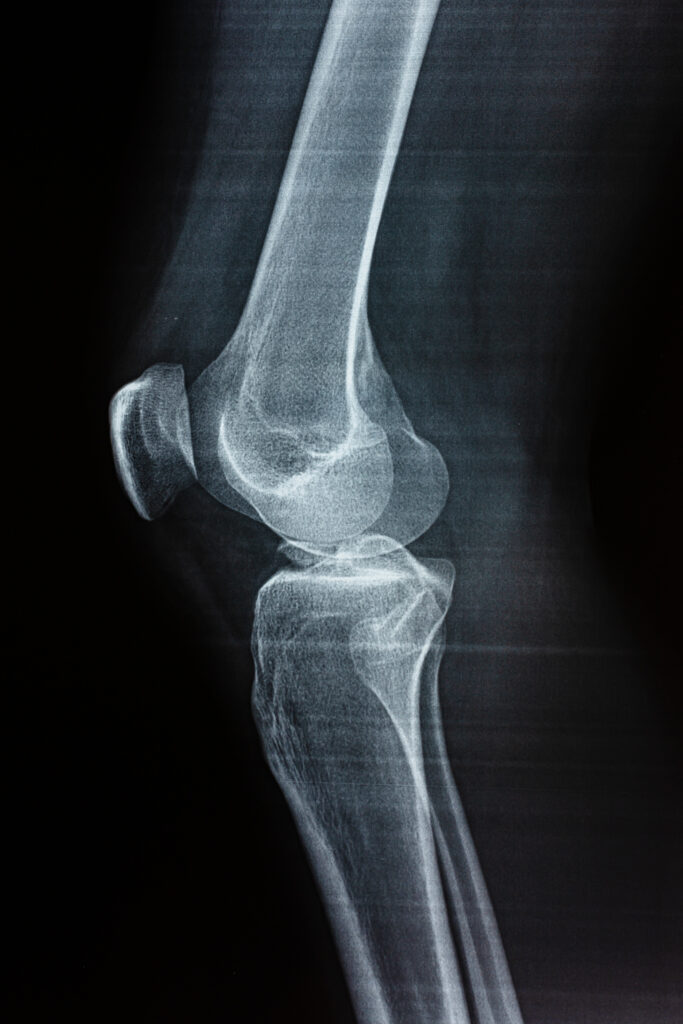
Hearing or feeling a pop from your knee can be unsettling. Many causes are harmless, but some require assessment and directed treatment. We describe how we decide when to watch, when to try nonoperative care, and when surgery may be appropriate.
Popping may be painless or associated with pain, swelling, instability, or loss of function. The pattern of symptoms and your history guide testing and treatment choices.
Several structures can produce popping sounds. The list below groups common causes with brief explanations and typical features to help you tell them apart.
| Cause | What it means and common signs |
| Gas bubbles in the joint | Similar to cracking knuckles. Harmless release of gas from joint fluid. Usually painless and not associated with swelling. |
| Patellofemoral tracking changes | Kneecap shifts slightly in its groove and can click or pop. Often pain in front of the knee with stairs, sitting, or squatting. |
| Meniscal tears | Cartilage between femur and tibia can tear. May cause a single painful pop, catching, locking, or swelling after an injury. Degenerative tears commonly present with gradual symptoms in middle age or older adults. |
| Ligament injuries | A sudden pop during a twist or collision can indicate an anterior cruciate ligament or other ligament tear. Often followed by rapid swelling and a feeling of instability. |
| Cartilage wear and osteoarthritis | Rough joint surfaces produce grinding, crepitus, or intermittent popping over time. Symptoms often include activity-related pain and stiffness. |
Painless popping without swelling, instability, or loss of function is commonly benign. This includes occasional gas-related noises and minor soft tissue slips. If symptoms do not worsen, initial self-care and observation are reasonable.
If popping is accompanied by new or worsening pain, recurrent episodes, or functional limit, a clinical evaluation is advised to rule out treatable problems.
Contact OrthoNJ or your clinician promptly if you have any of the items below. These suggest a serious injury or joint problem that benefits from early assessment.
OrthoNJ provides prompt evaluation and recommendations that match your symptoms, activity goals, and imaging findings.
Evaluation begins with a focused history and physical exam to determine whether the presentation is more like an acute traumatic injury, a degenerative problem, or a benign noise. Important items include how and when the pop occurred, whether swelling developed, and any giving way or catching.
Targeted tests we may order include:
Treatment is driven by the diagnosis, symptom severity, functional goals, age, and whether the knee problem is degenerative or the result of an acute traumatic event. Most problems are managed nonoperatively first. Below are evidence-based statements on common therapies.
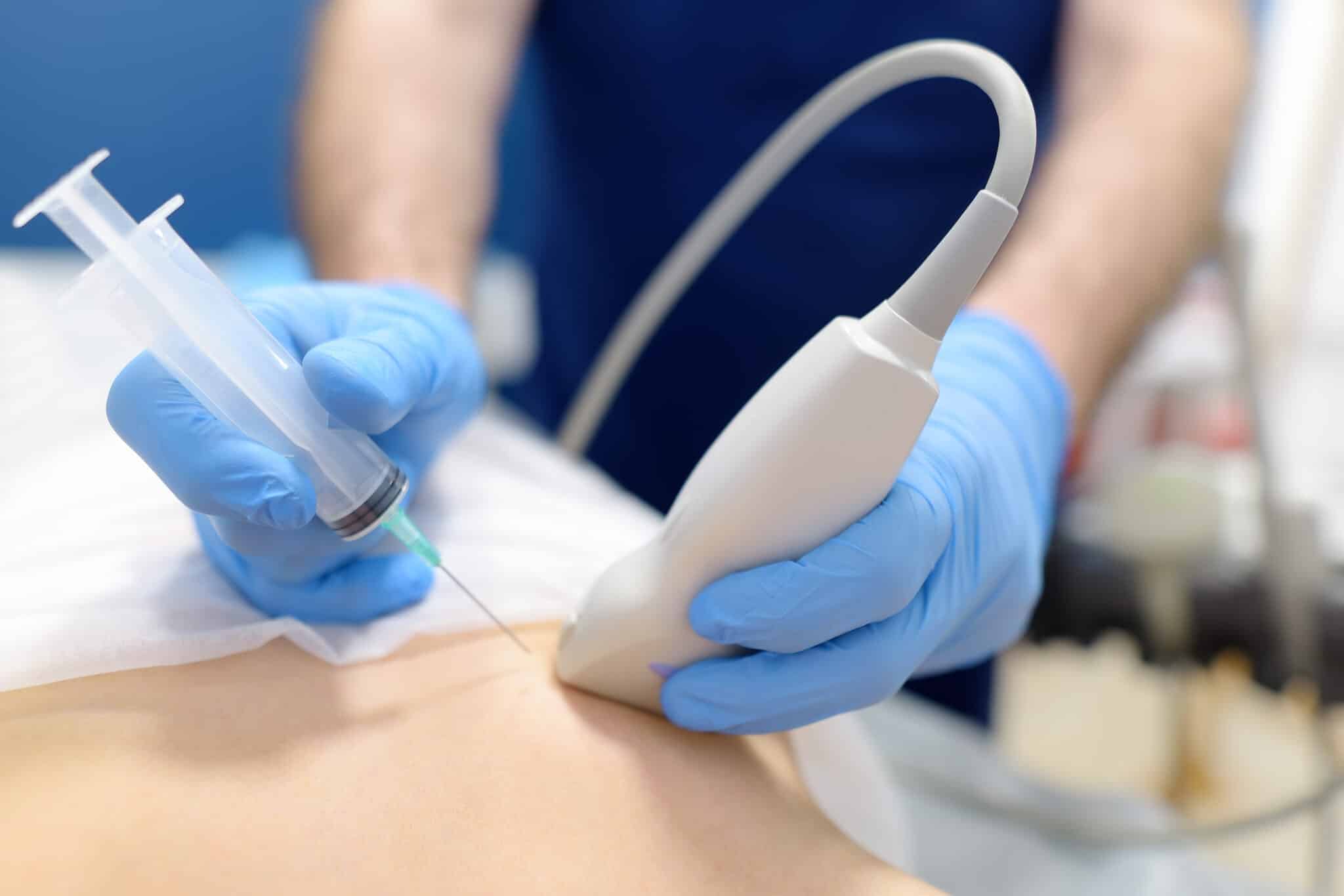
Corticosteroid injections: For symptomatic knee osteoarthritis, intra-articular corticosteroids provide short-term pain relief for many patients, commonly lasting weeks to a few months. This approach is recommended in guideline guidance for flare-ups when conservative measures are insufficient. Benefits are usually greatest in the first 4 to 12 weeks. Repeated or frequent injections should be used cautiously because of possible diminishing benefit and theoretical risk to cartilage; they are typically limited to a few injections per year and tailored to the individual patient and clinical context (NICE; AAOS).
Hyaluronic acid injections: Systematic reviews and guideline panels have found inconsistent benefit for hyaluronic acid in knee osteoarthritis. Many organizations do not recommend routine use because evidence of meaningful clinical improvement over placebo is variable. In select patients who have persistent symptoms despite first line measures and who prefer to avoid surgery, a trial of hyaluronic acid can be considered after an informed discussion about limited and variable benefits (AAOS; NICE).
Clinical context matters. Injections should be targeted to osteoarthritis or clearly intra-articular pain. They are not indicated as primary therapy for recent traumatic ligament tears or for most pediatric conditions without specialist input.
Arthroscopic surgery has a selective role in knees with popping. For degenerative meniscal tears in middle-aged and older adults, high-quality randomized trials show that arthroscopic partial meniscectomy does not provide greater benefit than optimized nonoperative care in the absence of true mechanical obstruction. Therefore, guideline panels recommend against routine arthroscopy for degenerative meniscal disease and for osteoarthritis alone. Surgery may be appropriate when there is objective mechanical locking, a displaced meniscal flap or loose body documented by imaging, or persistent mechanical symptoms that do not improve with an adequate trial of nonoperative care (NICE; AAOS).
For acute traumatic meniscal tears in younger patients, especially those associated with ligament injuries or causing instability, arthroscopic evaluation and repair may be indicated depending on tear pattern, location, and tissue quality. Repair is favored over removal when the tear is repairable to preserve meniscal function and reduce long-term arthritis risk.
In short, prioritize nonoperative care for degenerative tears and reserve arthroscopy for confirmed mechanical obstruction or specific acute traumatic indications after shared decision making (NICE; AAOS; current randomized trial evidence).
Children and adolescents have different common causes of knee popping and different treatment priorities. Growth related conditions such as Osgood-Schlatter disease, Sinding-Larsen-Johansson, transient synovitis, patellar instability or maltracking, and discoid meniscus are more common in younger patients. Evaluation should consider skeletal maturity. Many pediatric problems respond well to activity modification, physical therapy, and time. Intra-articular injections are rarely used in growing children and require specialist input. Acute traumatic injuries in children require careful assessment because growth plates can be involved and surgical planning may differ from adults. OrthoNJ can coordinate pediatric-focused evaluation or referral when needed.
Rehab is central to recovery whether you are treated nonoperatively or after surgery. A staged rehabilitation plan helps restore range of motion, build strength and neuromuscular control, and safely progress activity.

Typical phases include protection and symptom control, progressive strength and mobility work, and functional or sport specific training. Recovery timelines vary: minor soft tissue irritations often improve in weeks, degenerative problems may take months of structured therapy, and full return after ligament reconstruction can take many months.
For degenerative tears and osteoarthritis, guidelines and trial evidence support an initial period of structured nonoperative care including exercise therapy, weight management when appropriate, pain control, and optional injections for symptom flares. If significant mechanical symptoms persist despite a supervised course of nonoperative treatment or imaging documents a displaced fragment or loose body causing mechanical blockage, surgical consultation is reasonable. For acute traumatic injuries with clear instability or large displaced tears, earlier surgical evaluation may be indicated.
No. If popping does not cause pain, swelling, instability, reduced function, or objective mechanical symptoms, surgery is rarely indicated. Observation and targeted therapy are usually recommended first.
Yes. A sudden pop during a twisting injury, followed by rapid swelling and instability, can indicate an ACL tear. Seek prompt evaluation so we can assess the injury, discuss imaging, and plan treatment that matches your activity goals.
Intra-articular corticosteroid injections are appropriate for symptomatic flares of knee osteoarthritis when conservative measures are insufficient and the goal is short term symptom relief. They are not a cure and should be part of a broader treatment plan. Hyaluronic acid injections have variable benefit and are not recommended routinely; they may be discussed for selected patients after shared decision making. Injections are not routinely used for most acute traumatic injuries or for pediatric knees without specialist input (NICE; AAOS).
If you have popping with pain, swelling, instability, or locking that limits your activities, schedule an exam with OrthoNJ. We will review your history, perform a focused exam, and recommend appropriate tests and a treatment plan tailored to your needs.
Early evaluation can help select the safest and most effective treatments and support a timely return to the activities you enjoy.
Call OrthoNJ or your health care provider right away for severe pain, an unstable knee, sudden swelling after an injury, inability to bear weight, or any signs of infection such as fever and warmth over the knee.