Knee pain can have many causes, but simple, low-risk stretches, strengthening exercises, and balance drills can often help. Knowing how to move safely—and when to seek medical care—can make a difference. This guidance is designed to support those beginning a home program or preparing to talk with an OrthoNJ provider.
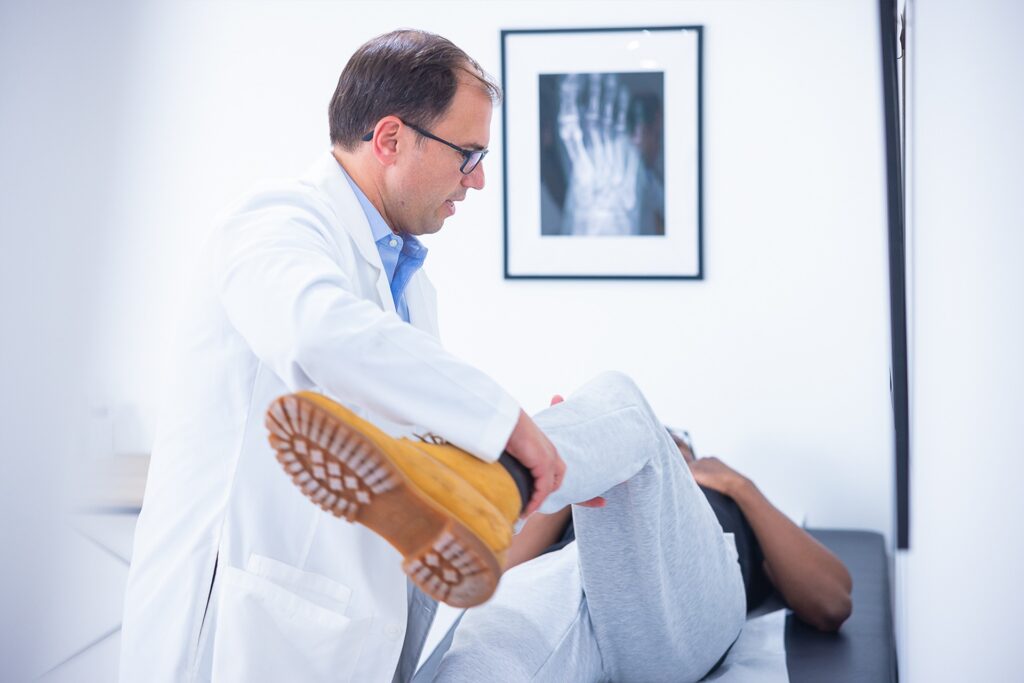
The knee is a hinge joint formed by the thigh bone, shin bone, and kneecap. Muscles, tendons, ligaments, and cartilage support the joint and help with walking, climbing, and bending. Pain commonly comes from overuse, injury, weakness, or arthritis.
Many knee problems improve with targeted activity changes and a structured exercise program that reduces joint stress and improves movement control. Use the safety notes below and check with OrthoNJ when you are unsure.
Symptoms depend on the cause. Pain can be sharp or dull and may increase with activity. You may also notice swelling, stiffness, catching, or a sense of instability.
These symptoms can come from tendon irritation, meniscal injury, ligament injury, or degenerative joint disease. A medical exam helps match symptoms to the most likely cause and the right treatment.
Begin by reducing or changing activities that worsen pain and use short-term measures for flare-ups. The goal is to remain active while protecting the knee.
Tight muscles around the knee can increase joint stress. Do these low-risk stretches once daily or as tolerated. Do not force a stretch into sharp pain.
Strengthening the muscles around the hip and thigh reduces load on the knee. Start with low-load exercises and follow a simple progression framework so you increase load safely and objectively.
Progression rules and objective criteria: Increase repetitions first up to 15 per set, then add a small increase in load (1 to 5 pounds or stronger band) or add a set. Increase frequency from 2 to 3 sessions per week up to 4 sessions per week only if pain stays within acceptable limits. Objective criteria to advance: pain during exercise does not exceed 3 out of 10 on a 0 to 10 scale, baseline pain returns within 24 hours, no new or increased joint swelling, and functional improvement such as walking 10 percent farther or climbing one more flight of stairs without instability. If any of these fail, reduce load and re-evaluate.
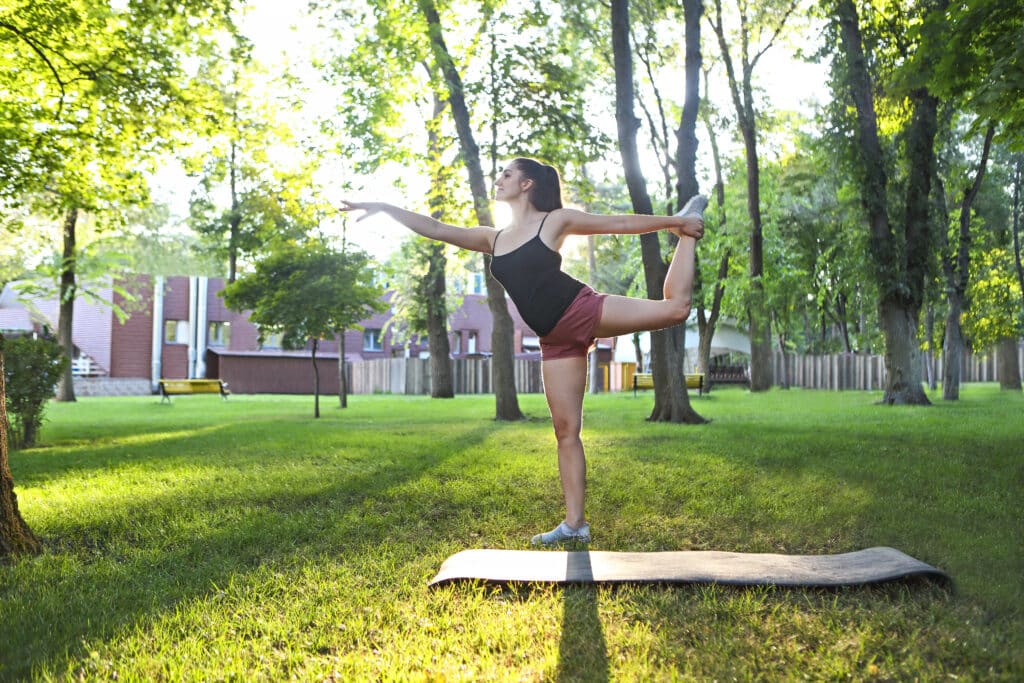
Balance and movement control: Good hip and ankle control reduces knee stress. Begin single-leg balance using a chair for support for 20 to 30 seconds. Progress by closing your eyes, standing on a soft surface, or adding a gentle reach. Include balance work 3 times per week.
Introduce controlled lunges and step downs when you can perform basic strengthening with minimal pain and no swelling. Aim for quality of movement over quantity.
Most people do well with graded exercise but certain situations require extra caution or medical review.
Seek urgent medical attention at an emergency department or urgent care if you have any of the following red flags.
For nonemergency but urgent concerns such as suspected fracture, sudden marked swelling, or a locked knee that limits motion, urgent care can provide X-rays and initial management. Follow up with OrthoNJ for definitive diagnosis and treatment planning.
Consider contacting OrthoNJ or your primary clinician when symptoms meet these criteria. A physical therapist is often the first-line referral for structured rehabilitation.
Physical therapy is recommended when you need a personalized progression, gait or movement retraining, manual therapy, or when pain limits independent exercise. OrthoNJ will advise if imaging or specialist care is needed.
Not every knee pain needs imaging. Typical guidance used by clinicians is as follows.
Use pain and function to guide exercise. Mild muscle soreness that eases within 24 hours is acceptable. Large increases in pain or new swelling mean reduce load and seek evaluation.
Contact OrthoNJ if you have persistent pain or functional limits, suspect a serious injury, or need guidance on imaging, injections, or surgical options. OrthoNJ can evaluate your knee, order imaging when indicated, and recommend conservative or procedural care tailored to your goals.
No. Appropriate low impact exercise and strengthening usually improve pain and function in most people with knee osteoarthritis. High impact activities may need modification.
Not always. A clinician will decide based on your history and exam. X rays are useful for suspected arthritis or fracture. MRI is used selectively for soft tissue concerns or surgical planning.
Surgery may be considered after appropriate conservative care has failed or when an injury requires repair to restore stability or function. OrthoNJ will discuss options, timing, and expected outcomes with you.
This treatment info is for informational purposes only. Treatment and recovery vary person to person, and you should consult with your treating physician and team for details on your treatment and recovery process.
Contact one of OrthoNJ's locations spread out through all of New Jersey.