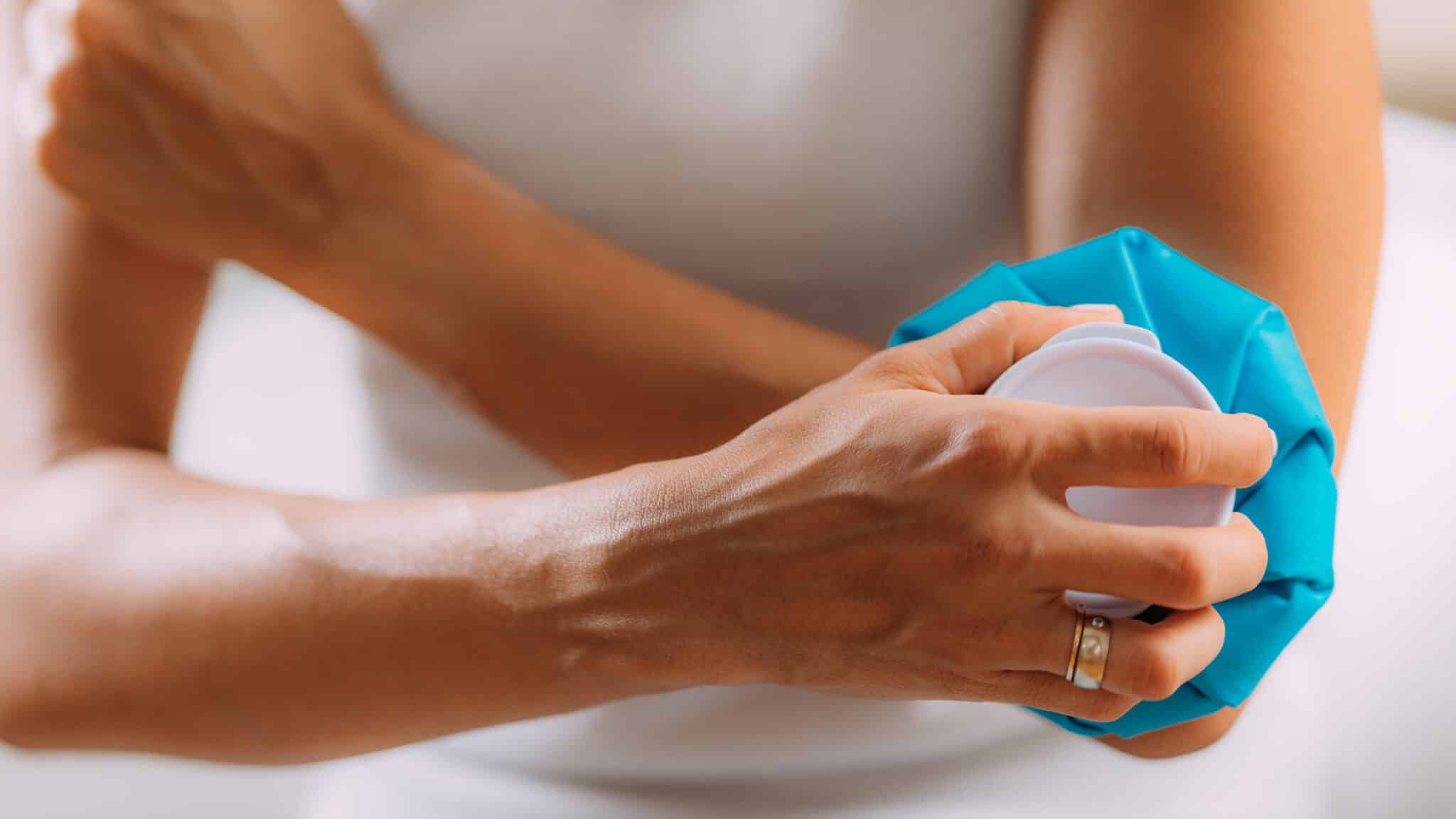
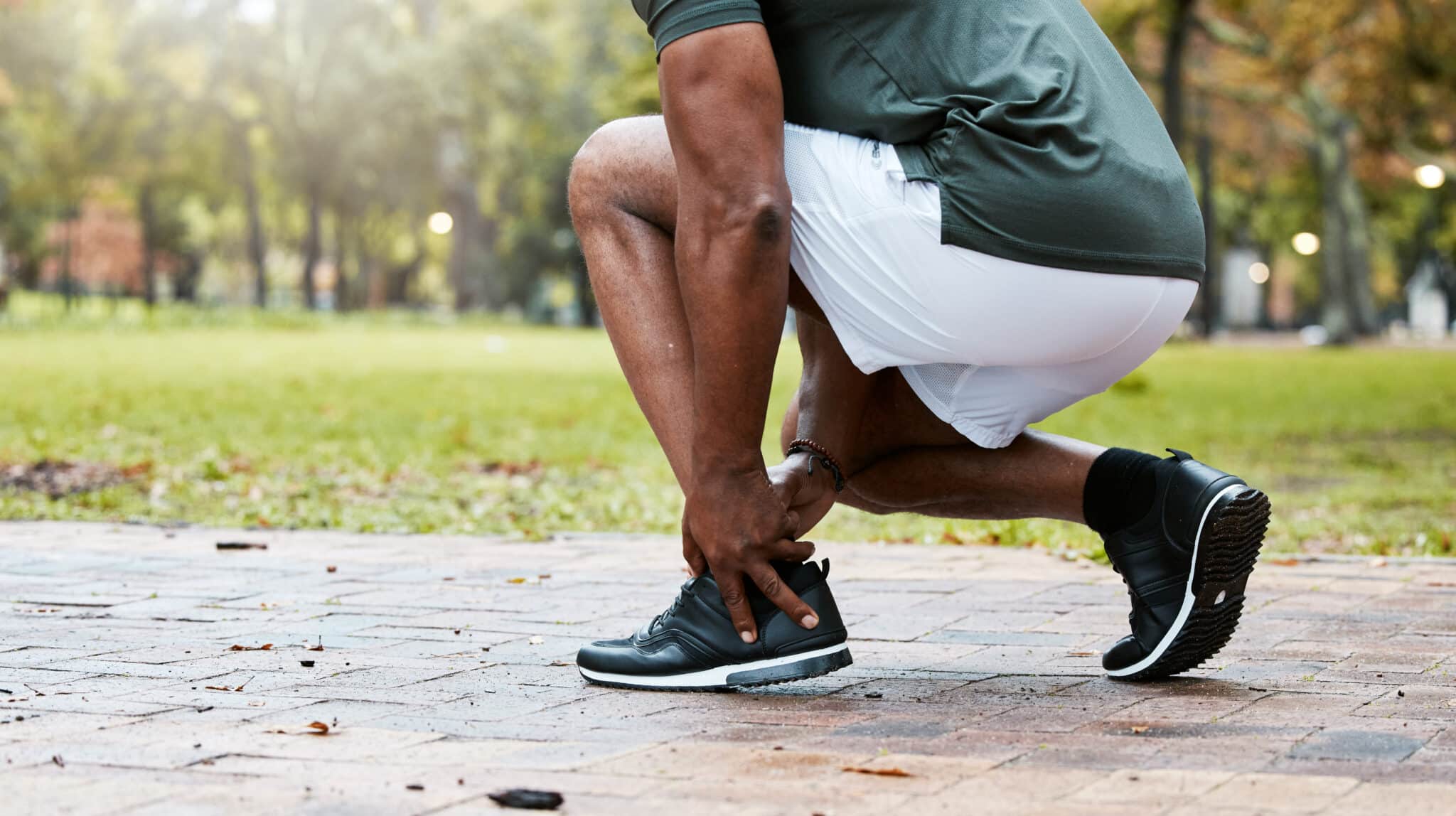
Sore muscles are common after a new workout, heavy physical work, or a minor strain. Cold therapy, also called icing, can be one simple way to ease discomfort for a short time. It may help calm a tender area, reduce swelling in some situations, and make movement a little more comfortable while the body settles down.
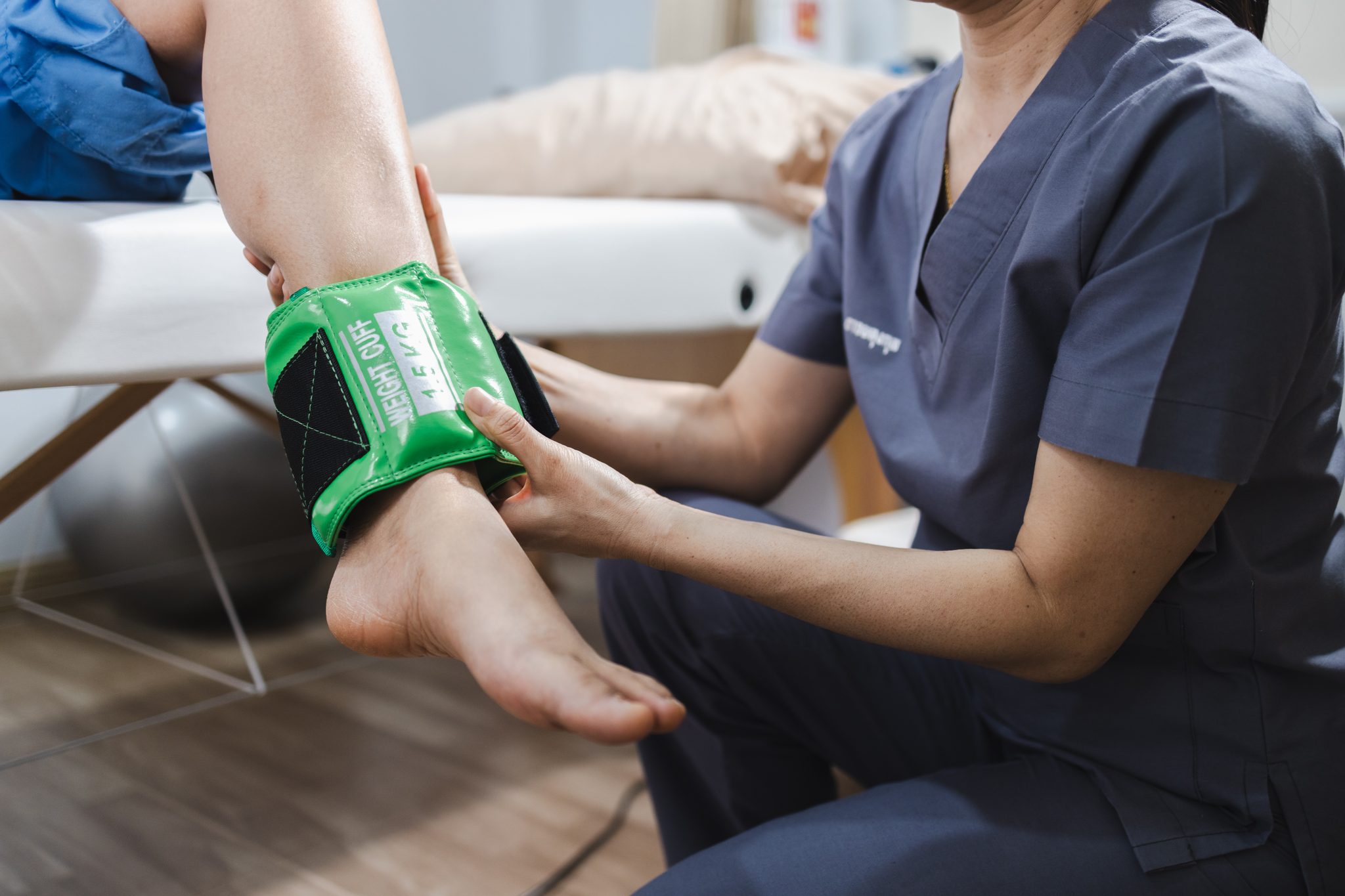
Muscles can feel sore for a few different reasons. Sometimes the soreness comes from overuse, a small strain, or a recent increase in activity. After exercise, some people also develop delayed onset muscle soreness, often called DOMS. That means the soreness shows up later, usually within a day or two, rather than right away.
DOMS is common and usually improves on its own. For routine post-exercise soreness, research suggests icing may offer mild or inconsistent relief rather than dramatic or guaranteed results. Some people feel better with cold therapy. Others notice little difference.
Cold therapy lowers the temperature of the skin and the tissue just underneath it. That can temporarily slow blood flow in the area and may dull pain signals. For a sore, irritated spot, that short-term numbing effect is often the main reason it feels helpful.
Cold therapy can be a useful comfort measure, but it has limits. It does not repair a torn muscle, fix a major injury, or replace proper medical care when symptoms are more than simple soreness. It is best thought of as one tool for symptom relief, not a cure.
Ice is often used when pain is linked to a recent activity, a minor strain, or a localized area that feels tender, puffy, or warm.
Use your own response as a guide. If icing feels soothing and does not cause skin problems or increased pain, short sessions can be reasonable. If it does not help, or if it makes the area feel worse, stop and try another approach.
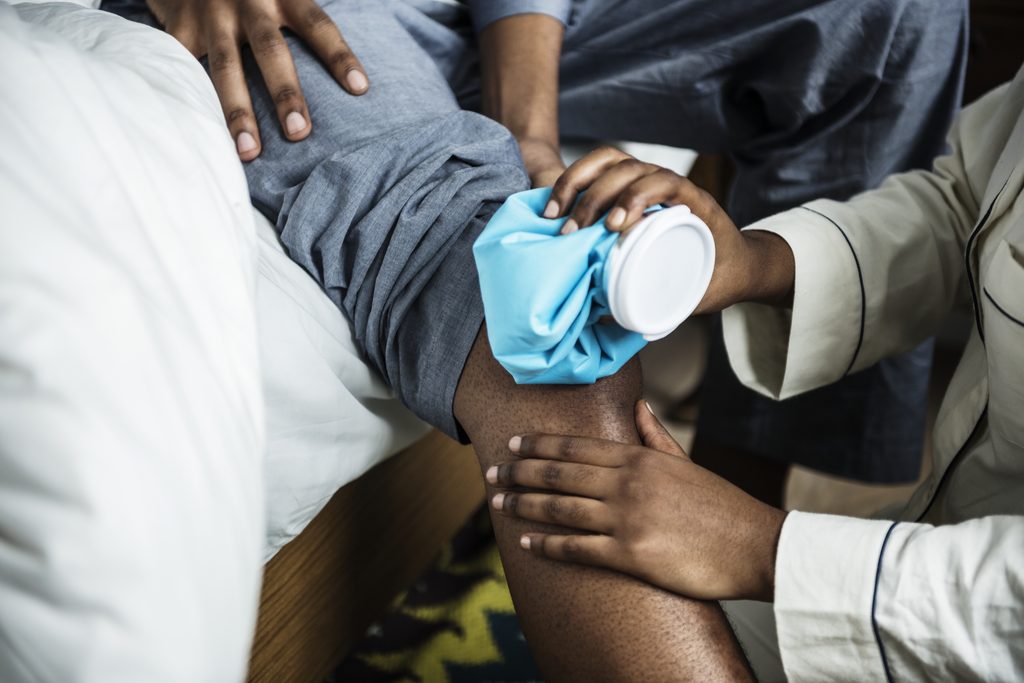
A cold pack, a bag of ice, or a package of frozen vegetables can work. Wrap the cold source in a thin towel or cloth before placing it on the skin. This helps protect the skin from direct cold injury.
Keep each session short, usually about 10 to 15 minutes at a time. Then give the skin a break before using it again. Prolonged, continuous icing is not a good idea.
Cold should feel cool and soothing, not painfully cold. If the area becomes extremely numb or the skin looks unhealthy, stop right away.
Cold and heat can each have a place, but they are not used for the same reason. Cold is often chosen for a fresh flare-up, a swollen area, or soreness that feels irritated. Heat is more often used for stiffness, tightness, or muscles that feel difficult to loosen.
Other simple measures may also help. Gentle movement can keep the area from stiffening up. Resting from the activity that caused the soreness can help prevent further irritation. Elevating an arm or leg can sometimes reduce swelling after a minor injury.
For routine post-exercise soreness, a light return to movement, easy stretching if it feels comfortable, hydration, and time are often useful alongside or instead of icing.
Cold therapy is not the best choice for everyone. People with poor circulation, reduced sensation, or conditions that make them sensitive to cold should ask a clinician before using ice.
If you are not sure whether icing is safe for you, check with a clinician before trying it at home.
Most everyday soreness improves over time. However, severe, worsening, or persistent symptoms deserve medical evaluation. That is especially important when pain does not match the amount of activity you did, or when the problem is affecting how you walk, lift, or use the area.
Cold therapy may help with comfort, but it should not delay care when symptoms suggest something more than routine muscle soreness. An exam can help identify whether the issue is a simple strain, overuse irritation, or an injury that needs more specific treatment.
Cold therapy can be a reasonable option for some sore muscles, especially when the discomfort is recent, localized, or linked to mild swelling. It is safest when used for short periods with a cloth or towel between the ice and the skin.
For routine exercise soreness, icing may help a little, but it does not work the same way for everyone. If it feels helpful, short sessions are fine. If it does not help, or if symptoms are severe, worsening, or lingering, medical evaluation is the right next step.
This treatment info is for informational purposes only. Treatment and recovery vary person to person, and you should consult with your treating physician and team for details on your treatment and recovery process.
Contact one of OrthoNJ's locations spread out through all of New Jersey.