Those with hip arthritis will find that simple things like walking or exercising, even rising from a chair, are not as easy as they should be. Fortunately, there are standard treatments to take the edge off the pain and restore some function for your everyday activities. Should hip pain be getting in the way of your normal routine, we would suggest making an appointment with one of our doctors at OrthoNJ.
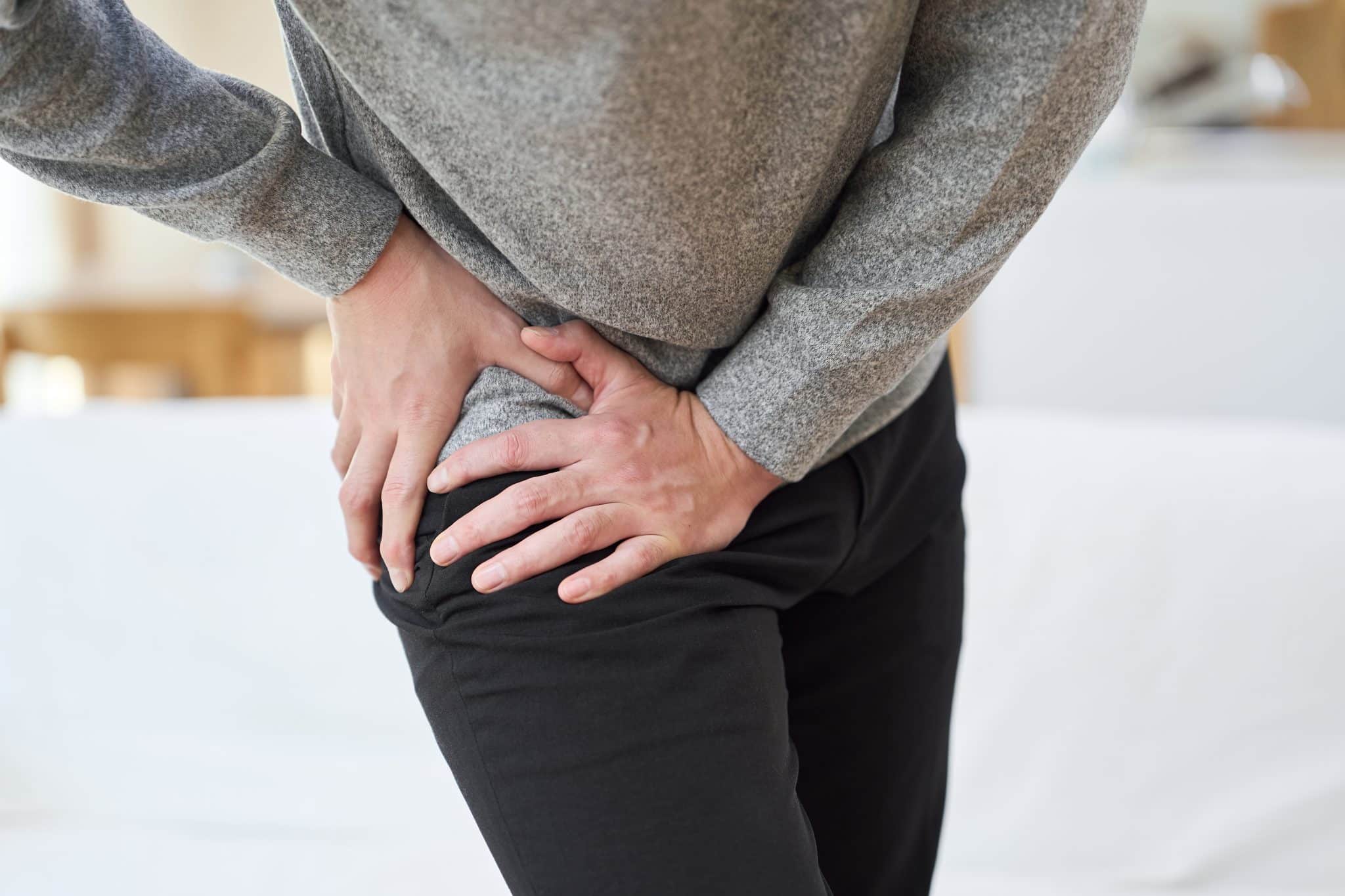
As a ball-and-socket joint, the hip is responsible for bearing the body’s weight and facilitating fluid motion. But when arthritis sets in, the cartilage serving as a cushion between the bones will eventually wear away, resulting in stiffness, pain and restricted movement.
It is a condition that tends to come on slowly. You might begin with an ache in the groin or upper thigh, or perhaps the buttock and outer hip. While these symptoms can be mild to start with, they will in time have a greater impact on day-to-day activities. It is worth noting that the degree of pain experienced is not necessarily in keeping with what imaging of the hip would show.
The word arthritis covers a wide range of joint damage and inflammation. Osteoarthritis is the form one most often sees in the hip; it is the result of the joint’s protective cartilage wearing away.
When there is not a sufficient amount of healthy cartilage to work with, the bones no longer move with their usual ease. The lack of smooth gliding can lead to pain and swelling, as well as stiffness and a sort of grinding sensation when the joint is put in motion.
| Term | What it means |
|---|---|
| Cartilage | Smooth tissue that covers the ends of bones and helps joints move easily |
| Osteoarthritis | Wear-and-tear arthritis that develops as cartilage breaks down |
| Inflammation | The body’s response to irritation or injury, which can cause pain and swelling |
Hip arthritis can feel different from person to person, but certain symptoms are common. Pain may come and go at first, then become more frequent as the joint changes progress.
Some people also notice that the pain travels down the thigh toward the knee. Because hip pain can be felt in nearby areas, it is not always obvious at first that the hip joint is the source.
The symptoms of hip arthritis tend to develop in a gradual fashion. While you're prone to having good days as well as bad, there comes a point when the pain interferes with sleep, exercise or even the simplest of daily tasks and walking; at that stage an evaluation of the joint is called for.
Here at OrthoNJ we will put your symptoms, the results of a physical exam and any imaging in context. In doing so we can better gauge how much the joint is to blame for the discomfort and determine which course of treatment is right for you.
Osteoarthritis is the most common reason for arthritis in the hip, but it is not the only one. Other conditions can also damage the joint and lead to pain and stiffness.
Risk factors can include age, prior injury, excess body weight, family history, and certain medical conditions. Still, people without obvious risk factors can develop hip arthritis too.
The diagnostic process will typically begin with a physical exam and a discussion of your symptoms. The doctor is likely to probe for details on the pain, such as its origin and timing, what tends to aggravate it and in what way it impinges on your daily routine.
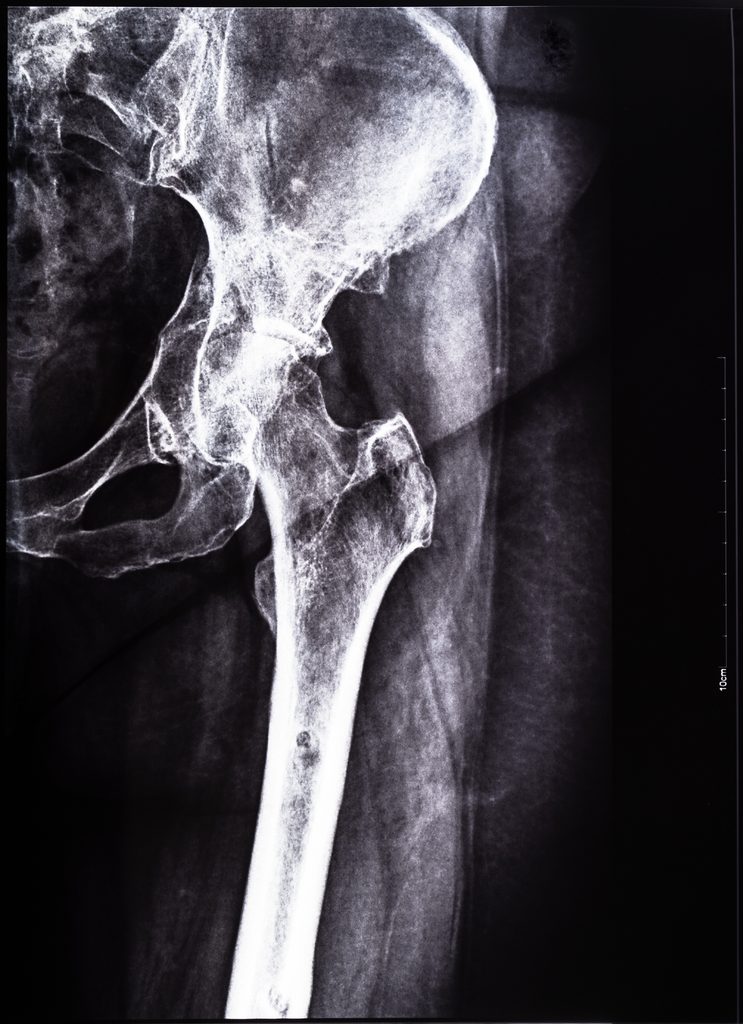
To check for telltale signs of arthritis like bone spurs or a narrowing of the joint space, X-rays are often called for. Should the diagnosis remain in doubt or if there is reason to suspect something else, further testing or imaging might be put forward.
| Part of the evaluation | Why it matters |
|---|---|
| Medical history | Helps identify symptom pattern, activity limits, and possible causes |
| Physical exam | Checks motion, strength, limp, and whether the hip is the likely pain source |
| X-rays | Shows common structural changes linked to arthritis |
| Additional testing if needed | May help if symptoms do not clearly match the initial findings |
Many people start with nonsurgical care. The right plan depends on your symptoms, your activity level, your general health, and how much arthritis is present in the joint.
These treatments may not reverse arthritis, but they can improve comfort and function. Many patients use a combination of approaches rather than relying on just one.
Simple daily changes can make a difference when your hip is stiff or painful. The goal is to stay active without pushing through severe pain.
When nonsurgical measures have been tried and hip arthritis pain is still of a severe nature, you may look to surgery. It is an option typically on the table when the discomfort gets in the way of sleeping or working, or makes it hard to get around and perform the usual daily chores.
In cases of advanced arthritis, a hip replacement is among the most frequently performed operations. The surgeon will put forward what he or she deems suitable, going over any risks and the benefits to be had as well as what recovery entails.
We do not believe that every patient with hip arthritis is a candidate for the operating room; timing is a matter of individual circumstance. At OrthoNJ our aim is to have you fully versed in your surgical and conservative care options so that any decision made is an informed one.
It is a good idea to call a doctor if hip pain is becoming more frequent or is affecting your quality of life.
If pain is persistent or your mobility is changing, an evaluation at OrthoNJ can help clarify what is causing your symptoms and what next steps may help.
A hip evaluation is an opportunity for us to get a full picture of your situation. We will go over your symptoms and how the pain has been getting in the way of your day to day, as well as put the joint through its paces to see how it moves. In some cases we will put in for X-rays to check for any arthritis and inform our treatment plan.
What we want to do is make sure you're aware of your options and can move with less discomfort. Depending on what is called for, treatment might be as simple as some home remedies or medication, or it could involve physical therapy, injections and additional testing. If the circumstances warrant it, we will also have a conversation about surgery.
Yes. Many people notice symptoms that flare with activity and improve with rest, especially early on. Over time, symptoms may become more frequent.
Pain is often felt in the groin, but it can also be felt in the outer hip, buttock, thigh, or even near the knee.
Not necessarily. The right kind of low-impact exercise can help maintain motion and strength. The key is to choose activities that do not sharply worsen your symptoms.
No. Many people manage symptoms with nonsurgical treatment. Surgery is usually considered when pain and function have not improved enough with other care.
This treatment info is for informational purposes only. Treatment and recovery vary person to person, and you should consult with your treating physician and team for details on your treatment and recovery process.
Contact one of OrthoNJ's locations spread out through all of New Jersey.