Tendons are strong, fibrous connective tissues that connect muscles to bones and they play a vital role in movement and stability. Found throughout the body—from the small tendons in your fingers and toes to larger ones like the Achilles tendon in your ankle—they enable coordinated motion by transmitting the force generated by your muscles to your skeletal system.
Your tendons are incredibly durable but they can become vulnerable to injury or degeneration due to overuse, trauma, or aging. Tendons are crucial in your daily activities ranging from walking and running to grasping and lifting. When your tendons are damaged or inflamed, it can significantly impact daily activities, athletic performance, and overall mobility, underscoring their importance in our overall musculoskeletal health.
When your tendons become damaged or inflammed it can lead to various tendon-related conditions. Navigating condition names like tendinopathy, tendinitis, and tendinosis can be confusing as you try to figure out what condition you are suffering with, especially with their overlapping symptoms. Understanding these distinctions is key to managing tendon-related conditions effectively.
Common Tendon Conditions
Your tendons are susceptible to several conditions, from acute injuries to chronic degenerative changes.
Here are some of the most common tendon-related conditions:
Tendinitis: Acute inflammation of a tendon caused by sudden overuse, strain, or injury. This condition typically involves pain, swelling, and limited movement.
Tendinosis: Chronic degeneration of tendon fibers due to prolonged overuse without adequate recovery. Tendinosis does not involve inflammation but results in pain and weakness.
Tenosynovitis: Inflammation of the protective sheath (synovium) surrounding a tendon. This condition often affects tendons in the wrist, hand, or ankle and is characterized by pain, swelling, and difficulty moving the affected area.
Achilles Tendinopathy: Pain and dysfunction in the Achilles tendon which is at the back of the ankle. This is often due to overuse or tight calf muscles. This can manifest as tendinitis or tendinosis.
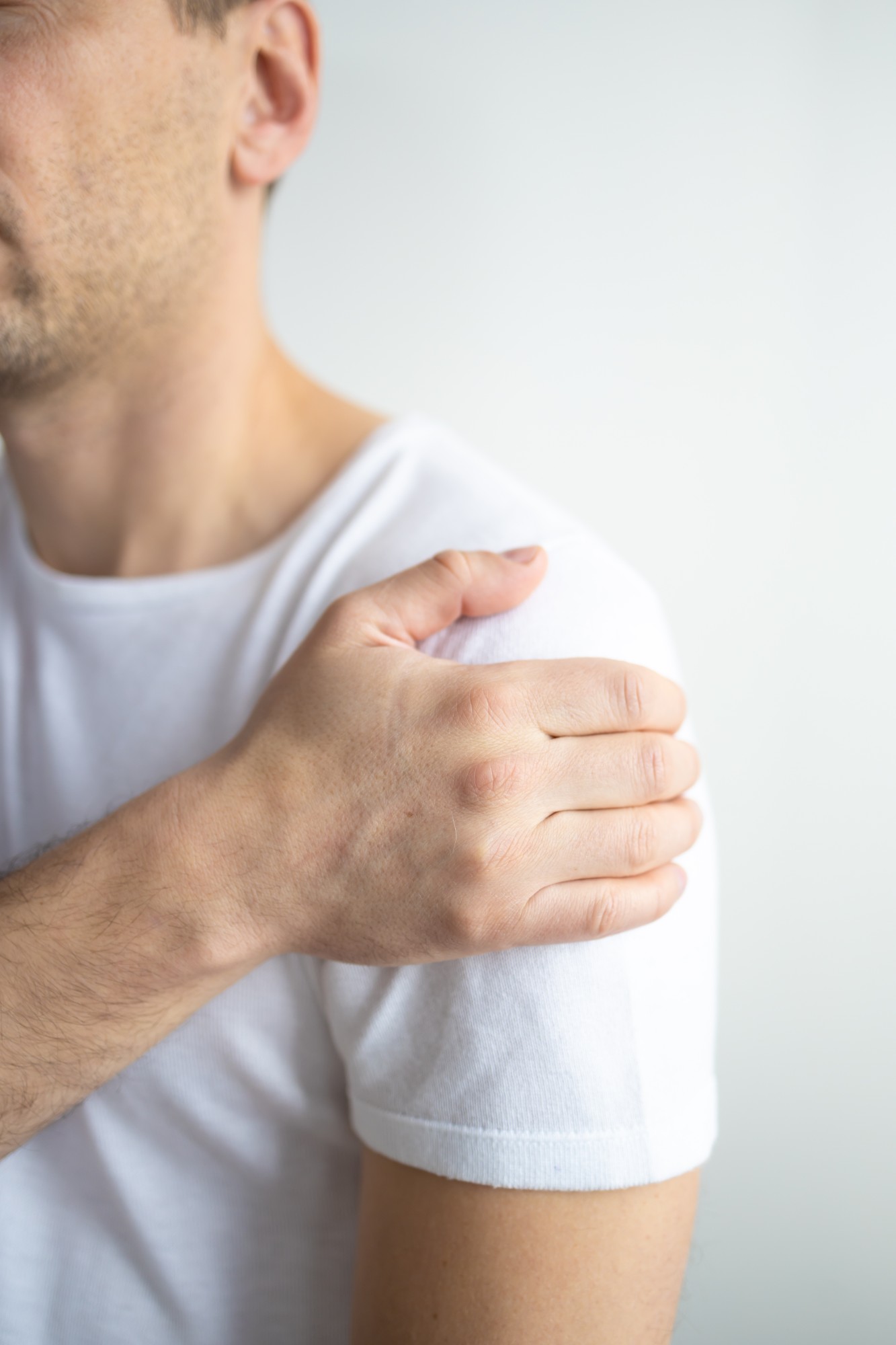
Rotator Cuff Tendinopathy: Involves the tendons of the rotator cuff in the shoulder. Overhead activities, repetitive motions, or aging commonly lead to this condition.
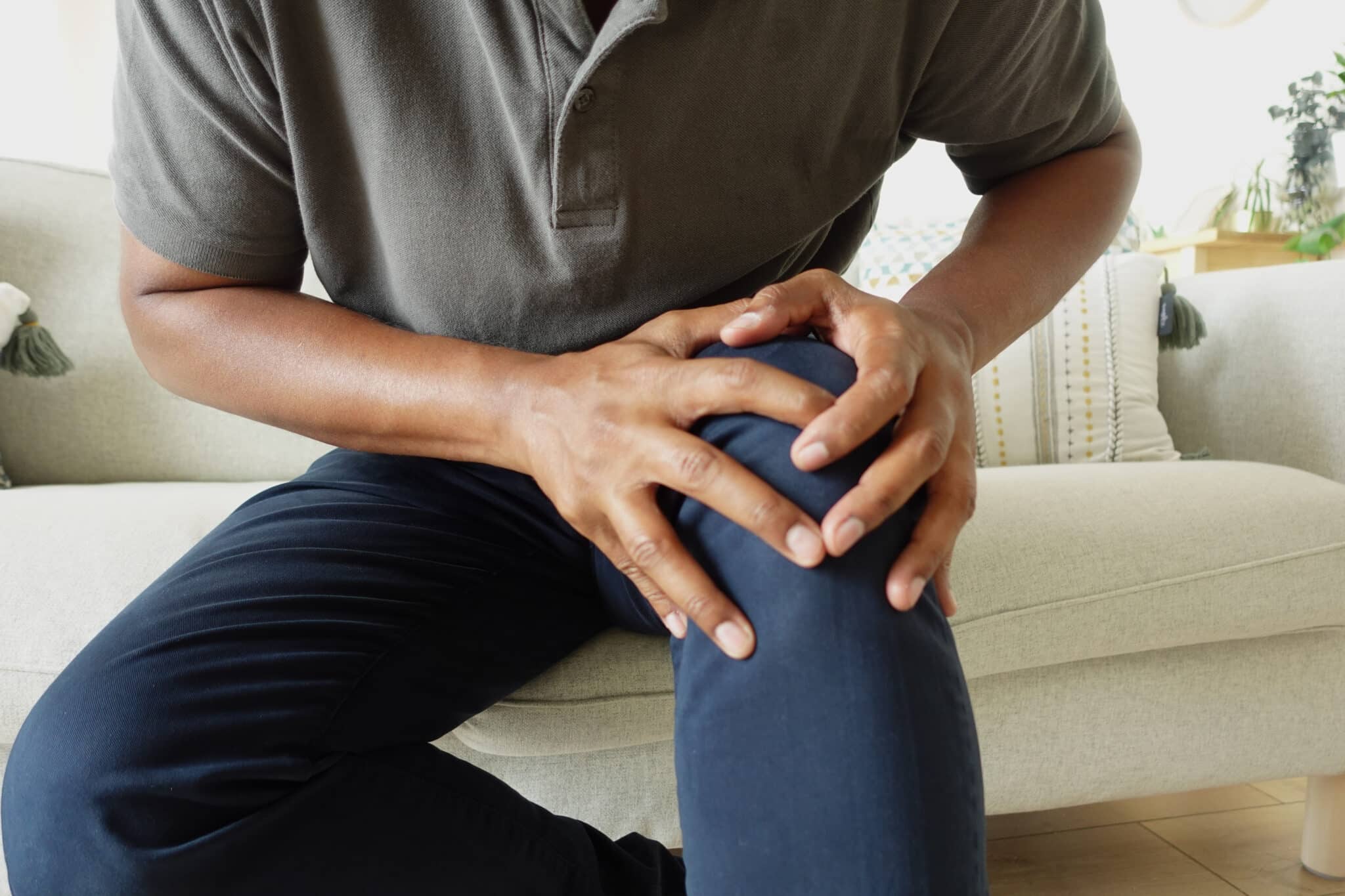
Patellar Tendinopathy (Jumper's Knee): A condition affecting the tendon that connects the kneecap to the shinbone. This is a condition often seen in athletes involved in jumping sports.
Lateral Epicondylitis (Tennis Elbow): Pain on the outer side of the elbow caused by repetitive strain or overuse of forearm muscles and tendons.
Medial Epicondylitis (Golfer's Elbow): Pain on the inner side of the elbow, commonly resulting from repetitive wrist or forearm movements.
De Quervain's Tenosynovitis (Gamer Thumb or Mommy Thumb or Wrist): A painful condition affecting the tendons on the thumb side of the wrist, often associated with repetitive hand or wrist motions.
Trigger Finger: A condition where a tendon in the finger becomes inflamed, causing the finger to lock or catch when bent or straightened.
By understanding how tendons function and recognizing common conditions, individuals can take proactive steps to maintain tendon health and seek appropriate care when necessary.
Why Choose an OrthoNJ Doctor for Your Care?
OrthoNJ is different from your typical medical provider. Unlike many in the industry, we prioritize patient care over profits. Our six divisions work collaboratively to ensure the best outcomes for our patients. We believe in the "Power to Put Patients First," our doctors and divisional partners strive to uphold this commitment to our patients in every aspect of our medical care.
With over 120 fantastic physicians, all board-certified, board-qualified, or fellowship-trained, OrthoNJ offers top-tier expertise across a wide range of specialties.
We serve over 250 communities throughout New Jersey, providing treatment and continuing care for various orthopedic needs.
With more than 30 statewide offices, our reach extends across the entire state. Whether in North Jersey, South Jersey, or anywhere between, OrthoNJ proudly serves you.
Tendinopathy: An Overview
What is Tendinopathy?
Tendinopathy is a broad term that refers to disorders affecting tendons, including tendinitis and tendinosis. These conditions often involve pain, discomfort, and limitations in movement, but they differ in their causes and characteristics.
Tendinitis
Tendinitis involves acute inflammation of a tendon, often due to sudden overuse or strain.
Tendinosis
Tendinosis refers to chronic degeneration of tendon fibers, typically caused by prolonged overuse without sufficient recovery.
By understanding these nuances, patients can better identify their condition and seek appropriate care.
Common Types of Tendinopathy
Gluteal Tendinopathy
Description: Involves pain and dysfunction in the tendons attaching the gluteal muscles to the hip.
Cause: Often occurs from repetitive movements like running or walking, poor biomechanics, or muscle imbalances.
Treatment: Includes physical therapy, strengthening exercises, and activity modification.
Patellar Tendinopathy (Jumper's Knee)
Description: Affects the tendon connecting the kneecap to the shinbone, common in jumping sports.
Healing Potential: Recovery is possible with proper treatment, including rest, physical therapy, and eccentric strengthening. However, chronic cases may take months to resolve.
Cause: Repeated strain from jumping, landing, or overuse without adequate rest.
Achilles Tendinopathy
Description: Involves pain in the Achilles tendon at the back of the ankle.
Cause: Often results from overuse, tight calf muscles, or poor footwear.
Treatment: Includes rest, stretching, strengthening, and advanced therapies like PRP in severe cases. Recovery can take weeks to months, depending on severity.
Rotator Cuff Tendinopathy
Description: Affects the tendons of the rotator cuff in the shoulder.
Cause: Results from repetitive overhead activities, poor posture, or aging.
Treatment: Involves physical therapy, strengthening exercises, and ergonomic adjustments. Severe cases may require surgical intervention.
Recovery Time: Typically ranges from a few weeks to several months, depending on severity and adherence to treatment.
Symptoms of Tendinopathy
Tendinopathy presents a range of symptoms that vary based on the specific tendon involved in your condition.
Common signs of tendinopathy include:
Pain: Pain that can range from mild to severe, and can be sharp, aching, or dull, depending on the condition's progression.
Swelling: Especially common in tendinitis due to active inflammation.
Restricted movement: Reduced flexibility and range of motion are typical.
Stiffness: Often most noticeable after periods of rest or upon waking.
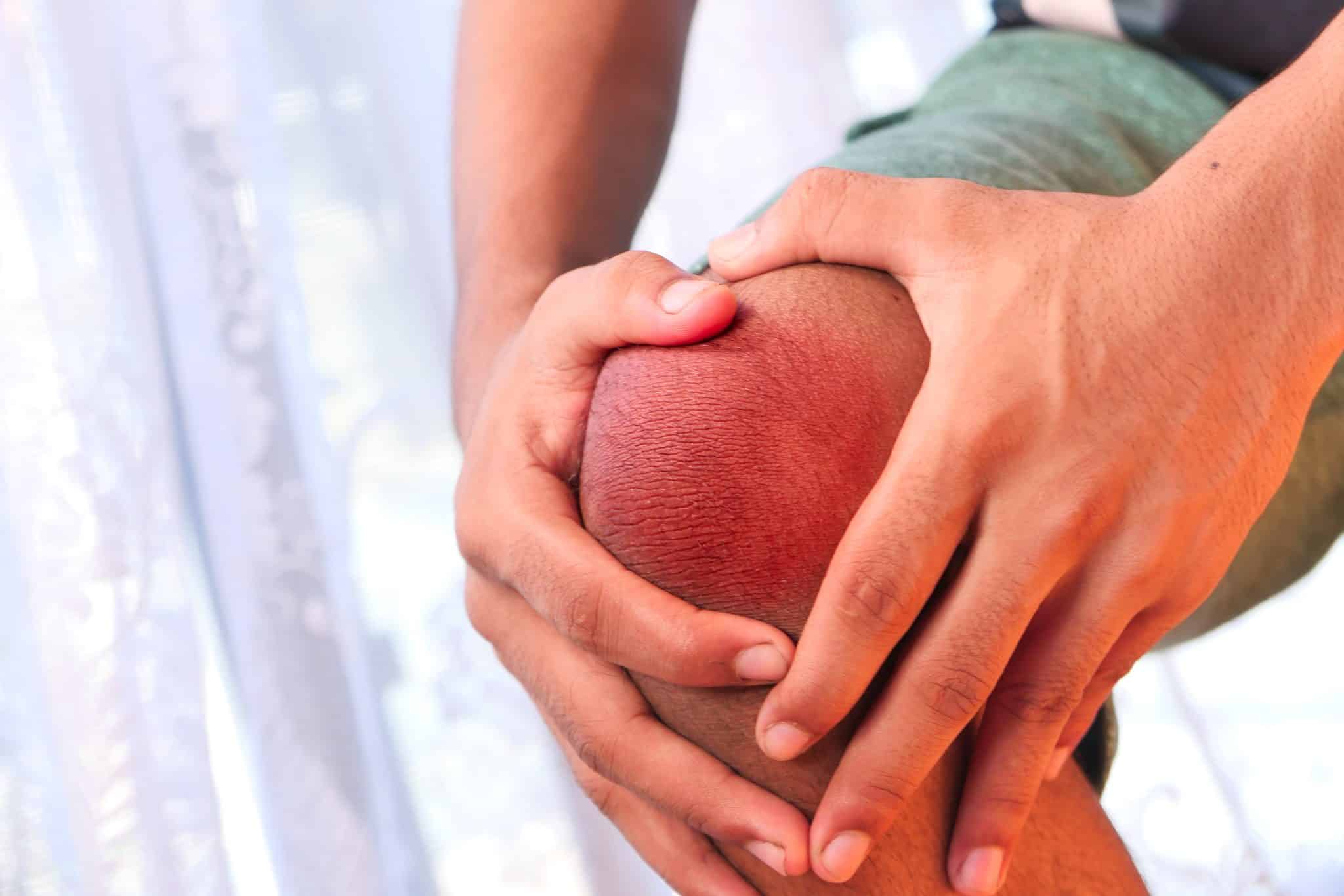
Warmth or redness: Common in cases of acute tendinitis.
Cracking or popping sensations: Some individuals report these sensations during movement.
Weakness: Affected muscles or tendons may feel weak or unstable.
If symptoms persist or worsen, medical evaluation is essential for an accurate diagnosis and effective treatment. We have specialists at all of our OrthoNJ divisions who are here to help you get out of pain and back to doing the things you love.
Causes of Tendinopathy
Tendinopathy can arise from various factors, including:
Repetitive stress: Activities involving repeated motions, such as typing, gardening, or sports, can lead to tendon strain.
Sudden impact or force: Acute injuries from activities like jumping or lifting heavy objects can damage tendons.
Aging: Tendons lose elasticity and resilience over time, making them more susceptible to injury.
Poor posture or biomechanics: Incorrect alignment during activities increases tendon stress.
Muscle imbalances: Weak or tight muscles can contribute to altered mechanics and strain.
Medical conditions: Conditions like rheumatoid arthritis, diabetes, or metabolic disorders can predispose individuals to tendon problems.
Medications: Certain drugs, including fluoroquinolone antibiotics and corticosteroids, have been linked to tendon damage.
Identifying and addressing these causes can help reduce the risk of tendinopathy.
Diagnosing Tendinopathy
A thorough medical evaluation is needed for properly diagnosing tendinopathy.
This typically includes:
A medical history review: Understanding things such as symptom onset and activity patterns.
Physical examination: Assessing pain, tenderness, and range of motion in the affected area.
Imaging tests: MRI or ultrasound can differentiate between tendinitis and tendinosis and identify the extent of tendon damage.
Gradual intensity increases: Build strength and endurance gradually to prevent overuse.
Balanced muscle development: Incorporate flexibility and strength training.
Seeking Professional Care for Tendinopathy
Your tendinopathy is manageable with early intervention and appropriate care. If you experience persistent symptoms, consult a specialist at OrthoNJ or one of its divisions. Their expertise can help you regain mobility and reduce pain effectively.
The cf_use_ob cookie informs Cloudflare to fetch the requested resource from the Always Online cache on the designated port. Applicable values are: 0, 80, and 443. The cf_ob_info and cf_use_ob cookies are persistent cookies that expire after 30 seconds.
session
__cfwaitingroom
The __cfwaitingroom cookie is only used to track visitors that access a waiting room enabled host and path combination for a zone. Visitors using a browser that does not accept cookies cannot visit the host and path combination while the waiting room is active.
session
cf_chl_rc_i
These cookies are for internal use which allows Cloudflare to identify production issues on clients.
session
cf_chl_rc_ni
These cookies are for internal use which allows Cloudflare to identify production issues on clients.
session
cf_chl_rc_m
These cookies are for internal use which allows Cloudflare to identify production issues on clients.
session
__cfruid
Used by the content network, Cloudflare, to identify trusted web traffic.
session
__cf_bm
Cloudflare's bot products identify and mitigate automated traffic to protect your site from bad bots. Cloudflare places the __cf_bm cookie on End User devices that access Customer sites that are protected by Bot Management or Bot Fight Mode. The __cf_bm cookie is necessary for the proper functioning of these bot solutions.
session
__cflb
When enabling session affinity with Cloudflare Load Balancer, Cloudflare sets a __cflb cookie with a unique value on the first response to the requesting client. Cloudflare routes future requests to the same origin, optimizing network resource usage. In the event of a failover, Cloudflare sets a new __cflb cookie to direct future requests to the failover pool.
session
_cfuvid
The _cfuvid cookie is only set when a site uses this option in a Rate Limiting Rule, and is only used to allow the Cloudflare WAF to distinguish individual users who share the same IP address.
session
cf_clearance
Whether a CAPTCHA or Javascript challenge has been solved.
session
__cfseq
Sequence rules uses cookies to track the order of requests a user has made and the time between requests and makes them available via Cloudflare Rules. This allows you to write rules that match valid or invalid sequences. The specific cookies used to validate sequences are called sequence cookies.
session
cf_ob_info
The cf_ob_info cookie provides information on: The HTTP Status Code returned by the origin web server. The Ray ID of the original failed request. The data center serving the traffic
session
These cookies are needed for adding comments on this website.
Name
Description
Duration
comment_author
Used to track the user across multiple sessions.
Session
comment_author_email
Used to track the user across multiple sessions.
Session
comment_author_url
Used to track the user across multiple sessions.
Session
Statistics cookies collect information anonymously. This information helps us understand how visitors use our website.
Google Analytics is a powerful tool that tracks and analyzes website traffic for informed marketing decisions.
Contains information related to marketing campaigns of the user. These are shared with Google AdWords / Google Ads when the Google Ads and Google Analytics accounts are linked together.
90 days
_ga
ID used to identify users
2 years
_ga_
ID used to identify users
2 years
Google Tag Manager loads our website analytics. It only runs when Statistics cookies are allowed.
Used by Google Ads to measure whether an ad visit leads to activity on the site.
90 days
__Secure-3PAPISID
Profiles the interests of website visitors to serve relevant and personalised ads through retargeting.
2 years
AEC
AEC cookies ensure that requests within a browsing session are made by the user, and not by other sites. These cookies prevent malicious sites from acting on behalf of a user without that user's knowledge.
6 months
ADS_VISITOR_ID
Cookie required to use the options and on-site web services
2 months
__Secure-3PSIDCC
Targeting cookie. Used to create a user profile and display relevant and personalised Google Ads to the user.
2 years
__Secure-3PSIDTS
Targeting cookie. Used to create a user profile and display relevant and personalised Google Ads to the user.
2 years
__Secure-1PSIDTS
Targeting cookie. Used to create a user profile and display relevant and personalised Google Ads to the user.
2 years
__Secure-1PAPISID
Targeting cookie. Used to create a user profile and display relevant and personalised Google Ads to the user.
2 years
__Secure-3PSID
Targeting cookie. Used to profile the interests of website visitors and display relevant and personalised Google ads.
2 years
Conversion
Google uses cookies for advertising, including serving and rendering ads, personalizing ads (depending on your ad settings at g.co/adsettings), limiting the number of times an ad is shown to a user, muting ads you have chosen to stop seeing, and measuring the effectiveness of ads.
90 days
_gcl_aw
Google uses cookies for advertising, including serving and rendering ads, personalizing ads (depending on your ad settings at g.co/adsettings), limiting the number of times an ad is shown to a user, muting ads you have chosen to stop seeing, and measuring the effectiveness of ads.
90 Days
_gcl_gs
Google uses cookies for advertising, including serving and rendering ads, personalizing ads (depending on your ad settings at g.co/adsettings), limiting the number of times an ad is shown to a user, muting ads you have chosen to stop seeing, and measuring the effectiveness of ads.
90 Days
_gcl_gb
Google uses cookies for advertising, including serving and rendering ads, personalizing ads (depending on your ad settings at g.co/adsettings), limiting the number of times an ad is shown to a user, muting ads you have chosen to stop seeing, and measuring the effectiveness of ads.
90 Days
_gac_gb_
Google uses cookies for advertising, including serving and rendering ads, personalizing ads (depending on your ad settings at g.co/adsettings), limiting the number of times an ad is shown to a user, muting ads you have chosen to stop seeing, and measuring the effectiveness of ads.
90 Days
FPGCLGB
Google uses cookies for advertising, including serving and rendering ads, personalizing ads (depending on your ad settings at g.co/adsettings), limiting the number of times an ad is shown to a user, muting ads you have chosen to stop seeing, and measuring the effectiveness of ads.
90 Days
FPGCLAW
Google uses cookies for advertising, including serving and rendering ads, personalizing ads (depending on your ad settings at g.co/adsettings), limiting the number of times an ad is shown to a user, muting ads you have chosen to stop seeing, and measuring the effectiveness of ads.
90 Days
__Secure-1PSID
Targeting cookie. Used to create a user profile and display relevant and personalised Google Ads to the user.
2 years
__Secure-1PSIDCC
Targeting cookie. Used to create a user profile and display relevant and personalised Google Ads to the user.